Oil Prices Surge Amid Iranian Demands for Strait of Hormuz


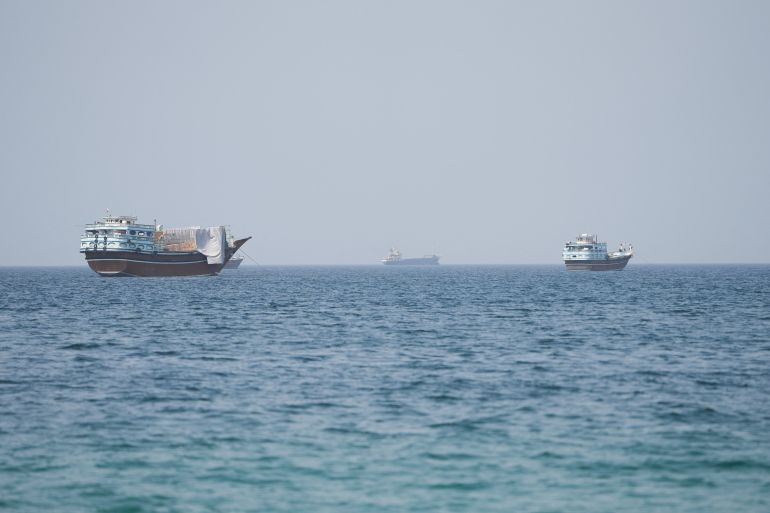
Oil prices are on an upward trajectory as new demands from Iran regarding the reopening of the Strait of Hormuz raise concerns over global energy stability. Brent crude, which serves as the international benchmark, saw an increase of over one percent on Monday. As of 2:30 GMT, October futures for Brent crude were priced at $83.77 a barrel, marking a 16 percent rise since the onset of the conflict between the United States and Israel and Iran. The market is reacting to remarks from Iranian officials, notably the Iranian Minister of Foreign Affairs, Abbas Araghchi, who stated that the critical maritime passage would not be reopened without significant concessions from Washington, including easing sanctions and compensating for damages incurred. Observations from the ship-tracking service MarineTraffic indicate a dramatic decline in shipping activity through the strait, which is crucial for global oil supplies, since the conflict began in February. On August 4, 5, and 6, only between eight and 15 vessels managed to traverse this key waterway, a stark contrast to the approximately 130 vessels that used to cross before the hostilities erupted. The Iranian government has made it clear it intends to enforce control over shipping in this vital region, despite international maritime law advocating for freedom of navigation. Tehran has also threatened to target commercial vessels that do not adhere to its regulations. Recently, the United Arab Emirates condemned Iran following an alleged missile strike on a vessel owned by the Abu Dhabi National Oil Company. The International Maritime Organization has reported at least 64 violent incidents and 17 fatalities involving commercial shipping since the conflict began, with most attacks attributed to Iranian forces. Despite significant volatility in energy markets, Asian stock indices posted gains on Monday. The Nikkei 225 in Japan increased by 2.1 percent, while South Korea’s Kospi and Hong Kong’s Hang Seng Index rose by 0.7 percent and 0.6 percent, respectively. Tim Waterer, chief market analyst at KCM Trade in Sydney, noted the ongoing apprehension among traders regarding the potential for a resolution. He stated, 'Each day without progress is causing traders to exercise more caution.' Waterer further expressed doubt about the speed at which a viable agreement could be reached, emphasising the historical volatility of such deals. 'Even if an agreement is eventually announced, history suggests these understandings can prove fragile,' he added, suggesting that the possibility of a diplomatic breakthrough might not significantly lower oil prices due to the inherent risks involved.

Election Commission Responds to Allegations of Internal Disputes

Nine Dead in Bus Fire on Yamuna Expressway, Greater Noida
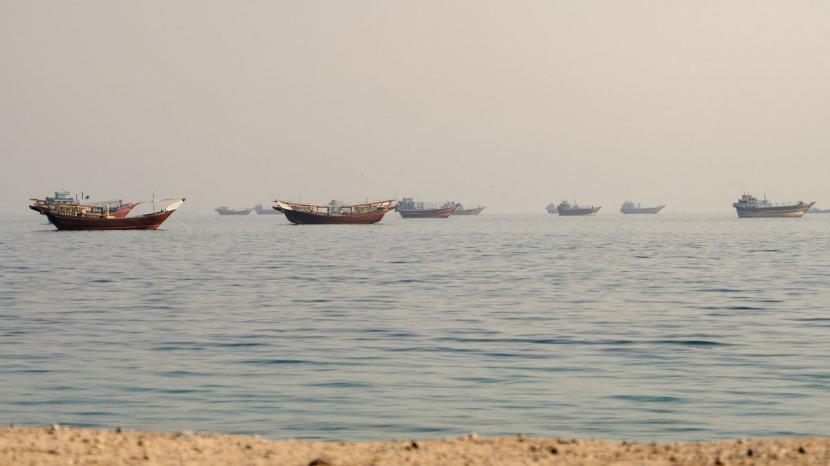
Indian Seafarer Killed in Missile Attack on Merchant Vessel Near Oman

Kerala Chief Minister Faces Corruption Allegations Over Flight Funding