North Dakota Limits Insulin Costs for Diabetes Patients



North Dakota has introduced legislation to cap monthly insulin costs at $25, in a significant move aimed at alleviating the financial burden for diabetes patients. This decision comes as the state joins a growing number of jurisdictions focused on curbing soaring insulin prices, which have placed tremendous strain on families nationwide.
The Kritzberger family, who have farmed in the Red River Valley for over a century, know all too well the struggles associated with high medical expenses. Ang Kritzberger highlighted the family's ongoing battle with debt, as they strive to manage the financial implications of their daughter Nina’s Type 1 diabetes.
"For the past 10 years, we have worried not only about farm operations but also about the increasing costs of medical care," Ang Kritzberger said. Despite having health insurance, the family spends approximately $8,000 each year on medical care. This situation is not unique, as many Americans with diabetes face similar challenges, often resorting to rationing insulin, which can have grave consequences.
A bipartisan movement is gaining momentum across the United States to limit insulin costs, with North Dakota's legislation being an emblematic example. North Dakota State Senator Sean Cleary, a Republican, co-sponsored the cap, citing a rare consensus that the existing market was failing patients.
"There was broad-enough agreement that this market just wasn’t functioning for folks," he explained. The legislation aims to protect patients from exorbitant out-of-pocket expenses, ensuring they are not compelled to pay thousands before their insurance coverage begins.
North Dakota is one of 29 states to enact similar measures. Advocates for diabetes patients, including the American Diabetes Association, have pushed for such caps in response to increasing insulin prices. Recent federal data revealed that the average out-of-pocket cost for insulin rose to $470 per year in 2018, a figure that has since dropped to approximately $220 in 2025 as pharmaceutical companies responded to public pressure.
For families like the Kritzbergers, the new cap offers a sense of security against future price surges. Nina Kritzberger, now 17, detailed her daily anxieties associated with managing her diabetes. "A missed dose of insulin could land me in the hospital," she stated, emphasising the life-threatening consequences of inadequate medication.
Efforts to cap insulin prices have gained traction over the past few years, beginning with Colorado, which in 2019 became the first state to limit copays. Federal initiatives were also introduced, including a cap of $35 per month for Medicare beneficiaries, though attempts to extend this to individuals with private insurance faltered amid bipartisan disagreements.
In North Dakota, State Representative Tim Mathern led efforts to create the insulin copay cap for state-regulated health plans. Although Mathern faced challenges due to his minority status in the predominantly Republican Senate, he continued to advocate for change, underscoring the growing frustration with rising drug prices and the burden they place on families.
Despite pushback from health insurers and skepticism regarding increased premiums, advocates made their case effectively, demonstrating that previous caps had minimal impact on insurance costs. Many legislators, regardless of party affiliation, expressed disillusionment with pharmaceutical companies and health insurers. Senator Cleary posed a critical question: "Why are folks paying hundreds of dollars a month for a drug that’s been commercially available for decades?"
As the conversation surrounding medication pricing continues to evolve, North Dakota's actions may serve as a model for other states grappling with similar healthcare issues. Families like the Kritzbergers remain hopeful that such measures will lead to more substantial changes in the healthcare landscape, alleviating the financial and emotional stress associated with managing chronic illnesses.

India Extends Ban on Zakir Naik's Islamic Research Foundation
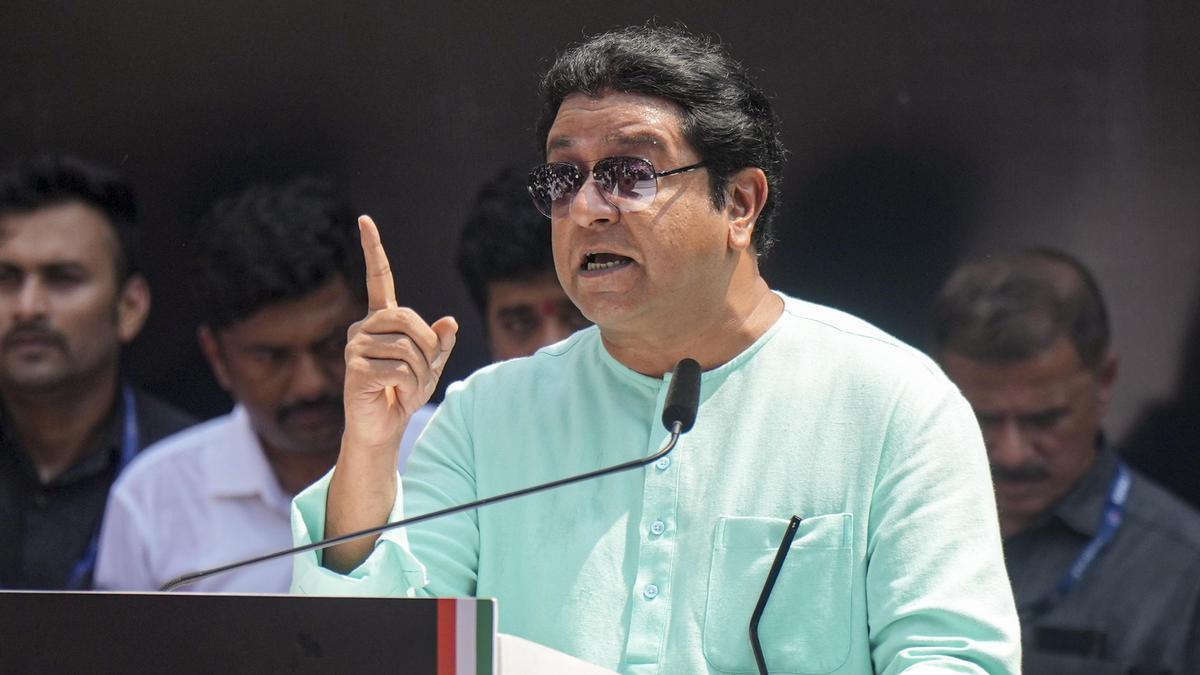
BJP's Manoj Tiwari Responds to Raj Thackeray’s Chhath Festival Claims

Prime Minister Modi's Bengaluru Visit Features Metro Inauguration

Netanyahu Considers Military Action Against Iran amid Political Uncertainty