India Extends Ban on Zakir Naik's Islamic Research Foundation



The Indian Union government has officially announced the extension of the ban on Islamic preacher Zakir Naik's organisation, the Islamic Research Foundation, for an additional five years. This decision was made on Friday, reaffirming the government's stance regarding the activities of the organisation.
The Islamic Research Foundation was initially classified as an 'unlawful association' in November 2016 under the Unlawful Activities Prevention Act. The earlier ban was set to expire on 30 September 2023 but has now been extended following a review of the foundation's ongoing activities.
Zakir Naik, who currently resides in Malaysia, came under scrutiny following allegations that he inspired one of the attackers involved in the Dhaka restaurant incident in July 2016, where innocent lives were lost. Naik has consistently denied these claims. After the attack, he left India, and his activities are being investigated by the National Investigation Agency.
The government cited several reasons for the prolonged ban, including assertions that the Islamic Research Foundation was engaging in actions detrimental to national security. The Ministry of Home Affairs highlighted concerns that the organisation had the potential to disrupt communal harmony and disturb the secular fabric of Indian society.
According to the ministry's notification, statements and speeches delivered by Naik were described as 'objectionable and subversive', suggesting that they encouraged individuals of a particular religion to engage in acts of terrorism. The ministry's communication stated, 'If the unlawful activities of Naik’s organisation are not controlled, it will continue its subversive activities and re-organise its activists who are still absconding.'
Furthermore, the ministry warned that the Islamic Research Foundation could use this opportunity to incite communal discord and propagate anti-national sentiments, potentially escalating secessionism by supporting militancy.
This decision marks a continuation of the Indian government's firm approach towards organisations perceived as a threat to national integrity and peace. The implications of this extended ban will be closely monitored by various stakeholders both within India and on the international stage.
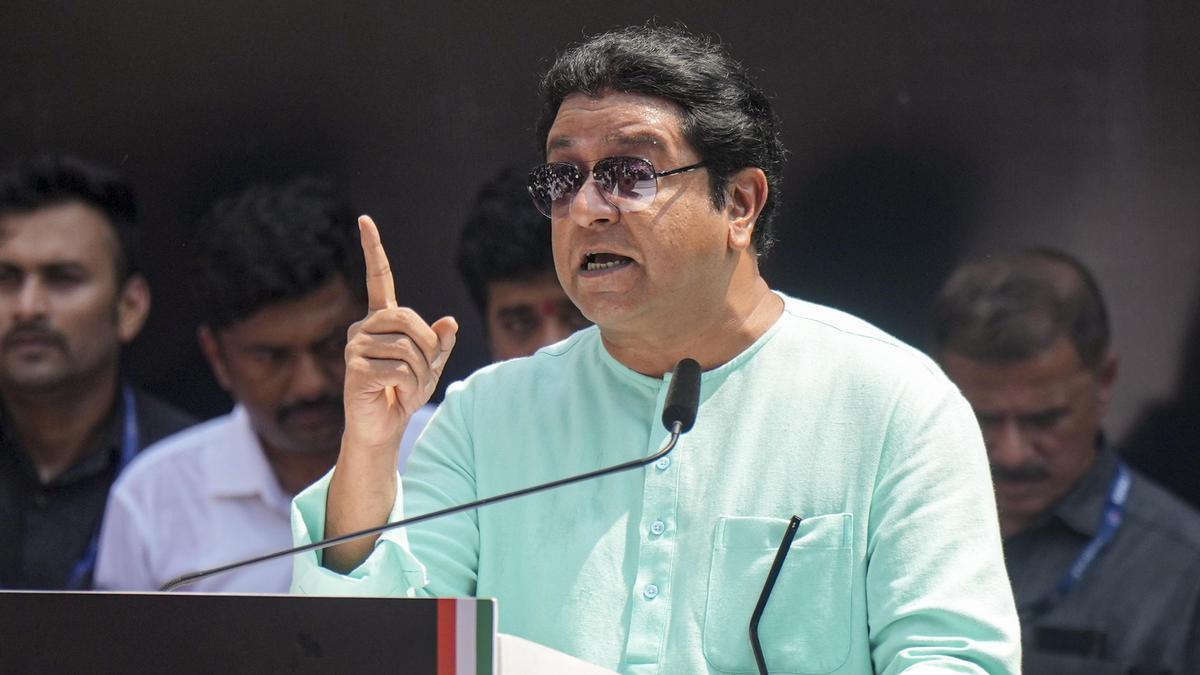
BJP's Manoj Tiwari Responds to Raj Thackeray’s Chhath Festival Claims
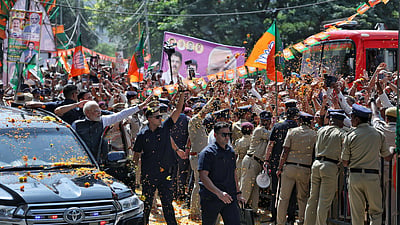
Prime Minister Modi's Bengaluru Visit Features Metro Inauguration
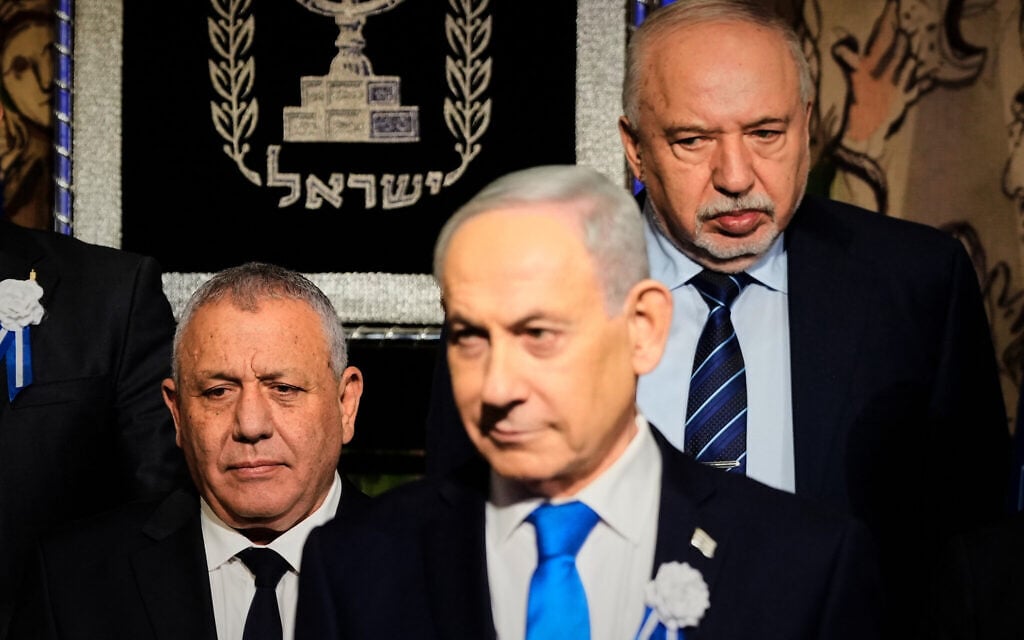
Netanyahu Considers Military Action Against Iran amid Political Uncertainty
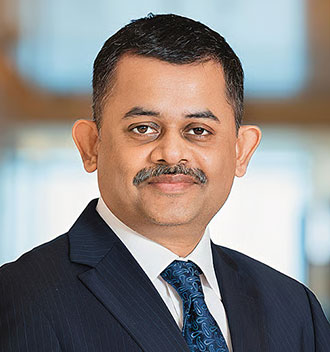
World Bank's Neelkanth Mishra Discusses India's Economic Changes