Netanyahu Considers Military Action Against Iran amid Political Uncertainty


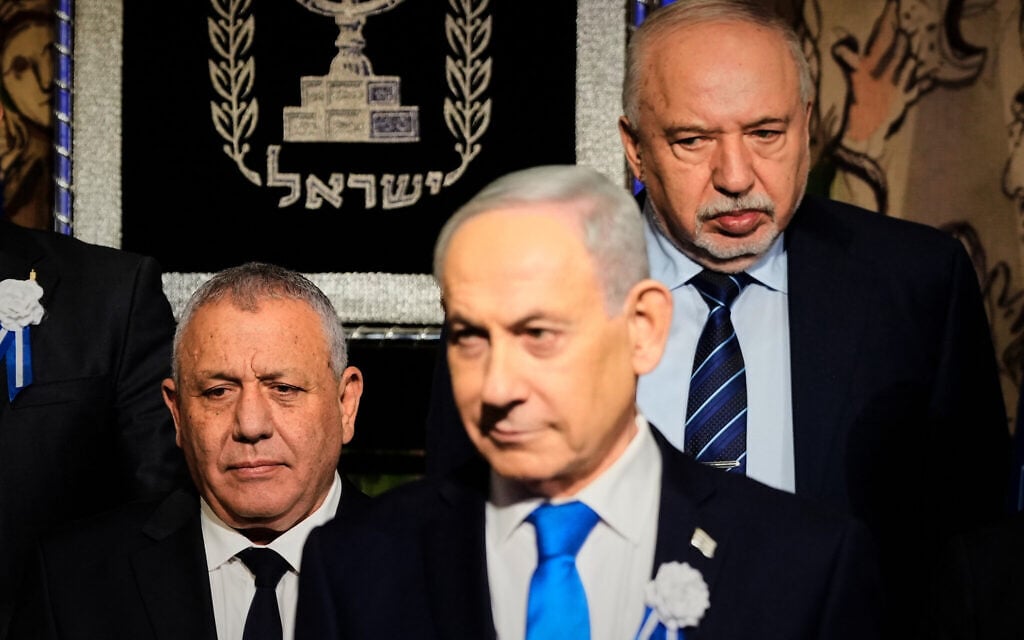
Israeli Prime Minister Benjamin Netanyahu's government, currently in a caretaker role following its loss of parliamentary majority in the recent elections, may have the authority to initiate military action against Iran. Although the interim government retains the same legal powers as a regular administration, concerns exist about further inflaming domestic divisions, especially with the opposition struggling to form a coalition.
Under Article 30 of Israel’s Basic Law, a caretaker government continues to perform its duties until a new government is established. However, the nation’s Supreme Court has previously stated that an outgoing government should avoid making irreversible decisions unless they are deemed urgent—this principle is referred to as the “duty of restraint.”
Despite Israel's current political instability, reports suggest that Netanyahu is contemplating new military initiatives concerning Iran, in part due to pressure from security personnel within his government. Neve Gordon, a professor of international law at Queen Mary University in London, indicated that Netanyahu could argue such actions are necessary from a security standpoint.
According to Asher, a researcher from the Tachlith Institute in Tel Aviv, various security issues may constitute exceptions to the duty of restraint upheld by caretaker governments. He noted that the Supreme Court has generally not intervened in decisions pertaining to military actions, especially during transitional periods when parliamentary oversight is lacking.
Ehab Jabareen, a Palestinian analyst, expressed concerns regarding the political ramifications of Netanyahu’s potential plans. He highlighted that any military decision could carry long-lasting consequences that might extend beyond the current government.
Recent reports from Israeli media state that the security cabinet led by Netanyahu has instructed the military to increase preparations for a possible attack on Iran. This directive follows a pattern of Netanyahu contacting US President Donald Trump to advocate for renewed military actions against Iran.
However, recent statements from US military officials seem to clash with these developments, as they suggested that plans for military confrontation have not been confirmed, labelling the media reports as speculative. Israel’s military is reportedly assessing that there is no immediate necessity for an offensive against Iran.
The political landscape adds complexity, with opposition leaders urging caution and demanding that any military action should involve comprehensive parliamentary oversight. Avigdor Lieberman, leader of the Yisrael Beytenu party, stated that the caretaker government should refrain from making decisions that could thrust Israel into conflict without adequate checks and balances.
Gadi Eisenkot, opposition leader currently tasked with forming a new government, echoed this sentiment, advocating against deploying forces unless there is a clear, immediate threat. Netanyahu, however, has asserted that security considerations alone guide governmental decisions.
The population remains divided, with supporters of Netanyahu likely favourable to military action while critics view it as a means to bolster his politically weakened position. Political analysts suggest that any military engagement may initially unify citizens, but public sentiment could shift rapidly should the conflict persist without clear benefits.
Other experts highlighted that the effectiveness of any potential military campaign against Iran may hinge not only on domestic support but also on Israel’s relations with the United States. The US appears to favour tightening economic sanctions on Iran rather than pursuing military interventions, leaving Netanyahu in a precarious position.
Anders Persson, a political scientist focused on Israeli-Palestinian relations, remarked that Netanyahu's best chance for a successful military campaign could come through collaboration with the US. However, if US support continues to wane, public acceptance of any aggressive actions may diminish.
Therefore, the debate surrounding possible military action against Iran will likely revolve around its timing and necessity, especially given that casting such decisions in a light of urgency could become increasingly challenging if US and Israeli commanders express reservations about engaging in conflict.

India Extends Ban on Zakir Naik's Islamic Research Foundation
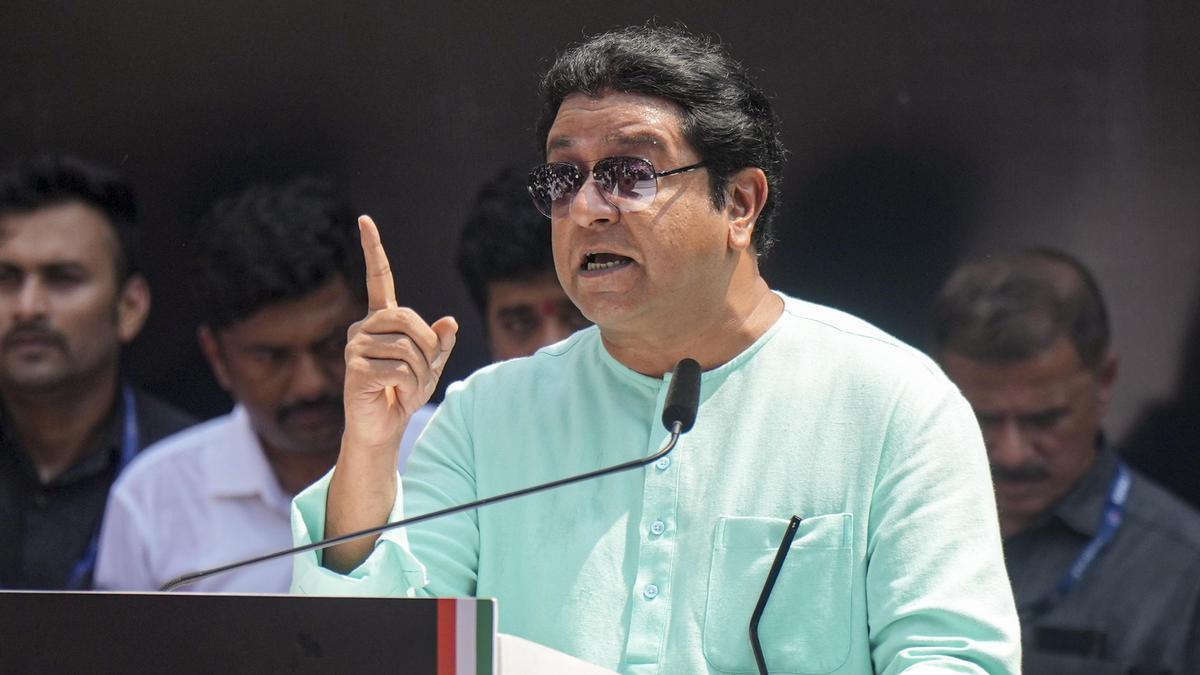
BJP's Manoj Tiwari Responds to Raj Thackeray’s Chhath Festival Claims

Prime Minister Modi's Bengaluru Visit Features Metro Inauguration

World Bank's Neelkanth Mishra Discusses India's Economic Changes