Nora Fatehi Responds to Backlash Over Sarke Chunar Controversy


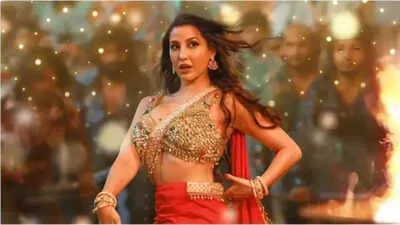
Nora Fatehi has publicly addressed the recent backlash regarding the controversial song 'Sarke Chunar' from the Hindi film 'KD: The Devil.' The song has faced significant criticism due to alleged vulgar lyrics and visuals, leading to inquiries from both the Haryana and Karnataka Women Commissions, who have called for actions from the Central Board of Film Certification.
The song's Hindi version has been particularly scrutinised, prompting its removal from YouTube following public uproar. In her remarks made in March 2026, Nora expressed her concerns, revealing that she had filmed the song three years prior and had not been aware of the lyrics used in the Hindi adaptation. 'I shot the song three years ago, and I agreed to participate because I would be sharing the screen with the legendary Sanjay Dutt,' she stated.
Fatehi claimed she was initially unaware of the original Kannada version's content, having understood from the film's producers that it was a remake of a classic piece. However, she raised concerns over certain creative choices, particularly the images presented alongside the lyrics, which she felt were unflattering and made without her approval.
Once she heard the Hindi version, she alerted the film's director, Prem, about possible controversies it might provoke. 'When I heard the Hindi version, I warned the director that this could get controversial. I even disassociated myself with the project by not promoting the song,' she explained.
In further comments, Fatehi expressed her disappointment with the use of an artificial intelligence-generated image in promotional materials, stating, 'I am completely against AI.' She acknowledged the backlash she received as constructive feedback that would inform her future decisions in her career.
The controversy surrounding 'Sarke Chunar' has raised broader discussions about the portrayal of women in Indian cinema, leading to calls for more responsible content creation. Nora Fatehi's response highlights a growing awareness among artists regarding the implications of their work and its reception by audiences.
Fatehi's experience serves as a reminder of the complexities involved in the entertainment industry, where creative decisions often intersect with public sentiment and cultural values. As conversations about representation and appropriateness continue to evolve, artists are increasingly cognisant of their roles in shaping the narratives presented on screen.

US Space Force confirms weapons deployed in space orbit

Maruti Suzuki Exports One Lakh Units of Jimny and Fronx to Japan
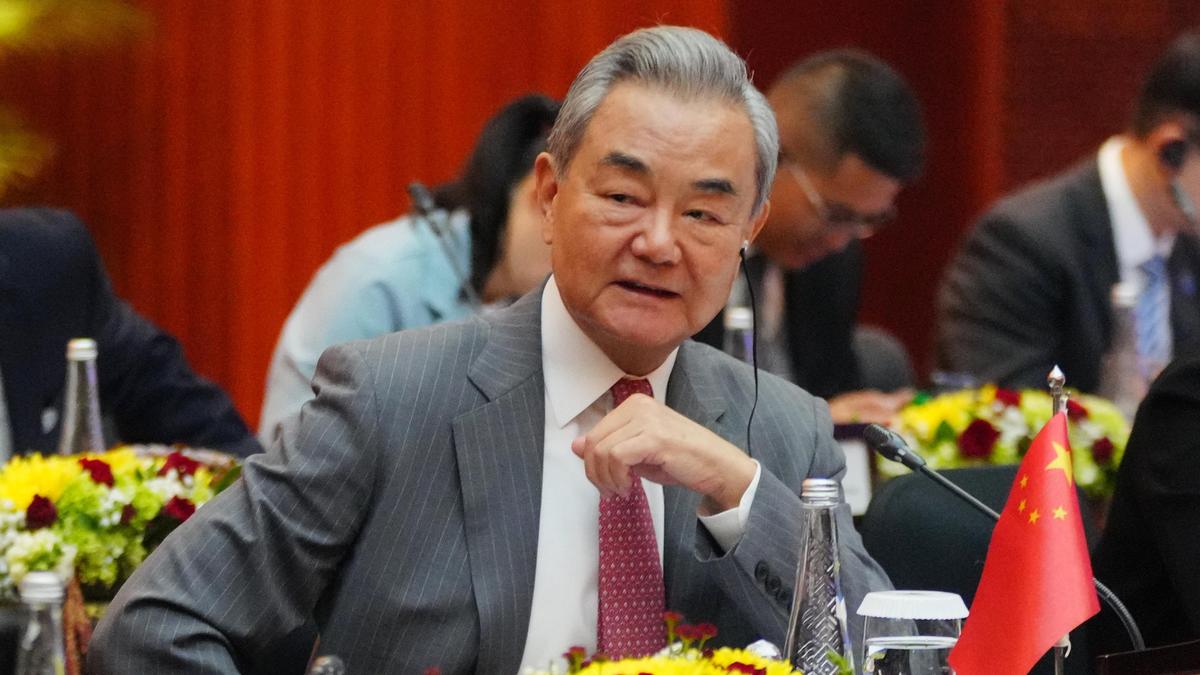
China's Foreign Minister Urges Strengthening International Ties

BJP Maintains Position Despite Strong Performance by Independents in Rajasthan