Major Cities Achieve Economic Growth Without Increased Pollution


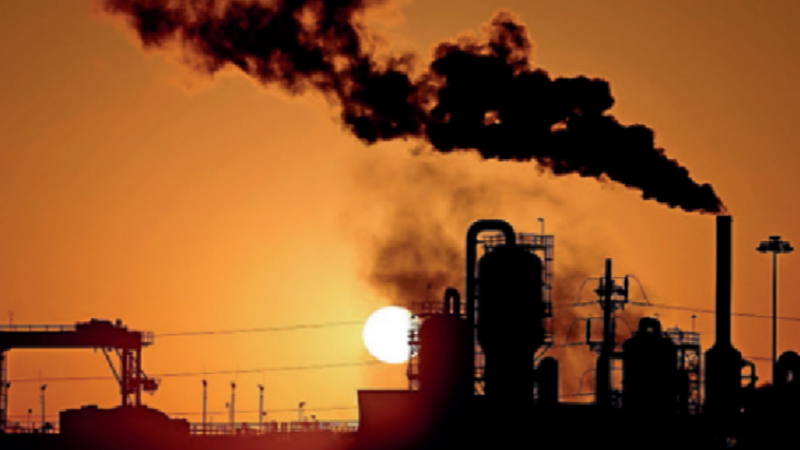
A study from the Norwegian Institute for Air Research and Aalto University in Finland reveals that 80% of the world's largest cities have successfully expanded their economies without proportional increases in air pollution. The analysis considered over 5,400 urban areas, each with populations exceeding 100,000, examining how their economic growth correlated with levels of nitrogen dioxide—an air pollutant largely produced by the combustion of fossil fuels such as oil, gas, and coal.
The researchers employed data gathered from the European Sentinel-5P satellite, which has provided daily measurements of nitrogen dioxide concentrations from 2019 to 2024. This innovative method allowed the team to assess atmospheric pollution and its relationship to urban economic development.
Their findings categorised cities into four distinct groups based on their economic and pollution indicators. The first category, termed 'green' cities, represents urban areas where both economic growth and declining nitrogen dioxide levels were observed. Cities such as Beijing, Shanghai, and Amsterdam have demonstrated this trend, driven by enhanced public transport systems and stricter environmental regulations.
The second category, 'brown' cities, is characterised by rising economic activity linked to increased fossil fuel use. Many cities in India, Iran, and Central Asia fall into this category, with rising pollution correlating with industrial expansion and heavy motor vehicle traffic.
In contrast, 'gray' cities saw decreases in pollution levels alongside economic downturns, indicating a negative correlation between economic performance and environmental health. Cities such as Jerusalem and Beirut exemplify this trend.
Lastly, the 'red' group encompasses cities experiencing both economic decline and increases in pollution, a concerning combination found in places like Benghazi and Urmia.
A total of 16% of cities fell into the 'brown' category, while only 4% were classified as 'gray.' The 'red' category, representing the areas facing simultaneous growth in pollution and economic issues, is particularly alarming for urban planning and public health considerations.
The study emphasised that while nitrogen dioxide serves as a key indicator, it does not replace the need for direct measurements of carbon dioxide emissions. Furthermore, the study acknowledges the overlaps with the COVID-19 pandemic, which may have influenced short-term pollution trends. To validate their findings, the researchers compared satellite data with fossil fuel consumption statistics and ground-based emissions assessments, confirming that the satellite effectively tracks changes in pollution levels, albeit with some discrepancies in absolute measurements.
The implications of this study are profound, encouraging city planners and policymakers to adopt more sustainable practices that can foster economic growth while simultaneously reducing pollution. As urbanisation continues to expand, the strategies employed by these successful 'green' cities must serve as models for others aiming to achieve similar balance between economy and environment.

Election Commission Extends Deadlines for Andhra Pradesh and Meghalaya

INDIA Bloc Announces Nationwide Campaign Against Chief Election Commissioner

Gujarat Authorities Seize ₹3,000 Crore Worth of Drugs at Sea

Modi and Trump Discuss Bilateral Cooperation in Key Sectors