Kerala Renamed ‘Keralam’ as PM Modi Praises Move in Kochi


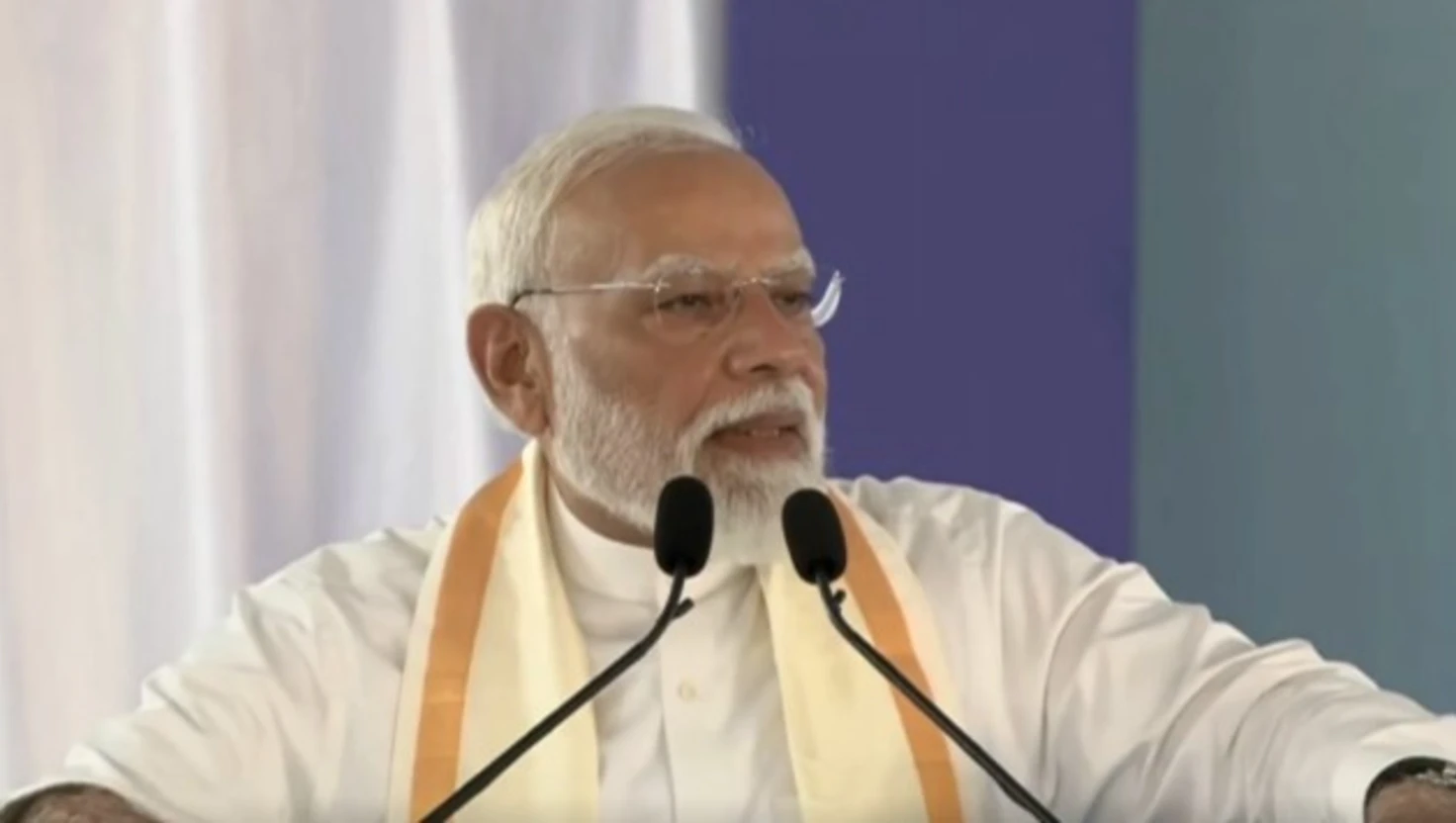
Prime Minister Narendra Modi on Wednesday praised the decision to adopt the name “Keralam” for the southern Indian state of Kerala while speaking at a National Democratic Alliance (NDA) event in the city of Kochi.
The meeting, titled “Vikasit Keralam with Modi”, brought together leaders and supporters of the ruling alliance led nationally by Modi’s Bharatiya Janata Party.
During his address, the Prime Minister said the name change was an important step that reflected the cultural and linguistic identity of the region.
He expressed satisfaction over the decision, noting that the state has several advantages that could help drive economic growth and tourism.
Modi said the region’s geography, climate and growing technological sector offered strong opportunities for development, particularly in industries linked to travel, conferences and talent.
“Keralam has many advantages including geography, climate and technology,” he said, adding that the state has the potential to become a leading destination for weddings and international conferences.
Focus on tourism, technology and talent
The Prime Minister emphasised that economic opportunities in tourism, technology and skilled labour could play a major role in the state’s future development.
He said greater investment and infrastructure could allow the region to attract global events and strengthen its position in India’s expanding tourism sector.
Modi also linked the development agenda to broader national priorities, including energy independence and sustainability.
Referring to global geopolitical tensions affecting energy markets, he said the situation highlighted the importance of India becoming more self-reliant in key sectors.
He noted that expanding solar energy projects and promoting electric vehicles were part of a wider strategy aimed at reducing dependence on imported energy resources.
The Prime Minister also said the government was closely monitoring developments in West Asia and would continue efforts to ensure the safety of Indian citizens living or working in the region.
Political criticism during the speech
Alongside his development agenda, Modi also criticised Kerala’s two main political alliances, the Left Democratic Front and the United Democratic Front.
The Left Democratic Front is led by the Communist Party of India (Marxist), while the United Democratic Front is led by the Indian National Congress.
Modi accused both alliances of obstructing development in the state despite their political rivalry.
He alleged that the two blocs were effectively cooperating in practices he described as corruption, although both groups publicly oppose each other in elections.
The Prime Minister also highlighted recent electoral support received by the National Democratic Alliance in parts of the state, including the cities of Thrissur and Thiruvananthapuram as well as several local administrative areas known as panchayats.
“A double-engine government will provide double development,” Modi said, referring to the political concept in India where the same party or alliance governs both at the federal and state levels.
Political tensions during the visit
Modi’s visit to Kerala also coincided with a dispute between the federal government and the state’s ruling administration led by Chief Minister Pinarayi Vijayan.
Several senior state ministers did not attend an event organised to mark the inauguration of infrastructure projects worth about 108 billion rupees (around 1.3 billion US dollars).
According to state officials, the boycott was organised to protest the exclusion of Kerala’s Public Works Minister, P. A. Mohammed Riyas, from the programme.
The projects launched by the Prime Minister included upgraded sections of National Highway 66, a major road corridor that runs along India’s western coastline.
Leaders from the Communist Party of India (Marxist), which heads the state government, criticised the event’s organisation and described the omission of the public works minister as disrespectful to the state administration.
M. B. Rajesh, Kerala’s Minister for Local Self Government, said the decision not to invite the minister responsible for the project amounted to an insult to the state.
In response, Bharatiya Janata Party leader Rajeev Chandrasekhar said the controversy was politically motivated.
He argued that official protocol does not require all state ministers to be invited to federal government events.
Political context
The developments come amid increasing political competition in Kerala, a state where the Bharatiya Janata Party has historically struggled to gain electoral ground.
Kerala’s politics has long been dominated by two major alliances: the Left Democratic Front, led by the Communist Party of India (Marxist), and the United Democratic Front led by the Congress party.
The National Democratic Alliance has been seeking to expand its influence in the region, highlighting development projects and national programmes as part of its strategy.
The debate over the name “Keralam” also reflects broader discussions about language and identity in the state. “Keralam” is the name used for the state in the Malayalam language, which is spoken by the majority of its population.
Supporters of the change say the use of the local-language form better reflects the region’s cultural heritage, while critics argue that the issue has become intertwined with national political debates.
Modi’s visit and the surrounding political reactions illustrate the continuing tensions between India’s federal government and state administrations, particularly in regions governed by opposition parties.
India to Supply Nepal with Daily Electricity After Flood Damage

US Space Force confirms weapons deployed in space orbit

Maruti Suzuki Exports One Lakh Units of Jimny and Fronx to Japan
China's Foreign Minister Urges Strengthening International Ties
