Jet Fuel Shortage Threatens European Flights Amid Iran Tensions


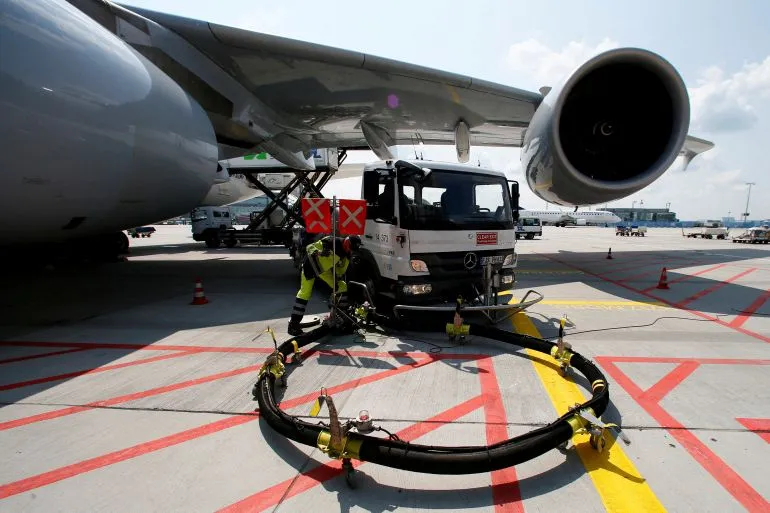
Europe is grappling with a significant jet fuel shortage attributed to escalating tensions surrounding the Strait of Hormuz. This crisis emerges just as the summer travel season approaches, exacerbating challenges for airlines across the continent. Seven weeks into the conflict stemming from the US-Israel military actions against Iran, air traffic in the region is gradually normalising after extensive flight cancellations and rerouting. However, transport experts now warn that the critical deficit in jet fuel may severely disrupt European aviation. Fatih Birol, head of the International Energy Agency (IEA), indicated in a recent interview with the Associated Press that the continent may only have six weeks' worth of jet fuel remaining. He cautioned that if the conflict continues to impede oil supplies, flight cancellations could become imminent. The Strait of Hormuz is a pivotal channel, responsible for the transit of approximately 20% of the world's oil and liquefied natural gas. The war's impact on supply lines has resulted in soaring energy prices, with Brent crude oil rising above $100 per barrel from $66 prior to hostilities. In response to the escalating crisis, governments are utilising strategic oil reserves; the United Kingdom has initiated discussions with over 40 nations, excluding the United States, to seek solutions for reopening this critical shipping route. European aviation relies heavily on fuel imports from the Middle East, with approximately 75% of jet fuel sourced from this region. Such dependency raises alarms about the sustainability of services given the current geopolitical instability, particularly during the peak tourism season, projected to attract 747 million international visitors in 2024. Jet fuel, primarily a kerosene-based product, powers aircraft equipped with gas-turbine engines. It is chiefly produced in regions like China, the Middle East, and the United States, with major oil companies including Shell, ExxonMobil, and Saudi Aramco involved in its refinement. The product is usually stored in bulk facilities located near major airports, distributed either through underground systems or refuelling vehicles. Energy Intelligence reported that worldwide jet fuel consumption reached 7.788 million barrels per day in 2025, with an anticipated increase of 2.6% in 2026. Alarm bells have resonated among European aviation bodies. Last week, the Airports Council International Europe sent a letter to the European Commission warning that ongoing limitations in jet fuel supplies would pose a significant threat to the European economy. Meanwhile, fuel storage depots across Europe are recording diminishing reserves, with alternative supply routes struggling to fully offset losses from the Middle Eastern import shortages. As a result, jet fuel prices hit a record high of $1,800 per ton on March 18, with a slight decline observed in April. Several airports have issued alerts regarding potential fuel shortfalls within three weeks if the Strait of Hormuz remains obstructed. Birol reaffirmed the gravity of the situation, predicting that flight cancellations from various cities across Europe could soon become a reality. Additionally, German airline Lufthansa announced plans to close its regional subsidiary, CityLine, citing soaring jet fuel costs and labour strikes as contributors to significant financial losses within the struggling sector. Grazia Vittadini, Chief Technical Officer of Lufthansa, revealed that the airline's fuel suppliers have begun reassessing their forecasting practices, indicating a reluctance to provide long-term predictions, extending only a month ahead. As European airlines navigate these turbulent conditions, the outcome of the ongoing conflict and its implications for the region's jet fuel supply hang in a precarious balance.

Kerala Initiates Probe into 2006 Suicide Case Involving CEC

Extradition of Sheikh Hasina Feasible, Says Indian High Commissioner

Punjabi Makeup Artist Mad Sandhu Shot Dead in Amritsar

India Achieves Fourth Place at Asian Games 2026 Through Late Success