US Navy Issues Final Warning to Vessels in Iranian Waters


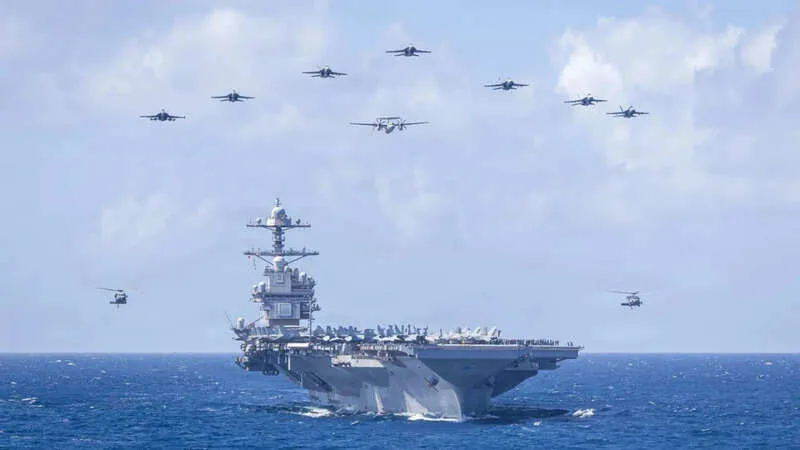
In a heightened state of tension in the Persian Gulf, the United States Navy has issued a strong warning to commercial vessels navigating in and out of Iranian ports. An audio recording made public recently captures the Navy's directive, stating their readiness to use force if necessary. This action is a part of ongoing military operations aimed at enforcing maritime safety and security in the region.
The warning follows a series of confrontations and a blockade imposed by the US in response to perceived threats emanating from Iran. The audio plays a crucial role in conveying the seriousness of the US military’s stance towards maintaining freedom of navigation in these critical waters. The announcement has created a ripple effect among shipping companies and vessels operating in the area, prompting many to reassess their navigation strategies.
The US Navy stated unequivocally, "We will use force if necessary," signalling that all vessels must adhere to the guidelines set forth. This warning not only aims to deter illegal activities but also serves to protect the interests of international shipping in the Persian Gulf.
Iran has yet to respond officially to this latest development. However, tensions between the US and Iranian forces have been escalating in recent months. Observers note that this incident is part of a broader series of hostilities that have characterised US-Iran relations since the US withdrew from the Joint Comprehensive Plan of Action in 2018.
The situation remains fluid, with both sides closely monitoring maritime movements. Experts in international relations suggest that the balance of power in the region is precarious, and the likelihood of further clashes remains high unless a diplomatic resolution is reached.
As maritime traffic continues through the Strait of Hormuz, which is a vital chokepoint for global oil shipments, countries around the world are keenly watching developments. The outcome of these tensions could have significant implications for energy prices and the broader geopolitical landscape. The US has assured its allies of its commitment to ensuring freedom of navigation and maintaining security in international waters, as it navigates this complex diplomatic terrain.
Trump, Putin, and Xi to Meet at APEC Summit in Shenzhen, China

Congress Criticises Adani for Dramatic Cost Cut in Maharashtra Project

Urban Infrastructure Crucial for India's Manufacturing Growth

India Extends Ban on Zakir Naik's Islamic Research Foundation