Israeli Election Exit Polls Indicate Stalemate Among Parties


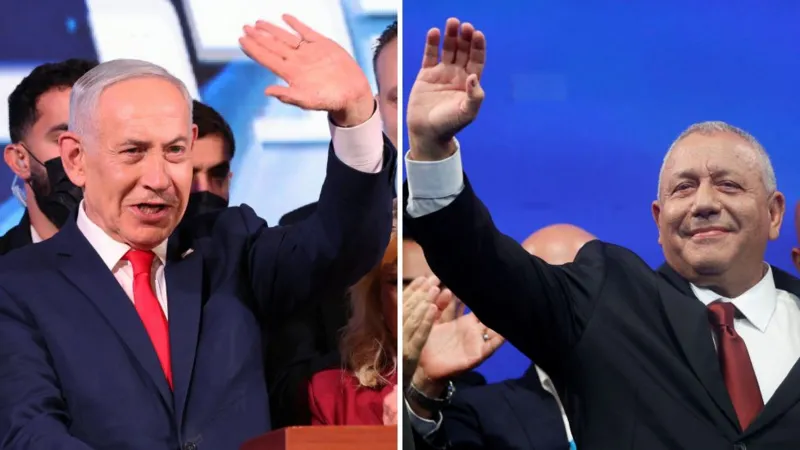
Initial exit polls from Israel's recent general election indicate no party is likely to secure an outright majority in the Knesset, the Israeli parliament. Veteran Prime Minister Benjamin Netanyahu and former military chief Gadi Eisenkot have both fallen short of a decisive victory, according to projections from two major Israeli broadcasters.
Both Eisenkot's Yashar party and Netanyahu's Likud party, along with other allies, were anticipated to capture equal numbers of seats, approximately 51 each in the 120-seat legislature. A third broadcaster suggested Netanyahu’s coalition might lead by three seats.
The shift in political power dynamics is significantly influenced by the projected performance of the two Arab parties, which may earn a record 18 or 19 seats. High voter turnout was reported at 77.7% by the Central Elections Committee, marking the highest participation rate for a similar time frame since 1999.
Final official results will begin to emerge overnight, although the counting of around 600,000 absentee ballots, primarily from military personnel, will extend into Thursday. Following the announcement of final results, Israel's president will initiate consultations with political factions to determine which party leader is best positioned to form a governing coalition, a process which could take several weeks. In the absence of a successful coalition formation, Israel could face another election.
At Eisenkot's campaign headquarters in Tel Aviv, supporters celebrated early projections with chants calling for Netanyahu's departure. Eisenkot stated they had "made history" and aimed to facilitate a government that represents all citizens. Yair Lapid, leader of the Beyachad party and an ally of Eisenkot, remarked on the setback faced by Netanyahu's coalition, calling it a "crushing defeat".
Meanwhile, supporters at Likud’s headquarters remained anxious, with one stating, "It’s not over until it’s over, but I’m sweating." Acknowledging the tight competition, Foreign Minister Gideon Saar cautioned against premature celebrations on the left.
The election was notably the first following the recent Hamas-led attacks and subsequent conflicts in Gaza, Lebanon, and Iran. It is deemed one of the most significant elections in Israel's history, with critical issues at play around security accountability, military service burdens, judicial reforms, and Israel's international relations.
The Arab parties are poised to emerge as significant players, possibly acting as kingmakers in these coalition negotiations. United Arab List leader Mansour Abbas expressed hope that cooperation could yield a total of 61 seats in support of the Change Bloc.
This election follows a nationwide emphasis on voting, amid warnings from Netanyahu and other right-wing allies about the risks associated with a rising left-wing and Arab voter turnout. Netanyahu urged supporters to vote, asserting that failure to do so could lead to a government formed predominantly by leftist parties and Arab factions. However, the Central Elections Committee dismissed calls for extended voting hours, affirming that the high turnout illustrated robust public engagement in the electoral process.
Drone Strike in Sudan's Nyala Market Results in Over 100 Casualties

UAE Awards Indian Pilot Smit Machchhar for Courageous Actions

CID Star Shivaji Satam Remembers Producer BP Singh Following His Death

Marine Le Pen Launches Presidential Campaign Amid Protests