Israel Prepares for Crucial Election Amid Political Divide


Israel is bracing for a significant general election on Tuesday, shaped by intense political divides and various pressing issues. Following a tumultuous three years marked by conflict, the upcoming vote is viewed as a crucial moment for the nation, with the governing coalition and the main opposition bloc nearly tied in the polls.
Approximately half a million voters will be participating for the first time, and reports indicate around 70,000 Israelis are travelling back from abroad specifically to cast their votes. In a powerful show of opposition sentiment, large crowds gathered in central Tel Aviv on Saturday night, calling for a change in government. A 21-year-old voter named Omri expressed optimism, stating, "I want peace, I want security, and I want to end corruption and get the religious fanatics out."
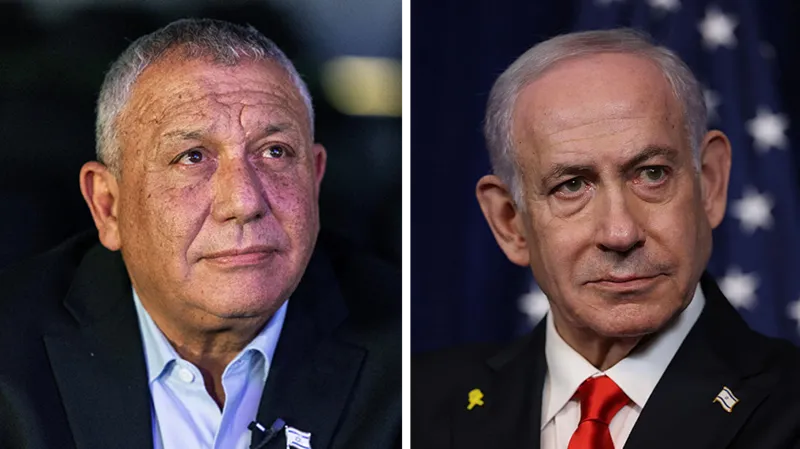
The election campaign has introduced innovative strategies, including the use of artificial intelligence-generated videos, and features a prominent new contender: Gadi Eisenkot. A former military chief of staff and relatively new to the political scene, Eisenkot is perceived as a calm, low-key alternative to Benjamin Netanyahu, who has led the country for a significant period.
Eisenkot, who is known for his approachable demeanour and military background, represents the centrist Yashar party and has consistently led in polls against Netanyahu and his Likud party. Israeli elections often hinge on coalition-building, complicating predictions about the outcome. Despite uncertainties, Eisenkot's growing popularity adds tension to the race, which many consider pivotal for Israel's future.
During a recent visit to a community centre in Ramle, Eisenkot engaged with voters and emphasised the importance of the election. He stated, "These elections are about many issues, but primarily, they are about the identity of the State of Israel, and what kind of Israel we want to see—A Jewish state, a democratic state, a liberal, tolerant, egalitarian state."
Concerns regarding Netanyahu's governance have been voiced by opposition leaders, who argue that his actions threaten Israel's democratic fabric. Key issues include his attempts to limit the judiciary's power and his refusal to establish a commission of inquiry into the 7 October attacks, which claimed nearly 1,200 lives.
Eisenkot and other opposition figures have sought to attract voters from Netanyahu's Likud party through promises of a state inquiry that is reportedly supported by over 70% of Jewish Israelis. Additionally, he has pledged to ensure compliance with military service requirements for ultra-Orthodox Jews, resonating with both right-wing voters and the opposition.
In response, Netanyahu's campaign has firmly centred on security issues, with his slogan “No Surrender.” He positions his rivals as weak on security risks, suggesting that partnerships with Arab parties could jeopardise national safety. Approximately one-fifth of Israel's populace consists of Arab citizens, many identifying as Palestinian.
These elections are the first since the deadly attacks on 7 October, when Hamas militants infiltrated Gaza and caused widespread casualties. Netanyahu frames himself as the only leader capable of preserving national security, despite criticism of his leadership during that crisis.
Supporters of Netanyahu, like Shlomi Bashar in Jerusalem, assert that his experience is essential for national security. "In my opinion, he is one of the best leaders in the world. Most of the world loves him because he is a strong man and his ideas are correct," Shlomi remarked.
While Netanyahu has historically depended on a reliable base of right-wing support, projections suggest a potential decline in backing this election. Some voters are shifting towards opposition parties, while others may be drawn to even more extreme right factions due to the events following 7 October.
Lieutenant Colonel (Reserves) Eyal Hajbi from Sderot, a region close to Gaza, reflected on the impact of the attacks on his voting choices. He commemorates friends lost in the conflict daily and plans to honour their memory when he casts his vote on Tuesday. The political landscape remains fraught, and the outcome of this election could shape the trajectory of Israel’s future significantly.

Hyundai Bayon SUV Launches in India: Key Features and Specs
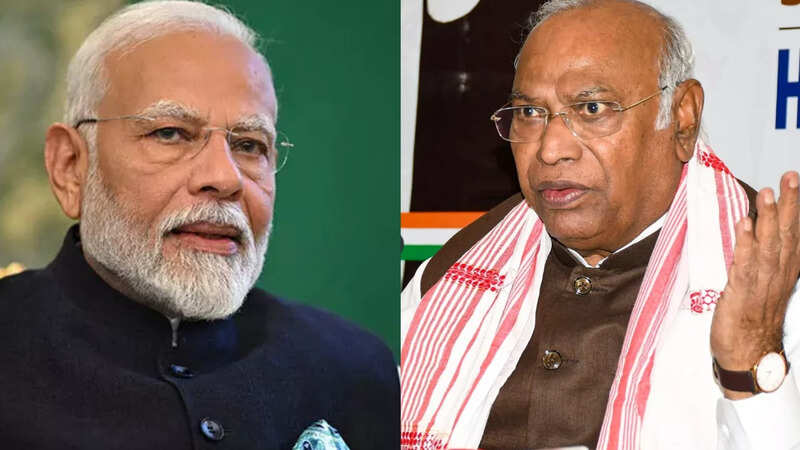
BJP Files Complaint Against Kharge Over Controversial Remark
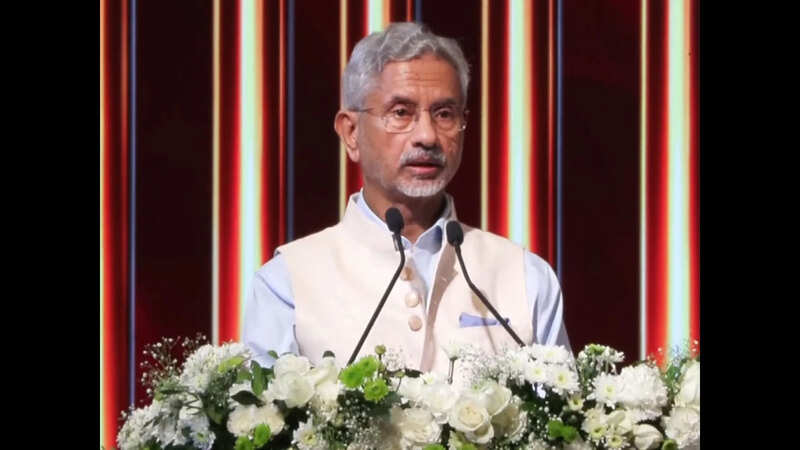
India Advocates Dialogue for Conflict Resolution on Global Stage
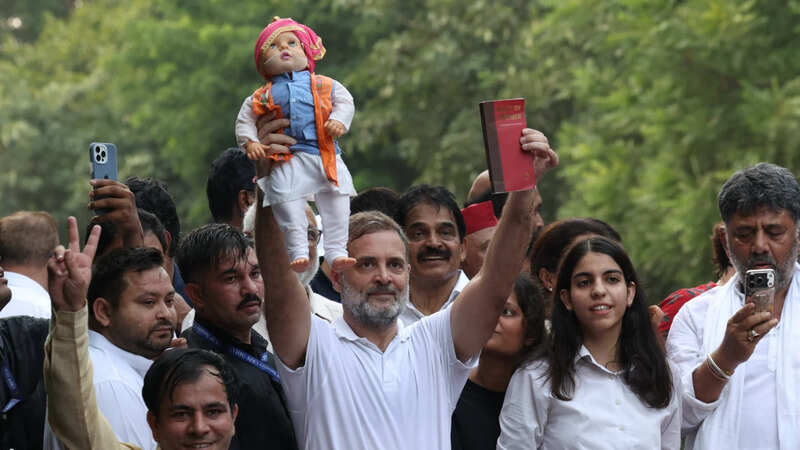
Rahul Gandhi Critiques BJP Ahead of Delhi Rally on November 1