India Advocates Dialogue for Conflict Resolution on Global Stage


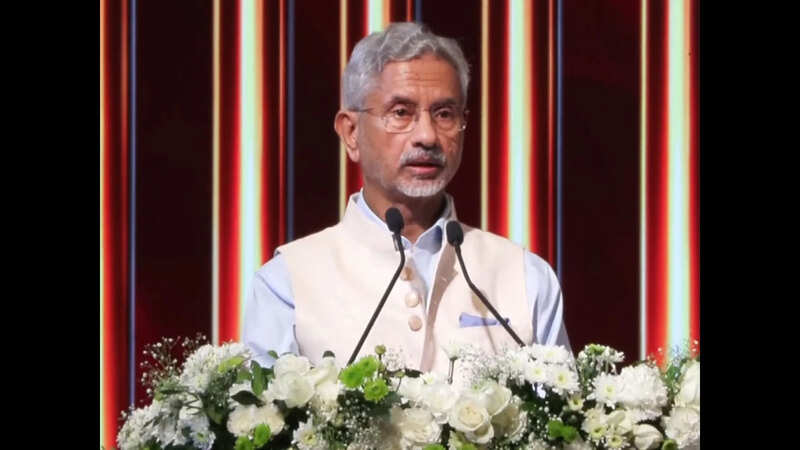
Indian External Affairs Minister Dr S. Jaishankar has articulated that India's stance on global conflicts reflects a widespread sentiment, insisting that dialogue and diplomacy remain the only viable solutions. In his address at the Chinmaya Amrit Mahotsav Global Sammelan in New Delhi, Dr Jaishankar stressed the importance of collaboration with other nations to foster peace. He highlighted ongoing conflicts, notably in Ukraine and West Asia, pointing out that these disputes have repercussions for societies and economies worldwide, many of which play little role in the conflicts yet bear significant costs.
Dr Jaishankar also addressed the persistent and concerning issue of terrorism, labelling it a direct threat to peace. He remarked that the use of terrorism as a method of statecraft is wholly unacceptable, stating, "It can never be justified and can never be rationalized." He noted that terrorism continues partly because some states demonstrate a lack of complete intolerance towards it. The minister emphasised the need for a unified front against this common threat, urging an increase in global awareness and a collective resolve to combat terrorism in all its forms.
He further elaborated on the interconnectedness of global prosperity and conflict, asserting that one cannot exist without the other in today's context of global supply chains and shared resources. Dr Jaishankar mentioned a pressing crisis facing the Global South, encapsulated in what he referred to as the 4F crisis: finance, fuel, food, and fertiliser, urging nations in the Global North to recognise their shared stake in devising effective solutions.
"Market distortions through constriction and choke points amplify suffering for many, and a genuine dialogue on these issues is overdue," he remarked. He called for urgent measures to diversify options for nations struggling economically, stressing the importance of de-risking the international economy.
In his discourse on technological advancement, Dr Jaishankar stated that artificial intelligence (AI) stands at a crossroads with significant implications for the future. He warned against allowing a few entities to dictate its course, as doing so could contradict the historical trends towards freedom and democratisation observed over the past eight decades. He maintained that AI should be managed in a manner that is responsible, inclusive, and centred on human welfare, recognising its universal applicability and the need for a broader perspective.
In conclusion, Dr Jaishankar's remarks reflect India’s commitment to fostering dialogue as a means of conflict resolution, advocating for a cooperative global approach to address both immediate crises and long-term challenges.
Israel Prepares for Crucial Election Amid Political Divide

Hyundai Bayon SUV Launches in India: Key Features and Specs
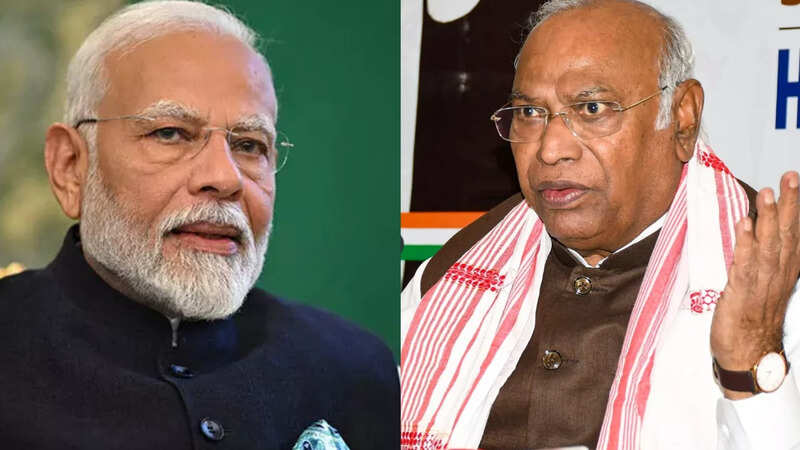
BJP Files Complaint Against Kharge Over Controversial Remark
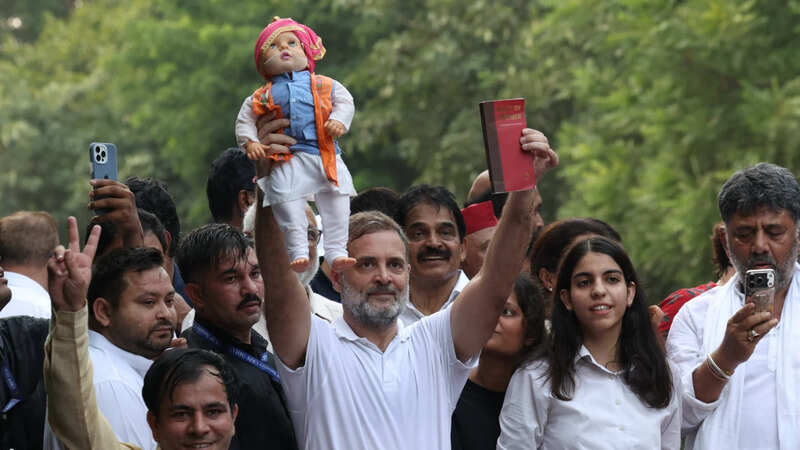
Rahul Gandhi Critiques BJP Ahead of Delhi Rally on November 1