Israel Election 2026: Netanyahu Faces Critical Political Challenge


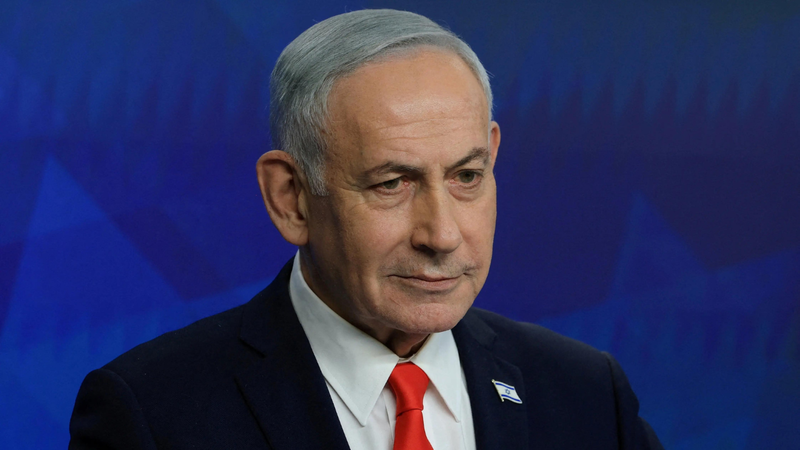
Polling stations across Israel opened this morning as millions prepare to participate in what is being described as the most significant election in the country’s history. The political landscape is marked by two primary coalitions vying for control of the government: one led by the Likud party, alongside various far-right and ultra-Orthodox parties, and a second coalition formed by four significant opposition movements.
These opposition groups consist of the Yashar party, the Democrats, the Yisrael Beiteinu party, and the Together alliance. The abundance of participating parties complicates the electoral process, as reaching the necessary absolute majority of 61 out of 120 seats is an ongoing challenge.
Recent opinion surveys conducted before a gag order was established suggested that neither of the main blocs would achieve a majority. Israeli voters will cast their ballots for a party rather than an individual candidate, aimed at choosing parties that successfully pass an electoral threshold of 3.25 percent to enter the parliament.
Securing a parliamentary majority requires coordination among parties, a complex task given the current political climate. Once the elections conclude, parties have a 28-day window, with a possible 14-day extension, to forge a coalition capable of achieving the requisite 61 seats. In the event that no coalition forms, the country faces the prospect of another election.
Election day in Israel is designated as a national holiday, with most polling stations open from 7 a.m. to 10 p.m. (05:00 GMT to 20:00 GMT). Exceptionally, certain voting centres in localities with fewer than 350 eligible voters operate from 8 a.m. to 8 p.m. Special polling stations, such as those established in hospitals, will have similar opening hours. Voters still in line when voting centres close will be permitted to cast their ballots.
The electoral division of seats adheres to a proportional representation system, ensuring that parties receive seats roughly relative to their share of the national vote. For instance, if a party secures 30 percent of the votes, it is allocated approximately 30 percent of the available seats. Consequently, votes cast for parties that fail to meet the electoral threshold are non-counted, leading smaller parties to frequently merge ahead of elections.
This year's election is poised to deliver significant implications for the future governance of Israel, with intense focus on how Israeli youth may influence the vote, particularly through their support for far-right groups. As the polling process unfolds, updates will continually highlight key developments and insights throughout the day.
India Advocates for Veto Powers for All UN Security Council Members
Indian Defence Acquisition Council Approves Major Procurement Deals

Violence Erupts in Arunachal Pradesh Over Proposed Dam Project
Six Uttar Pradesh Officials Suspended Over Election Irregularities