Water Supply Disrupted for Thousands in Iran Following US Strikes


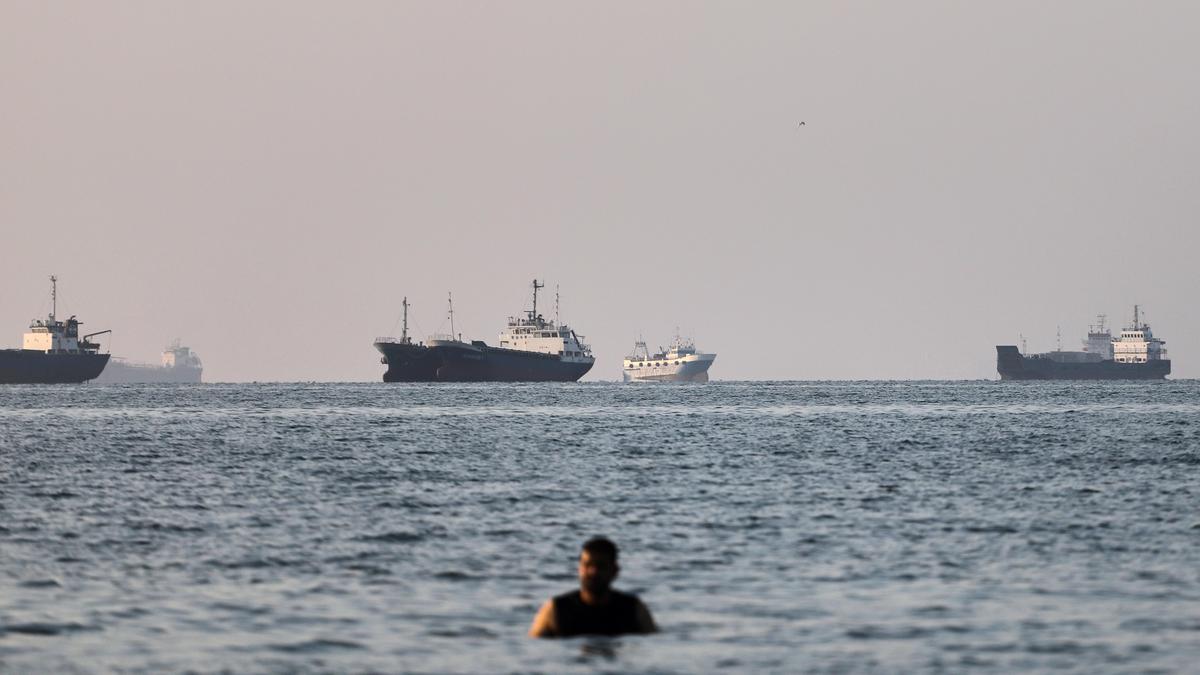
Thousands of residents in the southern Iranian town of Sirik have lost access to drinking water after United States airstrikes hit two key reservoirs in the region. According to Iranian state media, these strikes, executed on June 10, 2026, come in retaliation for the downing of a U.S. Army helicopter over Gulf waters.
The U.S. military reported that it targeted several cities including Jask and Sirik, as well as Qeshm Island in the strategic Strait of Hormuz. Local officials stated that the bombings severely damaged the reservoirs supplying water to the Bemani and Kouhestak regions, affecting approximately 20,000 individuals.
"Unfortunately, following this attack, residents have lost access to safe drinking water, with temperatures soaring between 45°C and 50°C, severely impacting living conditions," reported Iranian state television, citing local water authorities. The officials expressed concern that insufficient groundwater resources would hinder efforts to replace the destroyed infrastructure.
In light of the crisis, Abdolhamid Hamzehpour, a senior water company official from Hormozgan Province, noted that alternative solutions are being sought for the affected villages.
The Iranian government condemned the U.S. strikes, labelling them as actions carried out under false pretences. In a show of retaliation, Iranian forces reportedly launched missile and drone assaults targeting U.S. military installations in Bahrain, Jordan, and Kuwait.
This incident marks a significant escalation in hostilities following a temporary ceasefire between the U.S. and Iran, which had been established in April. The current situation poses a serious challenge as Iran has been grappling with an ongoing water crisis, exacerbated by prolonged drought and mismanagement of its water resources.
Initial estimates suggest that damages to the water facilities could amount to between $780,000 to $830,000. Iran's water supply situation has been dire for several years, with many of its key water sources running dry amid reduced precipitation.
As per the World Resources Institute, Iran faces extremely high water stress, indicating that it utilizes over 80 percent of its renewable water resources annually. The Berlin Rules, a set of international legal standards, classify infrastructure providing drinking water as civilian property and prohibit its targeting during armed conflict. Isa Bozorgzadeh, a spokesman for Iran's water industry, referred to the U.S. strike on the reservoirs as a potential war crime under international humanitarian law.
In the aftermath, the humanitarian implications for the affected regions are severe, with experts calling for the protection of vital water infrastructure during conflicts to avert further civilian suffering.

Kerala Initiates Probe into 2006 Suicide Case Involving CEC

Extradition of Sheikh Hasina Feasible, Says Indian High Commissioner

Punjabi Makeup Artist Mad Sandhu Shot Dead in Amritsar

India Achieves Fourth Place at Asian Games 2026 Through Late Success