Iran and US Reach Agreement Amid Mixed Reactions in Tehran


A memorandum of understanding was recently agreed upon between the United States and Iran, targeting an end to almost four months of escalating hostilities. The announcement has sparked cautious optimism globally; however, the mood on the streets of Tehran reflects a prevailing scepticism regarding the potential for lasting peace.
The deal, scheduled to be formally signed in Geneva, aims to reopen the Strait of Hormuz, a strategic maritime route for global energy supplies. This is significant as Iran had established control over the waterway amid the ongoing conflict that began on February 28. The US, in return, plans to lift a naval blockade on Iran’s southern ports, which has severely impacted the nation’s economy.
Despite the ceasefire agreement, numerous critical issues remain unresolved, including the fate of Iran’s nuclear programme and outstanding US sanctions affecting Tehran's economy and frozen assets. There is a growing sense of pessimism in Iran regarding the possibility of a sustainable, long-term agreement. Many believe that the terms of the current deal are insufficient to bring stability to their lives.
Parisa, a university student in Tehran, expressed doubts about the agreement's efficacy, stating, "I think the agreement doesn’t have huge benefits for the people because it won’t be really enforced in full to bring any stability to our lives."
Another resident, Mehdi, shared concerns about the US's willingness to meet Iran's demands, saying he doubts a ceasefire will endure in the face of numerous contentious issues. The Iranian public is acutely aware of the pressing need to lift substantial international sanctions, which have contributed to widespread economic hardship.
The deal has also been complicated by ongoing tensions, including military operations and Israeli opposition to the agreement. An Israeli bombing targeting Beirut underscores the precarious situation, prompting fears of destabilisation and potential return to conflict.
Furthermore, domestic hardliners in Iran are advocating for a more aggressive stance in negotiations, which could hinder the agreement's implementation. A public mural depicting the late Supreme Leader Ayatollah Ali Khamenei was unveiled in Tehran, highlighting sentiments of distrust towards the US and evoking not only reverence but also frustration regarding the national narrative surrounding perceived concessions.
The ramifications of the agreement include a halt to military operations across various fronts, including in Lebanon. Iran’s Supreme National Security Council recently signalled a commitment to react if necessary, particularly in light of continuing military threats.
As the situation unfolds, the Iranian market appears to react positively, with the national currency gaining value amidst hopes of reduced hostilities and increased availability of imports. Reports indicate the Iranian currency strengthened to about 1.61 million rials per US dollar, reflecting fluctuating market sentiments.
Prime Minister Narendra Modi of India welcomed the agreement, noting the need for the US and Iran to resolve their disputes and restore peace. This sentiment was echoed by other international leaders, highlighting the necessity of ensuring safe navigation in key maritime routes.
Although the deal marks a significant diplomatic effort, the scepticism prevailing within Iran’s public sphere suggests that the path to lasting peace remains fraught with challenges. Only time will reveal if this agreement can indeed pave the way for stability in a region long characterised by conflict and contention.

Bilateral Meetings and Side Conversations Mark Global Summit
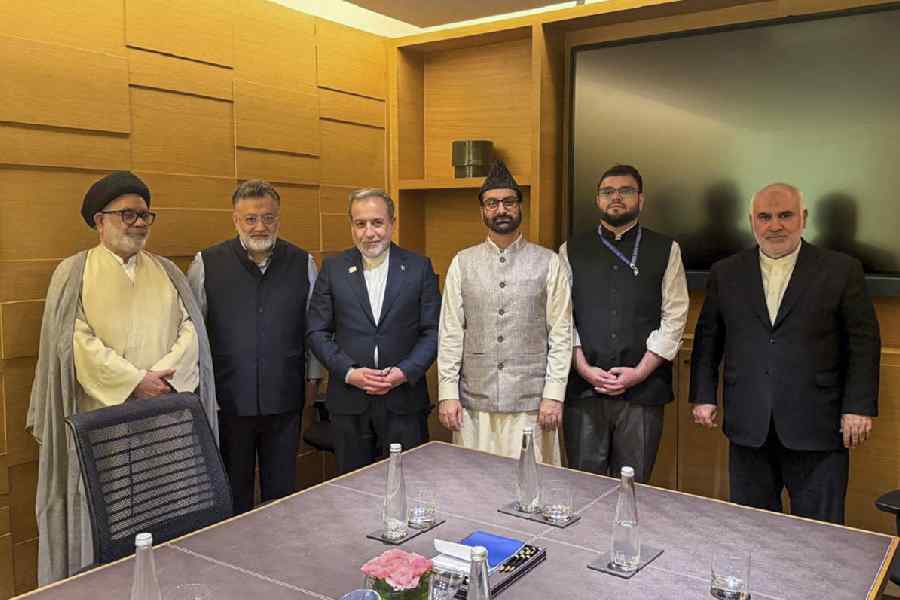
UAE and Iran Leaders Discuss Relations at BRICS Summit
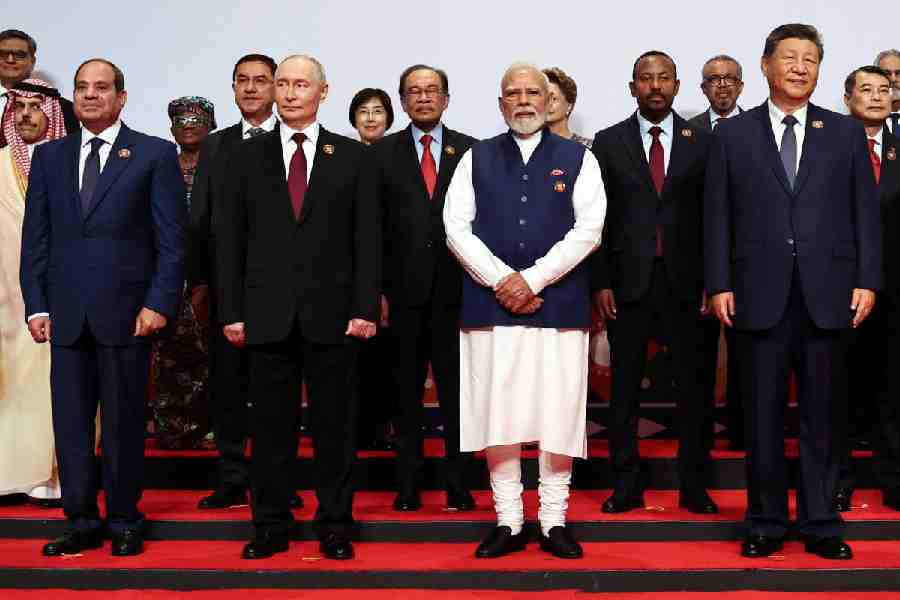
BRICS Summit Highlights Concerns Over Critical Minerals and Technology
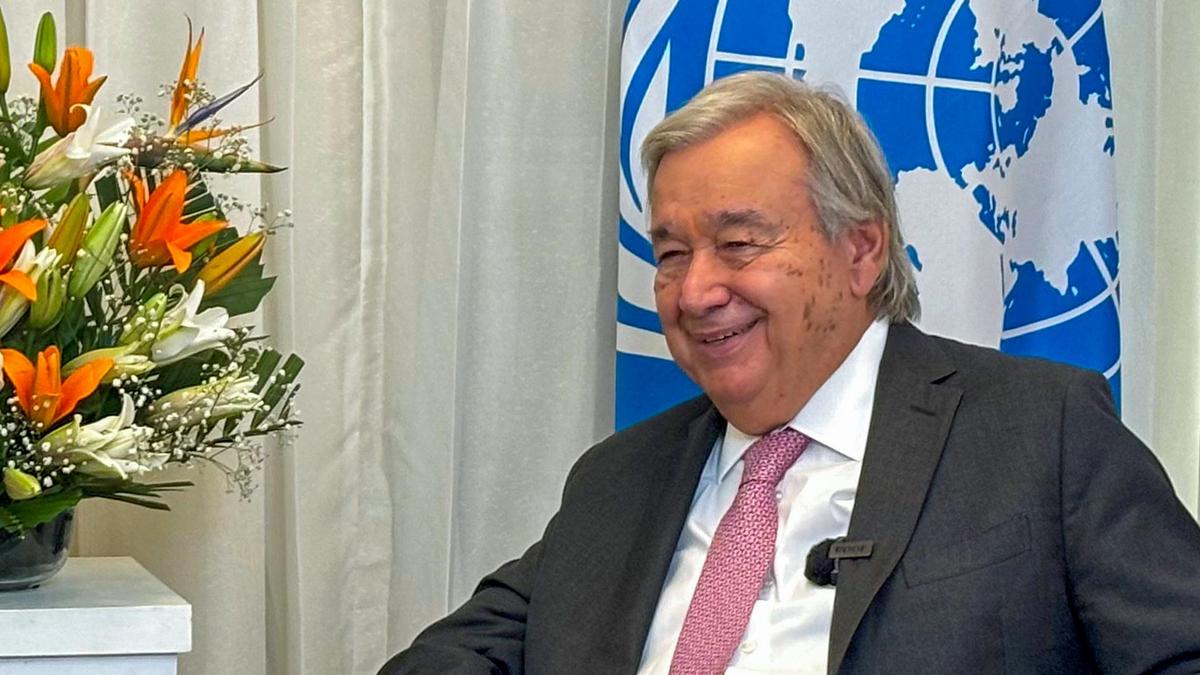
UN Secretary-General Discusses Security Council Challenges