US and Iran Reach Peace Deal to End Military Operations


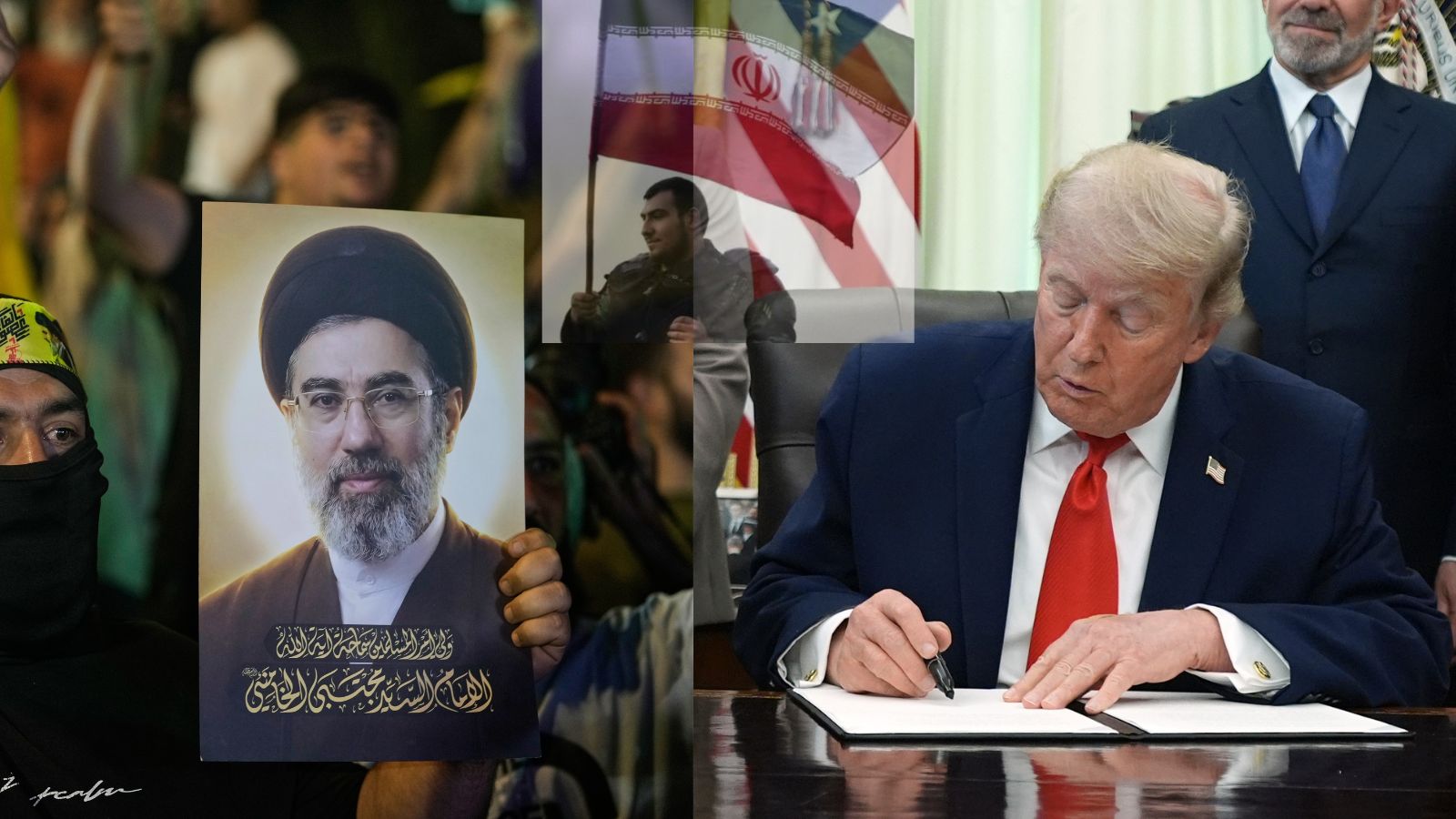
A peace agreement has been established between the United States and Iran, aiming to conclude military operations in various regions, including Lebanon. The announcement was made by Shehbaz Sharif, the Prime Minister of Pakistan, who stated that the deal will officially be signed on June 19 in Switzerland.
US Ambassador to the United Nations Mike Waltz expressed congratulations towards the US President, highlighting the agreement as a means to ensure national safety and prevent Iran from acquiring nuclear capabilities. In a social media post, he praised the deal as “one hell of a way to celebrate a birthday.”
Senator Lindsey Graham, known for his hawkish stance on Iran, welcomed the agreement but voiced concerns regarding potential discrepancies in how each side interprets the terms. He pointed out that any agreement should be submitted to Congress for review.
European leaders from Italy, Germany, France, and the United Kingdom have shown readiness to lift sanctions on Iran, contingent upon the nation taking “clear, verifiable steps” towards halting its nuclear programme. Their statement emphasised the importance of Iran never acquiring nuclear weapons and supporting the sovereignty of Lebanon.
The Secretariat of Iran’s Supreme National Security Council issued a statement confirming the suspension of hostilities, including in Lebanon, and an end to the US naval blockade on Iranian ports. The statement indicated that military operations would cease immediately, stating, “The war and military operations on all fronts will end as of tonight.”
Retired US General Mark Kimmitt cautioned that numerous factors could disrupt the fragile agreement, mentioning potential spoiler actions from Israel, Hezbollah, Iran, and even the US itself. He highlighted Israel's overlapping interests with the US but indicated that its objectives may differ significantly. Given Hezbollah's ongoing operations, Kimmitt observed that the situation remains volatile.
UN Secretary-General Antonio Guterres welcomed the deal, terming it a “critical step” for peace in the region. He expressed congratulations to both the US and Iran and noted the significance of a framework for further negotiations.
Despite the positive breakthroughs, the situation remains complex. Analysts suggest that Israeli Prime Minister Benjamin Netanyahu's previous expectations regarding Iran's government change and military operational ends may not materialise, placing pressure on his administration as elections approach.
French President Emmanuel Macron showed support for the agreement, insisting on the unconditional reopening of the Strait of Hormuz. He acknowledged the cohesive effort from multiple diplomatic contributors leading to the resolution.
As the official signing date approaches, the details surrounding the agreement continue to unfold, albeit with critical elements remaining unverified. This agreement has brought a temporary sense of relief amidst ongoing tension in the region, particularly concerning Lebanon, where ceasefires have previously faltered.

Elon Musk's strategies attract investor interest in SpaceX
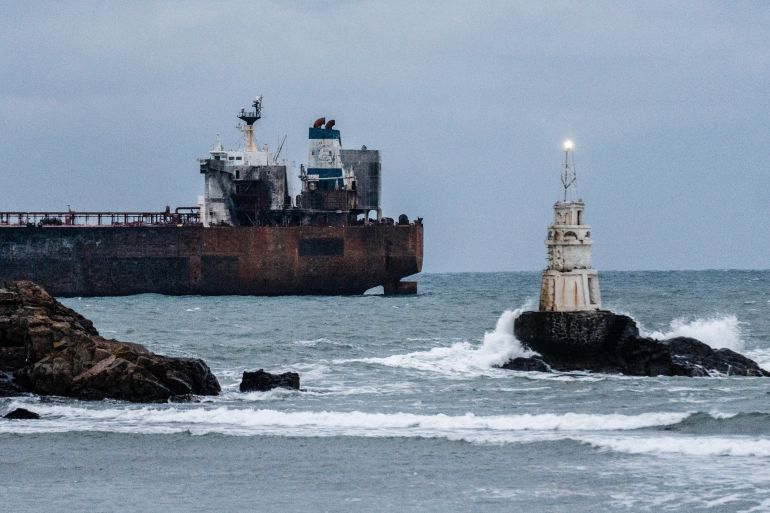
UK Royal Marines Intercept Russian Oil Tanker in English Channel

Bungee Jump Fatality in Brazil Sparks Investigation into Safety

UN Experts Criticise Enforcement of Dress Code in Afghanistan