US-Iran Agreement Boosts Global Markets and Investor Confidence



Investor optimism surged following a recent announcement regarding a peace agreement between the United States and Iran, marking a significant shift in global market dynamics. The deal, aimed at ending the 107-day conflict, has notably impacted various financial markets across the globe.
Major Stock Market Gains
On Monday, 15 June 2026, the Indian stock market experienced notable growth, with the benchmark Sensex gaining 736.38 points, or 0.97%, to close at 76,264.33. The Nifty index also witnessed an increase, rising by 231 points, or 0.98%, to end at 23,853.90. This upward trend follows previous gains that saw the Sensex rise by 1,695 points and the Nifty by 461 points in the preceding trading session.
Positive Impact on Crude Oil Pricing
The announcement regarding the US-Iran deal contributed to a significant decline in Brent crude oil prices, which fell to a three-month low, closing at approximately $82.94 per barrel after a decrease of 5%. The easing of geopolitical tensions has alleviated concerns surrounding energy costs, particularly for countries reliant on oil imports, such as India.
Market Reactions from Asia
Investor sentiment was not isolated to India. Across Asian markets, South Korea's Kospi index rose over 5%, while Japan's Nikkei 225 index also climbed nearly 5%. China's Shanghai Composite index saw nearly a 2% increase, reflecting a broader regional response to improved geopolitical stability.
Expert Insights
Rajesh Palviya, the Head of Research at Axis Direct, commented on the situation, stating, "The easing of geopolitical tensions following the US-Iran peace agreement is a significant positive for global risk assets. The immediate correction in crude oil prices is particularly encouraging for an import-dependent economy like India, as it helps alleviate inflationary pressures and improves macroeconomic stability."
Further Developments
In the aftermath of the agreement, which is set to be formally signed on June 19 in Switzerland, investor attention will remain focused on how the deal progresses, particularly concerning Iran's nuclear programme and sanctions relief. Iran's deputy foreign minister indicated that further discussions would take place during a 60-day ceasefire period.
Encouragement for Foreign Investments
Despite the positive market reaction, foreign institutional investors (FIIs) have been selling off equities, offloading shares worth ₹1,082.18 crore recently. Analysts forecast that the agreement could prompt a revival in foreign capital inflows into India, which have been sluggish lately due to elevated market valuations and weaker earnings momentum.
The Indian government has introduced measures to attract foreign investments, including exemptions from income tax on certain securities, which could bolster confidence among foreign investors moving forward. Radhika Rao, a senior economist at DBS Bank, suggested that these measures could yield an additional $50-60 billion in capital inflows, significantly enhancing India's balance of payments position.
As the world observes these developments, it remains clear that geopolitical factors will continue to play a pivotal role in shaping the global economic landscape, with the recent US-Iran deal serving as a catalyst for investor confidence and market activity.

Bilateral Meetings and Side Conversations Mark Global Summit

UAE and Iran Leaders Discuss Relations at BRICS Summit
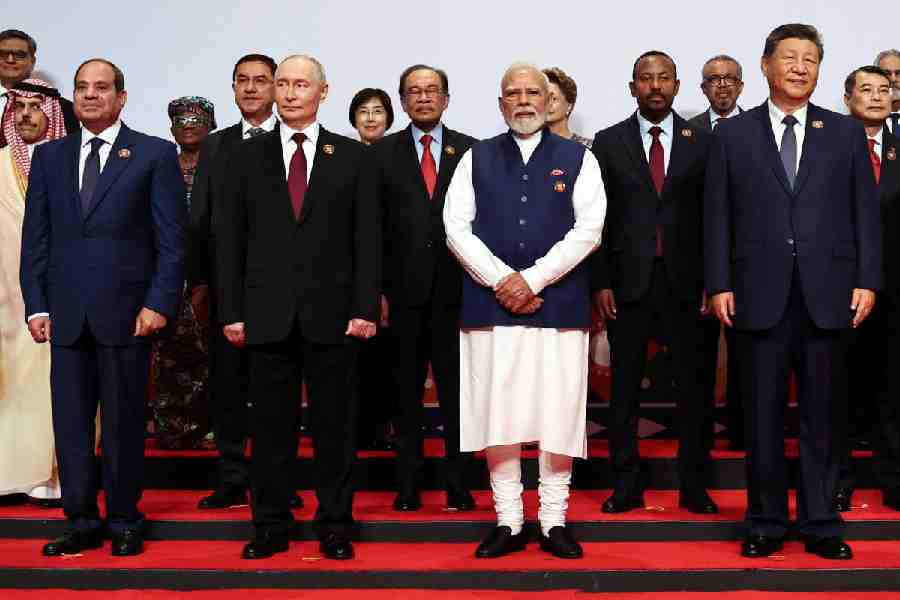
BRICS Summit Highlights Concerns Over Critical Minerals and Technology
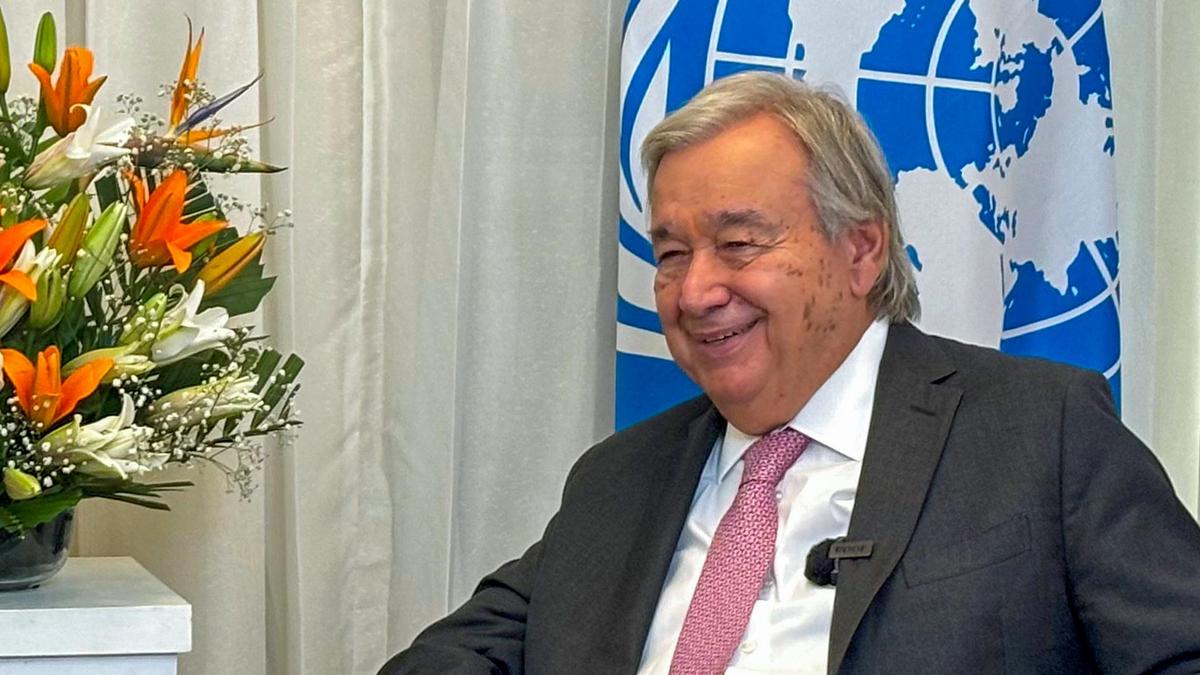
UN Secretary-General Discusses Security Council Challenges