Iran Seeks JD Vance for Peace Talks Over Trump’s Advisors


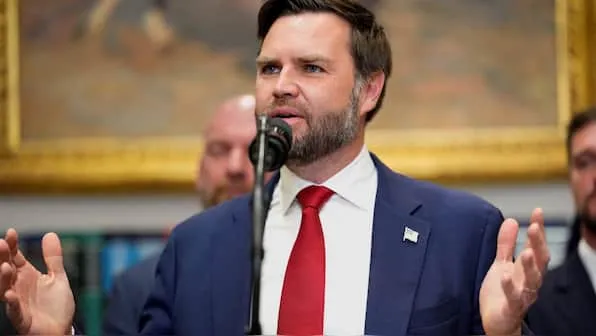
Iran has articulated a preference for negotiating with Vice President JD Vance rather than the inner circle of former President Donald Trump, specifically Jared Kushner and Steve Witkoff. This development highlights Tehran's scepticism and strategic calculations regarding diplomatic engagements with the United States. Backchannel communications to Washington reveal a clear message: talks led by Kushner and Witkoff are deemed unsatisfactory.
A diplomatic source conveyed to CNN, "With the previous negotiating team, there’s no chance." Iran perceives the request for negotiations as merely a tactic by the United States and Israel designed to find weaknesses in Iran's position before escalating military actions. This perspective suggests that Tehran believes it has encountered similar situations before, where dialogue has preceded escalations in conflict.
Vance enters the equation as a potential mediator who is perceived in Tehran as less inclined toward military interventions in the Middle East. According to a source cited by CNN, there is a belief that Vance would aim to resolve the ongoing conflict. Another source succinctly stated, "If the negotiations are going to have any outcome, JD Vance should join. With Witkoff and Kushner, nothing will come out of it. We have seen that in the past," as reported by the Daily Beast.
For Iran, selecting a negotiator is about risk management; they prefer an individual less tied to their military strategies. The scepticism rooted in previous interactions with the Trump administration, particularly following the collapse of nuclear negotiations coinciding with U.S. military actions, has contributed to their reluctance. One insider noted, "They don’t want to re-enter negotiations with the same faces," reflecting a growing "deficit of trust".
In contrast, Donald Trump has indicated that all key players, including Vance, Kushner, Witkoff, and himself, are engaged in the process. White House Press Secretary Karoline Leavitt asserted, "President Trump and only President Trump determines who negotiates on behalf of the United States." In the midst of this complex diplomatic landscape, Pakistan has offered to serve as a venue for discussions. Prime Minister Shehbaz Sharif expressed that his government is "ready and honoured" to support "meaningful and conclusive talks".
While Pakistan appears to be Iran's favoured choice for negotiation, other locations such as Turkey, Qatar, and Egypt remain viable options. Behind the scenes, Sharif has been in dialogue with Iranian President Masoud Pezeshkian, establishing a mutual recognition of the urgent need for de-escalation, dialogue, and diplomacy. Pakistan's military leadership has also contacted Trump, emphasising the significance of these negotiations. Meanwhile, signals from Washington are mixed.
Trump has claimed that the U.S. has "won the war," stating that Iranian forces have been "completely decimated," even as he claims discussions have been "GOOD AND PRODUCTIVE." Additionally, Trump has issued threats to severely damage Iran's power infrastructure unless the Strait of Hormuz was reopened, though this ultimatum has lapsed without consequence. Iran has reacted dismissively to claims of active talks, labelling them as attempts to evade the repercussions of such threats.
Thus far, establishing who participates in discussions has become part of the negotiations themselves. Iran's message remains unambiguous: if talks are to take place, they cannot be solely dictated by Washington. The choice of Vance over Trump’s close advisors might signal a deeper willingness by Tehran to trust a negotiator seen more as a sceptic than a salesman.
Impact of Trump's Tariff Law on India's Oil Imports and Trade
United Russia Party Secures Supermajority Despite Ukraine Conflict
Xi Jinping's US Visit Planned Amid Economic Tensions with Trump
India's External Affairs Minister to Address UNGA Amid US Tariff Changes