Iran's Peace Proposal Rejected by Trump Amid Ongoing Tensions


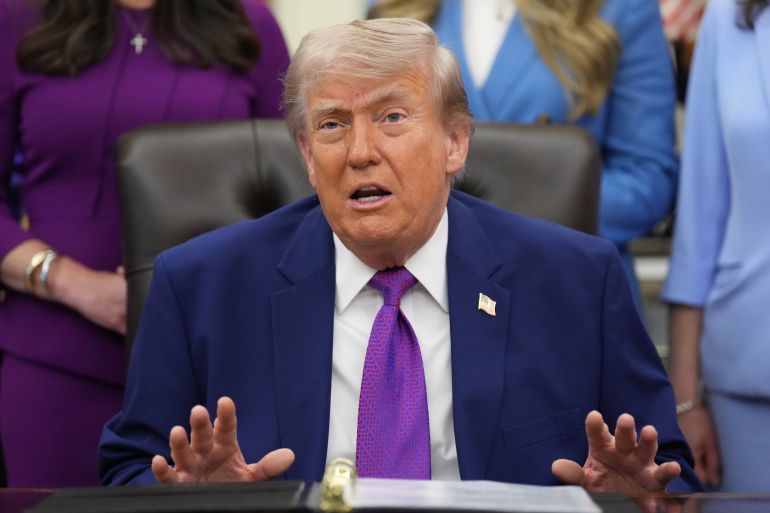
On Sunday, the Iranian government sent a counterproposal to a previous peace initiative from the United States, facilitated by Pakistan. US President Donald Trump quickly dismissed this response, labelling it as unacceptable while accusing Iran of 'playing games'. In a post on his Truth Social platform, Trump claimed, 'They will be laughing no longer!', expressing frustration with Iran's negotiation tactics over the past 47 years.
Following the temporary ceasefire that began on April 8, discussions between the two nations have stalled. Iran seeks a permanent cessation of hostilities, while Trump insists that Iran must first reopen the Strait of Hormuz, a critical corridor for global oil and gas exports. Additionally, Trump has stated that Iran's nuclear capabilities must be a key focal point.
Iran's de facto blockade of the Strait was implemented after the United States and Israel conducted military operations against Iran on February 28. Despite the ongoing ceasefire, tensions have escalated, with both nations continuing to intercept and capture vessels, and countries in the Gulf region experiencing attacks.
Iran's latest peace proposal reportedly calls for an end to the war across various fronts, including in Lebanon, where Israel has engaged in extensive military activity. According to Iranian media, the proposal prioritises halting hostilities and ensuring maritime security in the Strait of Hormuz before addressing broader issues, such as Iran's nuclear agenda and support for non-state actors in the region.
An official Iranian source indicated that the response was 'realistic and positive', suggesting that a beneficial agreement could emerge if the US responds appropriately. However, details of the proposal have varied in accounts. Regarding the estimated 440 kilograms of highly enriched uranium, the proposal reportedly includes offering to dilute some of this uranium and transfer the remainder to a third country. Tehran has expressed willingness to suspend uranium enrichment, but for a significantly shorter duration than the 20-year moratorium that the US has requested.
Iran’s semi-official Tasnim news agency conveyed that its main objectives were to end US sanctions on Iranian oil and release frozen assets abroad. Iran also desires the lifting of the US naval blockade of its ports. In the wake of Trump's rejection of the proposal, Esmaeil Baghaei, a spokesperson for Iran’s Ministry of Foreign Affairs, asserted that the US demands remained unreasonable, and insisted that Iran's proposals for concluding the war and ending the blockade were legitimate.
Baghaei argued, 'Demanding an end to the war, lifting the blockade, and releasing unjustly frozen Iranian assets is a common-sense approach for regional stability.' Additionally, reports state that Iran emphasised its national rights, with an insider remarking that the negotiating approach is not designed to appease Trump.
Under the US's previous 14-point plan, which has generated its own level of controversy, Iran would need to forgo nuclear weapon development and cease all uranium enrichment for at least 12 years, alongside transferring its stock of 440 kilograms of enriched uranium. In exchange, the US would gradually alleviate sanctions and return billions in frozen assets, while ensuring the Strait of Hormuz remains open.
Analysts indicate that the core issues Iran raised resonate with areas of significant contention for the US. These unresolved disputes continue to hamper the prospects for peace negotiations, with both sides entrenched in their positions as military activities persist in the Gulf region.
Election Commission Responds to Allegations of Internal Disputes

Nine Dead in Bus Fire on Yamuna Expressway, Greater Noida
Indian Seafarer Killed in Missile Attack on Merchant Vessel Near Oman
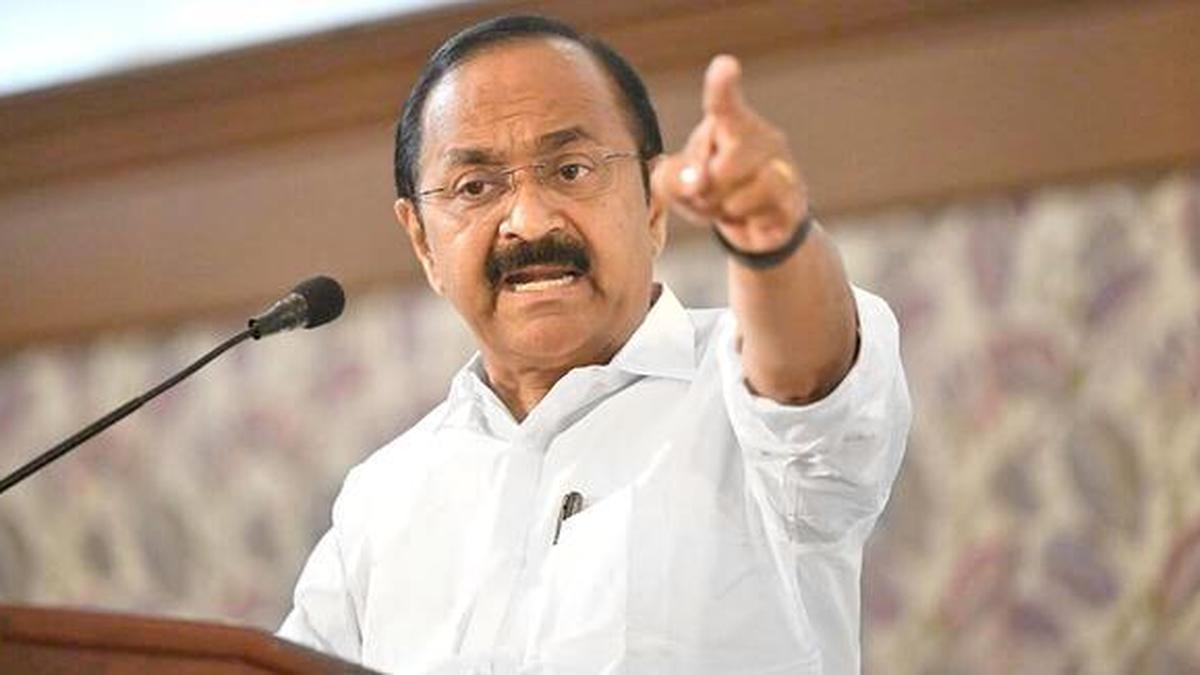
Kerala Chief Minister Faces Corruption Allegations Over Flight Funding