India's PM Modi Calls for Austerity Amid Rising Energy Prices


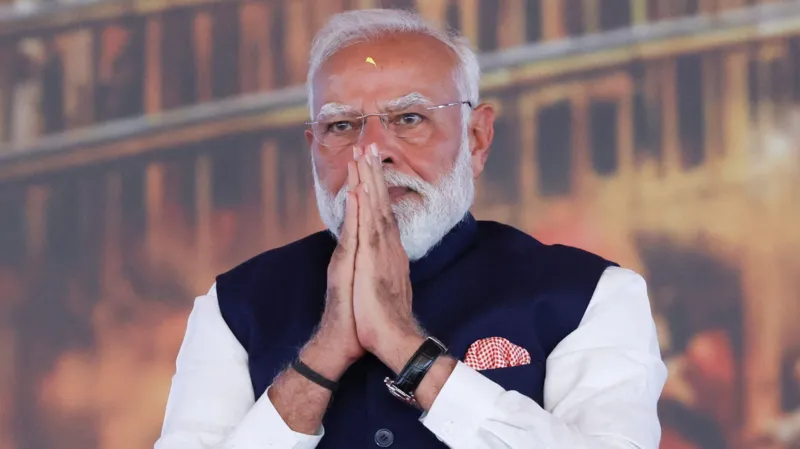
Indian Prime Minister Narendra Modi has called on citizens to adopt austerity measures as a response to rising global energy prices exacerbated by the ongoing conflict in the Middle East. Speaking at a public event in Hyderabad, Modi emphasised the need for citizens to work from home, limit foreign travel, and reduce purchases of items such as gold. He suggested that these measures would help alleviate India's economic pressures and conserve foreign exchange.
India relies heavily on imports for its oil, with approximately 90% sourced from overseas. Recent escalations in the conflict in West Asia, particularly the war involving Iran, have resulted in a significant increase in crude oil costs. The Strait of Hormuz, a critical maritime passage for oil shipments, has been effectively closed for over two months, intensifying the situation. Modi remarked that adopting familiar austerity measures reminiscent of the Covid-19 pandemic was vital at this juncture.
During his address, Modi remarked, "Patriotism is not only about the willingness to sacrifice one's life on the border. In these times, it is about living responsibly and fulfilling our duties to the nation in our daily lives." He urged the public to shift to public transport, such as subways and buses, and consider carpooling to further conserve fuel. Farmers were also invited to reduce fertilizer use by half in a bid to combat rising costs stemming from decreased supply.
The impact of Modi's statements was immediate, as India's benchmark Sensex index dropped over 1,000 points at the start of trading on Monday, amid fears of prolonged economic disruptions. The rising costs of fuel are placing stress on various sectors, with jobs at risk in industries that depend heavily on consistent supply chains, such as glass, plastic, and tile manufacturing. The Indian rupee has also faced significant depreciation, raising concerns about inflation as the cost of imports climbs.
While the federal government has held off on increasing petrol and diesel prices at the pump, analysts predict that directives to curb energy use may be forthcoming, along with a potential revision of fuel prices. Critics from opposition parties have responded to Modi's proposals by suggesting a lack of effective planning by the government. Congress party leader Rahul Gandhi accused the administration of shifting the burden onto citizens while avoiding accountability themselves.
The effects of the conflict in West Asia extend beyond India, impacting economies across Asia and contributing to rising fuel prices globally. Reports from the International Energy Agency have characterised the situation as the largest disruption in energy supply history. In response to these challenges, various nations have taken measures to protect their economies. For example, China has directed its refineries to halt fuel exports, while certain Australian states have drastically reduced public transport fares to encourage alternatives to driving.
As the conflict continues, the disruption to oil supplies has led to nations like the Philippines declaring national emergencies and offering subsidies to transport operators. Similarly, Sri Lanka has implemented fuel rationing and adjusted its workweek to mitigate the effects of rising costs and limited availability of resources.
In light of these developments, it remains imperative for Indian citizens to consider Modi's recommendations seriously as the country navigates through these economically challenging times. The call for a collective effort to cut down on fuel use and foreign spending reflects an urgent response to an evolving global crisis, necessitating a re-evaluation of consumption patterns and national responsibilities.
Election Commission Responds to Allegations of Internal Disputes
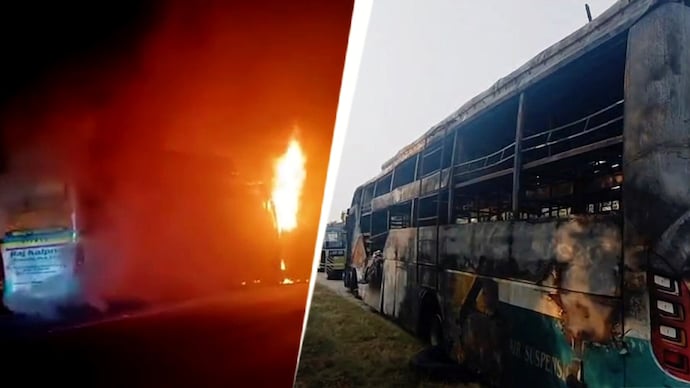
Nine Dead in Bus Fire on Yamuna Expressway, Greater Noida
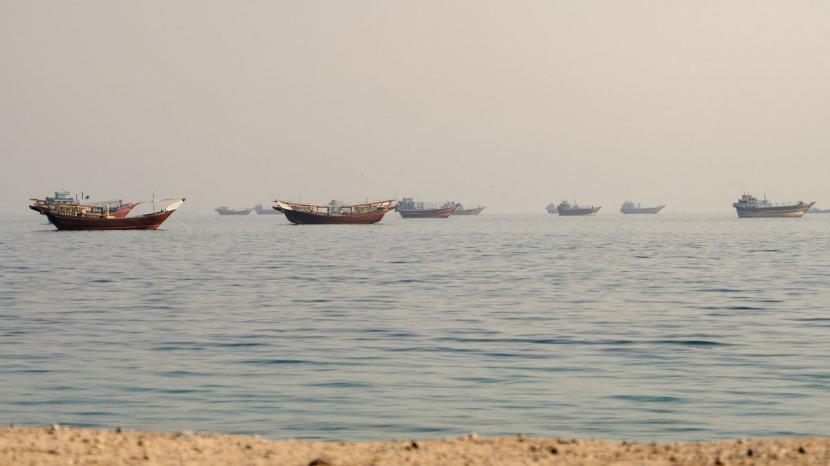
Indian Seafarer Killed in Missile Attack on Merchant Vessel Near Oman
Kerala Chief Minister Faces Corruption Allegations Over Flight Funding