Iran Launches Ballistic Missiles Targeting Diego Garcia Military Base


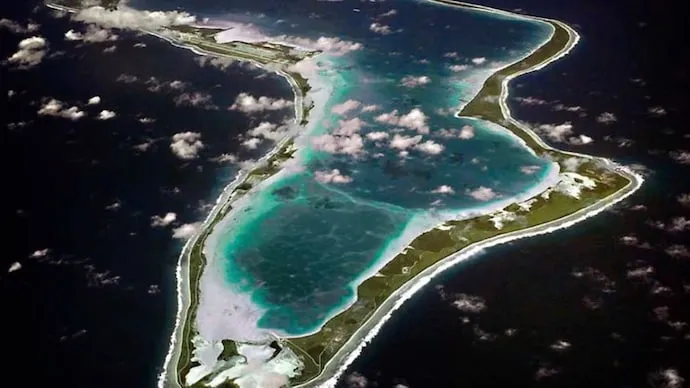
Iran launched two intermediate-range ballistic missiles at the Diego Garcia military base, which is jointly operated by the United States and the United Kingdom, on Saturday, as reported by the semi-official Mehr news agency. Neither missile hit the base, but the move marks a notable escalation in Tehran's missile capabilities.
Mehr described the attack as a significant step that demonstrates how Iran’s missile range exceeds previous estimates. According to United States officials, speaking to the Wall Street Journal, one of the missiles failed during its flight, while a US warship intercepted the second missile with an SM-3 interceptor. The success of that interception remains unconfirmed.
Britain has condemned the missile assault as "reckless," highlighting its implications due to Diego Garcia’s significant distance from Iran, approximately 4,000 kilometres. This distance is notably twice the previously acknowledged range of Iran’s missiles. Iranian Foreign Minister Abbas Araqchi had claimed earlier that the range of Iran's missiles extended to 2,000 kilometres.
Despite the missiles not hitting their target, the attempted attack forces a reassessment of Iran's capabilities. The attempt to strike at such a distance indicates Tehran's ability to extend its reach beyond prior estimates, raising concerns for US and UK strategic plans in the Indian Ocean. Media reports suggest this situation alters risk assessments in the region by sending a political message that no US base can be considered entirely secure from Iranian attacks.
Diego Garcia plays a critical role in US military operations, housing heavy bombers and surveillance aircraft, as well as essential logistics support. The attempted missile strike compels the US to allocate advanced missile defence resources to the Indian Ocean region. Reports indicate that although one missile was intercepted and another failed, the strategic implications are significant as Iran successfully pressed the US to enhance its defensive posture.
As a defence source mentioned, “The technical outcome matters less than the demonstration of reach.”
This missile attempt occurs against a backdrop of increasing tensions in the Strait of Hormuz, where Iran has been known to target both commercial shipping and US military forces. Recently, the UK endorsed US operations from its bases in the Middle East, reinforcing a framework of “collective self-defence.” A spokesperson from Downing Street condemned Iran's actions which expanded target options to include international shipping, warning that such strikes could escalate regional crises and exacerbate global economic strains.
US President Donald Trump commented on the UK’s delayed approval, expressing surprise at the slow response, given the historically strong relations between the two nations. The Pentagon has responded by deploying additional warships and thousands of Marines to the Middle East, aiming to strengthen the protection of crucial sea lanes and allied interests.
By shifting the theatre of conflict into the Indian Ocean with the Diego Garcia strike, Iran has broadened the scope of its military engagements. This suggests that no US position, no matter how remote, is within Iran’s reach. Experts speculate that Tehran may be testing missile systems that approach true intermediate-range capabilities, with potential reach extending into southern Europe or further into the Indian Ocean.
This incident serves as both a strategic demonstration and a technical assessment, as reported by various media outlets. Although the US may have successfully intercepted one missile, the mere execution of the attack signals that even older missile technologies can challenge established defence systems, necessitating a re-evaluation of military strategies by Washington and London in the region.

US Approves Visa for Iranian Delegation Amid Ongoing Conflict

Election Commission Restricts TMC Use of Name and Symbol in Bypolls

India Revises Passport Rules for Minors Under 15 Years Old
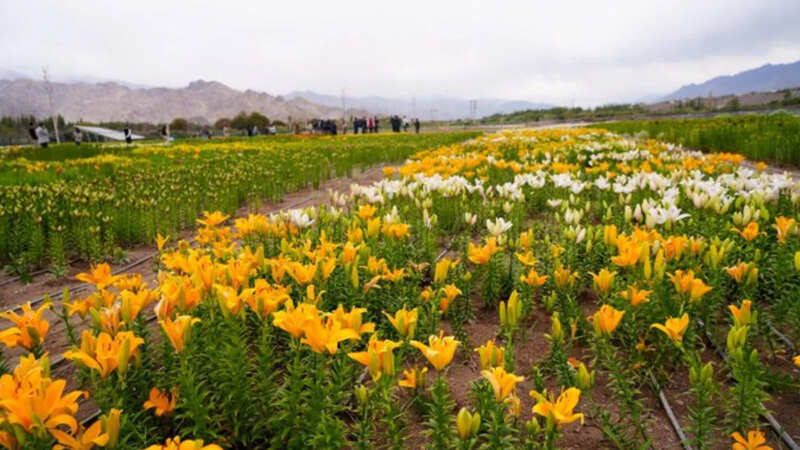
World's Highest Flower Fields Open in Leh, Ladakh at 10,600 Feet