Iran Insists on Rights Amid Tougher US Peace Proposal


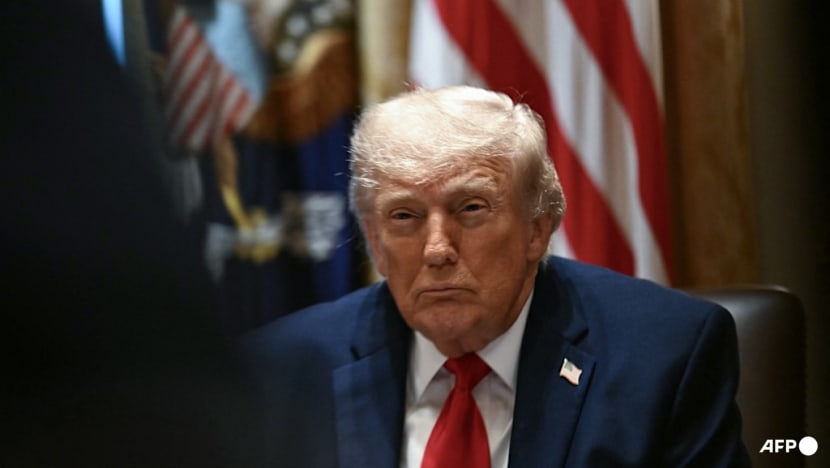
Iran has voiced concerns about its negotiations with the United States, asserting that it does not trust Washington. Mohammad Bagher Ghalibaf, Iran's chief negotiator, stated on Sunday that Tehran would not agree to any deal unless it guarantees the rights of the Iranian people. His comments come following reports that US President Donald Trump has presented a tougher peace proposal to Iran, highlighting the significant rift that remains between the two parties.
Negotiations aimed at formally ending ongoing conflicts in the Middle East and the reopening of the Strait of Hormuz have faced additional delays. This comes after a previously proposed agreement, which has yet to be finalised, was subject to adjustments that Iran fears could complicate the situation further. The past weeks have seen sharp rhetoric and occasional escalations in violence, raising concerns about the potential for renewed conflict.
In February, Iran was already in discussions with the US regarding its nuclear programme when military actions by the US and Israel resulted in considerable casualties among Iranian leadership. Iran maintains that its nuclear ambitions are strictly for civilian purposes, while the US and its allies suspect otherwise.
Recent reports, including those by The New York Times and Axios, indicated Trump had submitted a revised framework for negotiations, although specific details remain undisclosed. Trump aims to prevent Iran from developing nuclear weapons and seeks to ensure free passage through the Hormuz Strait, vital for global oil transport, a region Iran has attempted to control.
"The one guarantee that I have to have is that there will be no nuclear weapons. They've agreed to that, and it was very interesting," Trump stated in an interview, echoing positions outlined in discussions. However, Iranian officials have expressed skepticism regarding Trump's claims, maintaining that the two sides differ vastly on critical issues.
Ghalibaf emphasised that Iran's stance remains firm, stating, "We will not approve any agreement until we are certain that the rights of the Iranian people have been upheld." According to the Tasnim news agency, ongoing exchanges between the two nations concerning the draft of a possible memorandum of understanding involve numerous proposed amendments. Currently, no agreement has been finalised, with the possibility of rejection still on the table.
Iran has demanded the release of US$12 billion in frozen assets as a prerequisite for more substantial negotiations regarding its nuclear programme. The nation's officials dismissed earlier comments from Trump regarding the destruction of enriched uranium, labelling them as "baseless". Additionally, Iran insists that any potential agreement include considerations for Lebanon, amid ongoing hostilities supported by Iran’s backing of Hezbollah.
Despite an unofficial ceasefire in place since April, which has momentarily reduced hostilities, some violence continues. Reports indicate that Iran’s Revolutionary Guards downed a US military drone allegedly attempting to breach Iranian territorial waters; however, the US has not confirmed these claims.
Tensions escalated again this week, with a US attack on the Iranian port of Bandar Abbas drawing retaliatory action from Iran. Diplomacy persists, as Trump seeks a resolution that would alleviate reciprocal blockades in the Strait of Hormuz, which plays a crucial role in global oil supply routes.
Contrary to Trump’s claims that Iran would not impose tolls on vessels traversing the strait under any future agreement, Iranian sources suggest that such clauses do not exist in the current proposals. Furthermore, Iranian lawmaker Alireza Salimi indicated that plans to assert Iranian authority and impose administrative fees on navigation through the strait would be presented to parliament soon.
Amidst these diplomatic negotiations, Israel has confirmed its military presence on the Lebanese border, further complicating the regional situation. The Israeli military announced that troops had crossed into Lebanon, marking a significant escalation in violence between Israel and Hezbollah. Israeli Prime Minister Benjamin Netanyahu declared the need for aggressive action across multiple fronts, including Syria, Gaza, and Lebanon, while Lebanese leaders have called for immediate ceasefire measures in response to ongoing military actions.
As interim tensions continue, both Iran and the US remain at a stalemate, with the specifics of any agreement still unclear and significant mistrust dominating the dialogue.
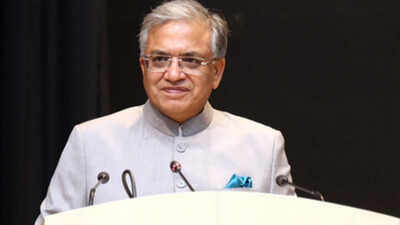
Kerala Initiates Probe into 2006 Suicide Case Involving CEC
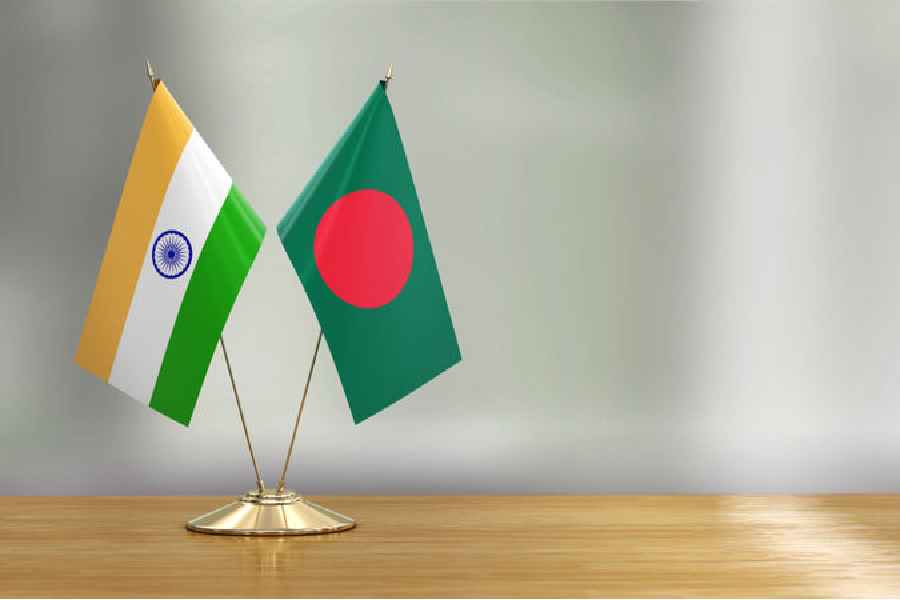
Extradition of Sheikh Hasina Feasible, Says Indian High Commissioner

Punjabi Makeup Artist Mad Sandhu Shot Dead in Amritsar

India Achieves Fourth Place at Asian Games 2026 Through Late Success