Iran Hardliners Rally Behind Mojtaba Khamenei as War Rattles Markets


Iranian political and security institutions have rallied behind newly appointed Supreme Leader Ayatollah Mojtaba Khamenei, as the ongoing war involving Iran, Israel and the United States intensifies and sends shockwaves through global energy markets.
Large pro-government gatherings were reported in several Iranian cities on Monday, where supporters pledged loyalty to the new leader following the death of his father, Ayatollah Ali Khamenei, during the early phase of the conflict.
Public demonstrations of loyalty
Iranian state media broadcast images of crowds gathering in major urban centres, including Tehran and Isfahan, carrying Iranian flags and portraits of both the late and newly appointed leaders.
In the historic Imam Square in Isfahan, state television reported the sound of explosions nearby during what it described as apparent air strikes, while demonstrators chanted religious and nationalist slogans.
Political institutions and security bodies also issued statements pledging support for the new leader.
In one declaration reported by Iranian media, the country’s defence council said: “We will obey the commander-in-chief until the last drop of our blood.”
The swift mobilisation of support among conservative political groups and security institutions suggests that the Iranian leadership is seeking to project unity as the country faces external military pressure.
Role of the Revolutionary Guard
Analysts say the backing of the Islamic Revolutionary Guard Corps is crucial for the authority of any Iranian leader.
The Revolutionary Guard is a powerful military organisation that plays a central role in Iran’s defence, intelligence operations and economic activities.
Observers note that Mojtaba Khamenei has long been considered closely connected to conservative clerical networks and the Revolutionary Guard.
These relationships are widely viewed as an important factor in securing his leadership position after the death of his father.
Some Iranian citizens interviewed by media organisations expressed support for the new leader, seeing his appointment as a signal of resilience against foreign pressure.
“I am so happy that he is our new leader. It was a slap in the face to our enemies that thought the system would collapse,” said Zahra Mirbagheri, a 21-year-old university student in Tehran.
Others expressed anxiety about the future.
A businessman in the central Iranian city of Arak, who gave his name only as Babak, said the state still maintained overwhelming control.
“The Revolutionary Guards and the system are still powerful. They have tens of thousands of forces ready to fight to keep this regime in place,” he said.
War widens across the region
The conflict between Iran, Israel and the United States has expanded across multiple parts of the Middle East, raising fears of a broader regional war.
Israeli forces have said they are targeting Iranian military infrastructure, including missile production facilities and drone command centres.
The Israeli military said it had launched a new wave of strikes in central Iran and in the Lebanese capital Beirut after the Iran-backed group Hezbollah fired rockets across Israel’s northern border.
According to Iranian officials, more than 1,300 civilians have been killed in strikes during the conflict.
In Israel, emergency services reported that at least 11 people have died as a result of Iranian missile attacks.
The war has also affected neighbouring countries.
Turkey said air defence systems linked to the North Atlantic Treaty Organization intercepted a ballistic missile fired from Iran that entered Turkish airspace. Iranian authorities have not immediately commented on the claim.
Energy shock and global market reaction
The conflict has triggered major disruptions to global energy supply.
The Strait of Hormuz, a narrow waterway through which about one-fifth of the world’s oil and liquefied natural gas passes, has effectively been closed for more than a week because of the fighting.
Oil tankers have reportedly been unable to transit the route, forcing some producers to reduce output as storage facilities reach capacity.
Saudi Arabia, Iraq and Kuwait have already curtailed production at several oil fields as a result of logistical constraints.
Brent crude oil prices rose sharply, briefly climbing above 119 US dollars per barrel before stabilising near 100 dollars.
Since the start of the war, oil prices have surged by as much as 65 percent, raising concerns about global inflation and economic instability.
Global stock markets fell sharply amid fears that prolonged disruptions could trigger an energy crisis reminiscent of the oil shocks of the 1970s.
Bond yields have also increased as investors anticipate that central banks may need to maintain higher interest rates to control rising inflation.
International reactions
United States President Donald Trump criticised the selection of Mojtaba Khamenei as Iran’s new leader.
Trump said the appointment was unacceptable and repeated demands that Iran accept what he described as unconditional surrender.
He argued that continuing the policies of the previous leadership could prolong the conflict and risk future wars.
In a message posted on social media, Trump said that higher oil prices caused by the conflict would be temporary and that defeating what he described as Iran’s nuclear threat would ultimately improve global security.
Meanwhile, Iran’s Foreign Minister Abbas Araghchi said Tehran did not seek to harm ordinary American citizens.
In comments posted online, Araghchi argued that economic disruptions affecting Americans were the result of decisions taken by Israel and its allies.
Environmental and humanitarian concerns
The fighting has also raised concerns about environmental damage.
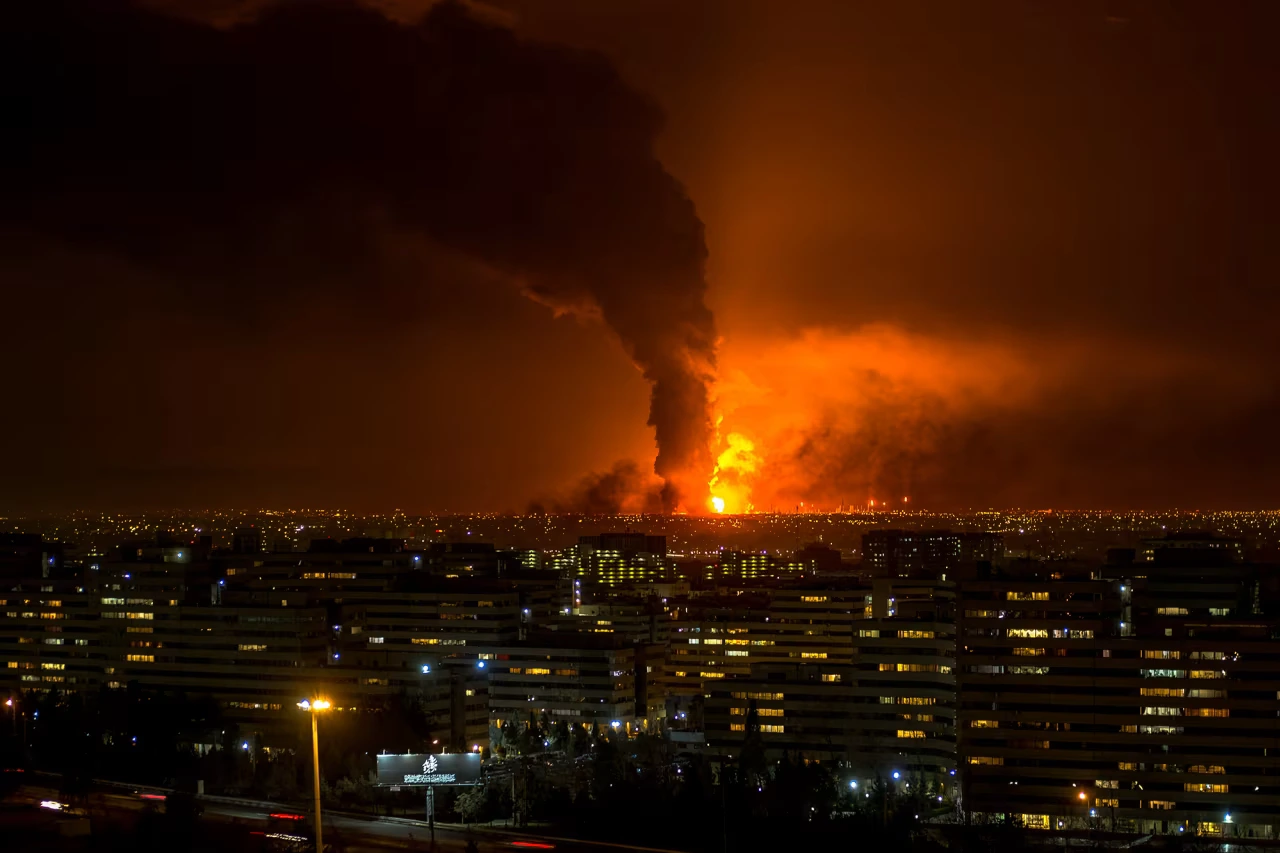
Smoke was seen rising over parts of Tehran after an oil refinery was reportedly hit during the latest round of air strikes.
World Health Organization Director-General Tedros Adhanom Ghebreyesus warned that attacks on petroleum facilities could pose serious health risks.
He said damage to energy infrastructure could contaminate air, water and food supplies, particularly affecting vulnerable groups such as children and older people.
Context
The appointment of Mojtaba Khamenei marks a significant moment in Iran’s modern political history.
Since the creation of the Islamic Republic in 1979, the position of Supreme Leader has been held by only two figures before him: Ayatollah Ruhollah Khomeini and Ayatollah Ali Khamenei.
His leadership now begins during one of the most dangerous regional crises in decades.
Analysts say the combination of military escalation, leadership transition and economic disruption has created a volatile environment that could shape the Middle East and global energy markets for years to come.
Kerala Initiates Probe into 2006 Suicide Case Involving CEC
Extradition of Sheikh Hasina Feasible, Says Indian High Commissioner

Punjabi Makeup Artist Mad Sandhu Shot Dead in Amritsar
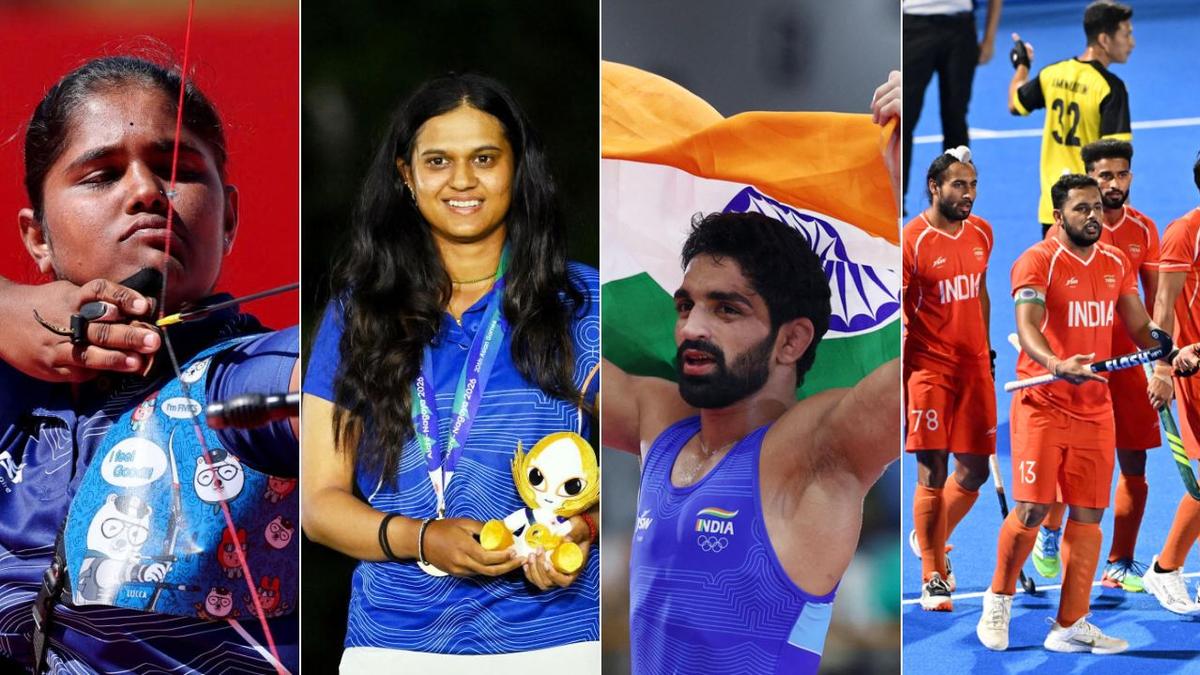
India Achieves Fourth Place at Asian Games 2026 Through Late Success