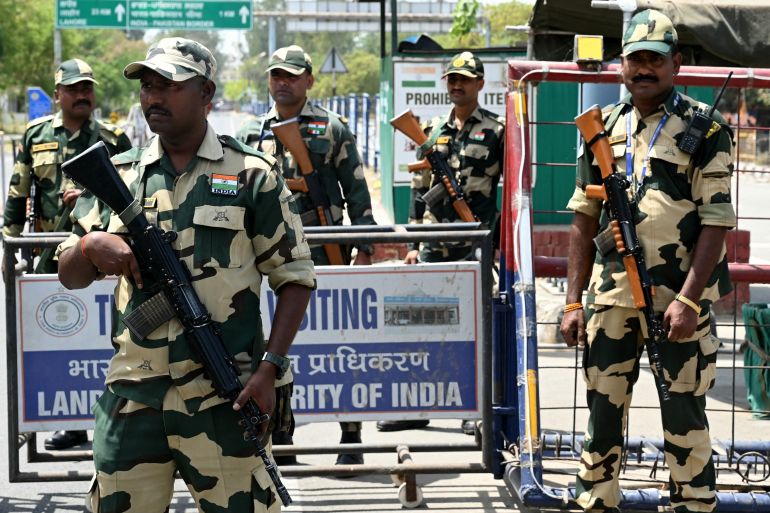
India Opposition Plans Impeachment Move Against Election Chief


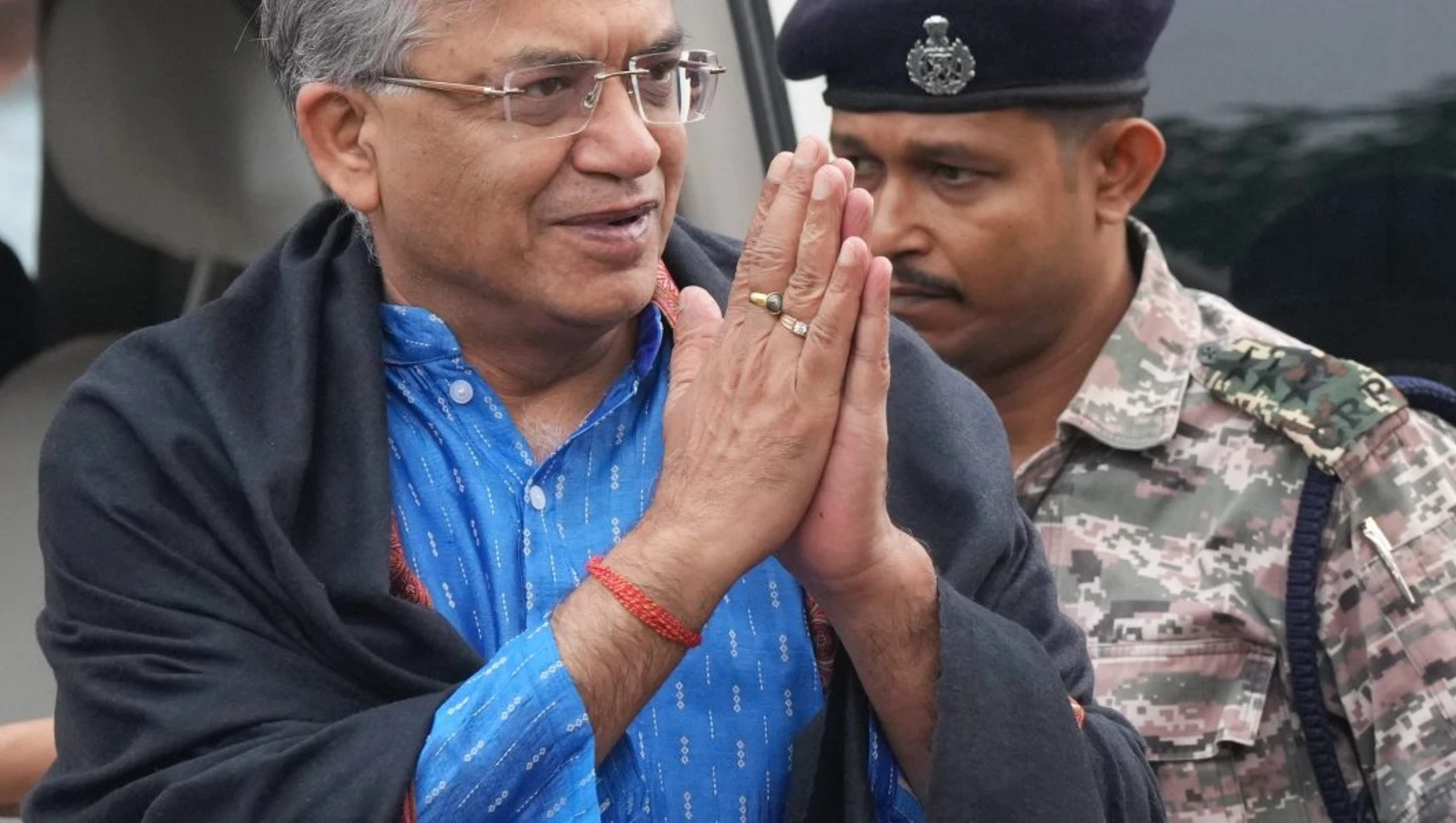
India’s opposition parties are preparing to initiate an impeachment motion against Chief Election Commissioner Gyanesh Kumar, escalating a political dispute over electoral roll revisions, while also pursuing a no-confidence motion against Lok Sabha Speaker Om Birla.
The planned move follows mounting criticism from several opposition groups who allege irregularities in the Special Intensive Revision of voter lists, particularly in the eastern state of West Bengal.
Growing confrontation over voter list revision
According to opposition leaders, preparations are under way to submit a notice in Parliament seeking the removal of the Chief Election Commissioner. The effort is being led by the Trinamool Congress, the party governing West Bengal under Chief Minister Mamata Banerjee.
The dispute centres on a nationwide exercise known as the Special Intensive Revision, a process undertaken by India’s Election Commission to update electoral rolls by verifying voter eligibility and removing duplicate or invalid entries.
Trinamool Congress leaders say the revision process has disproportionately affected voters in West Bengal. Party representatives claim that more than 6.3 million names have already been removed from the rolls and around six million additional entries have been placed under review.
Opposition parties argue that the process has resulted in the deletion of legitimate voters. The Election Commission has rejected these allegations and says the revision is part of routine efforts to maintain accurate electoral records.
Opposition leaders coordinate strategy
The issue was discussed at a meeting of opposition parties from the INDIA alliance, a coalition of political groups that have joined forces against the governing National Democratic Alliance led by the Bharatiya Janata Party.
The meeting in Parliament House was attended by several senior leaders, including Congress Party leader Rahul Gandhi, Congress president Mallikarjun Kharge and Samajwadi Party chief Akhilesh Yadav.
Shatabdi Roy, a member of parliament representing the Trinamool Congress, told the meeting that the implementation of the voter revision process in West Bengal had been “highly unfair” and had resulted in the removal of legitimate voters.
Roy said the party had already held multiple meetings with the Election Commission to raise concerns about the procedure, but those discussions had not resolved the dispute.
Several other opposition leaders echoed similar criticisms. Rahul Gandhi has repeatedly questioned the functioning of the Election Commission since regional elections held in the northern state of Bihar, alleging the presence of fraudulent voters.
The Election Commission has rejected those claims and held a press conference in New Delhi to defend its procedures and respond to the accusations.
Samajwadi Party leader Akhilesh Yadav has also criticised the voter roll revision process in the northern state of Uttar Pradesh, while the Dravida Munnetra Kazhagam and other parties within the opposition alliance have expressed similar concerns.
Legal pathway for impeachment
Under Indian law, removing the Chief Election Commissioner requires a parliamentary process similar to the removal of a judge of the Supreme Court.
An impeachment motion must first be introduced in either house of Parliament. The notice must carry the signatures of at least 100 members of the Lok Sabha, the lower house, or 50 members of the Rajya Sabha, the upper house.
If the presiding officer accepts the motion, it must then be approved by a two-thirds majority in both houses of Parliament.
The grounds for removal are limited to “proved misbehaviour or incapacity”.
Political analysts say the opposition is unlikely to secure the required parliamentary numbers, suggesting the move may function primarily as a political pressure tactic rather than a measure expected to succeed.
No-confidence motion against the Speaker
The impeachment initiative comes as opposition parties also pursue a separate no-confidence motion against Lok Sabha Speaker Om Birla.
Opposition members have accused the Speaker of conducting parliamentary proceedings in what they describe as a partisan manner. The motion is expected to be debated during the second phase of the Budget Session of Parliament.
Removing the Speaker requires a simple majority in the Lok Sabha. In India’s 543-member lower house, at least 272 votes are required.
Current parliamentary numbers indicate that the opposition does not have sufficient support to pass the motion.
Opposition parties together hold around 238 seats in the Lok Sabha, including 99 held by the Indian National Congress and others controlled by parties such as the Samajwadi Party, Trinamool Congress and the Dravida Munnetra Kazhagam.
The governing National Democratic Alliance coalition holds approximately 293 seats, including 240 from the Bharatiya Janata Party and support from regional allies such as the Janata Dal (United) and the Telugu Desam Party.
Political protests and wider tensions
The controversy surrounding the electoral revision process has also triggered protests outside Parliament.
West Bengal Chief Minister Mamata Banerjee has been staging a sit-in demonstration in the state capital Kolkata since early March, protesting against the voter roll exercise and demanding what she describes as fair electoral procedures.
Banerjee previously signalled that her party would support any effort in Parliament to remove the Chief Election Commissioner.
The opposition’s plan to bring an impeachment motion is expected to be submitted after discussions on the no-confidence motion against the Speaker are concluded.
Context
India’s Election Commission is a constitutionally independent body responsible for overseeing national and state elections.
The Chief Election Commissioner heads the institution and is tasked with supervising the conduct of elections for Parliament, state legislatures and the offices of the president and vice-president.
Because of the importance of the role in maintaining electoral integrity, the constitution provides strong protections for the office. The removal process mirrors that of a Supreme Court judge and requires broad parliamentary consensus.
The dispute over the Special Intensive Revision highlights growing political tensions ahead of several upcoming state elections, including the vote scheduled in West Bengal.
Observers say disagreements over voter lists and election oversight often intensify in the lead-up to major polls, reflecting the central role of electoral processes in India’s highly competitive democratic system.
Kerala Initiates Probe into 2006 Suicide Case Involving CEC
Extradition of Sheikh Hasina Feasible, Says Indian High Commissioner

Punjabi Makeup Artist Mad Sandhu Shot Dead in Amritsar
India Achieves Fourth Place at Asian Games 2026 Through Late Success