Iran Executes Nearly Two People Weekly Amid Protests and Conflict


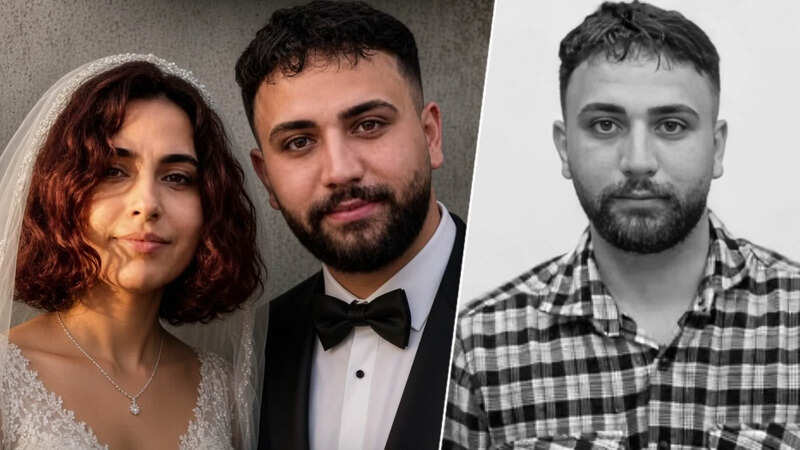
Iran has witnessed an alarming surge in executions since the protests that began in January 2026, averaging nearly two executions per week. A recent analysis by Iran International indicates that at least 70 individuals have been executed within this timeframe, largely in political and security cases tied to the protests and recent military conflicts.
Of those executed, approximately 35 were directly linked to the January protests, with several cases relating to the 12-day and 40-day wars. The executions encompass individuals who were arrested during the ongoing protests as well as long-term prisoners, with some having been incarcerated for nearly nine years following earlier protests.
The human rights organisation Iran Human Rights reports that as of October 3, 2026, documented at least 32 executions stemming from the protests with more confirmed subsequently. The judicial processes behind these executions have faced significant scrutiny, with allegations of torture and forced confessions surfacing frequently. An additional nine executions were linked to recent military engagements, while 26 involved unrelated political and security allegations, including ties to opposition groups.
Among those under threat of execution, 194 individuals currently face death sentences for political and security-related offenses. Of these, 113 are directly associated with the January protests, while others relate to various conflicts and political activities. Reports indicate a variety of cases, some originating from prior protests, including the notable 2022 Woman, Life, Freedom uprising.
Gender and age factors contribute to the alarming statistics: while all 70 of the executed individuals were men, there are 13 women currently facing execution, including several linked to the January protests. Additionally, at least seven were minors at the time of their alleged offences, raising concerns regarding international human rights standards.
Ethnic backgrounds of the individuals executed or facing execution are often underreported, but sources indicate that at least 18 executed persons and 51 facing execution belonged to ethnic minority communities. In the past weeks, widespread protests against the executions have emerged; civil society and human rights groups have condemned the regime's increasing reliance on capital punishment as a strategy to quell dissent.
Prominent protests have occurred in Zahedan, where the People's Mojahedin Organization of Iran (PMOI/MEK) led anti-regime activities condemning the rise in executions and calling for political reform. The demonstrations reflected a broader societal sentiment against the ruling regime and emphasized a movement towards a democratic Iran.
Ultimately, the ongoing situation in Iran is deeply concerning for human rights advocates, as the scale and speed of the executions indicate a severe repression of dissent and a lack of commitment to upholding fair judicial practices. As the country navigates this tumultuous period, the plight of those facing capital punishment raises urgent questions about the fundamental rights of Iranian citizens and the future of political expression in the nation.
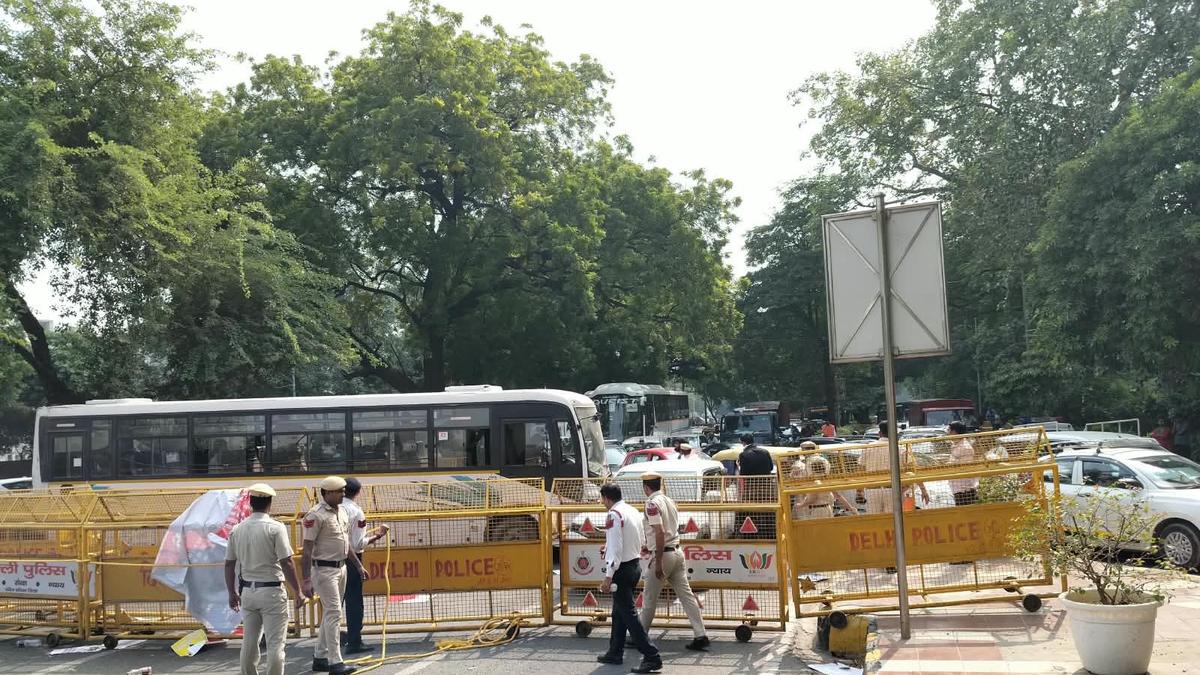
Violent Protests Erupt Near Akashwani Bhawan in New Delhi
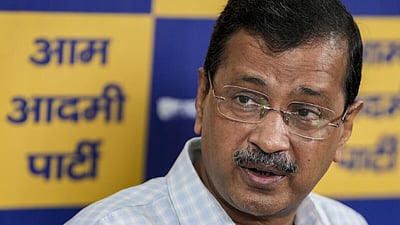
Kejriwal Slams Modi Government Over Arrests Ahead of Protest
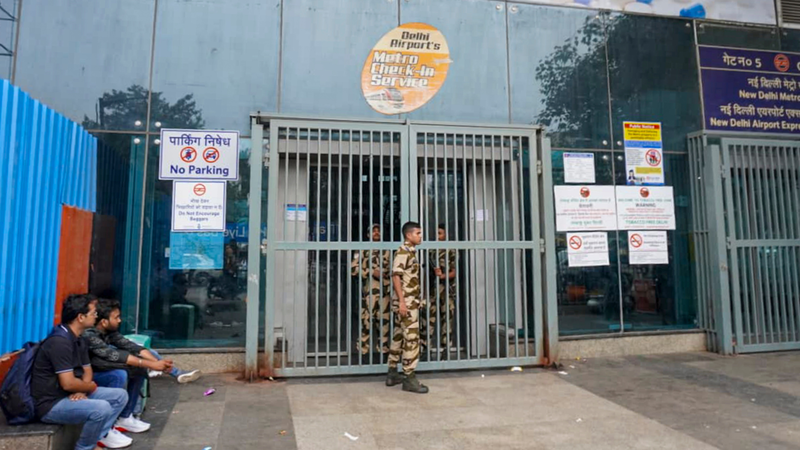
Supreme Court Hears Contempt Petition on Delhi Transit Restrictions
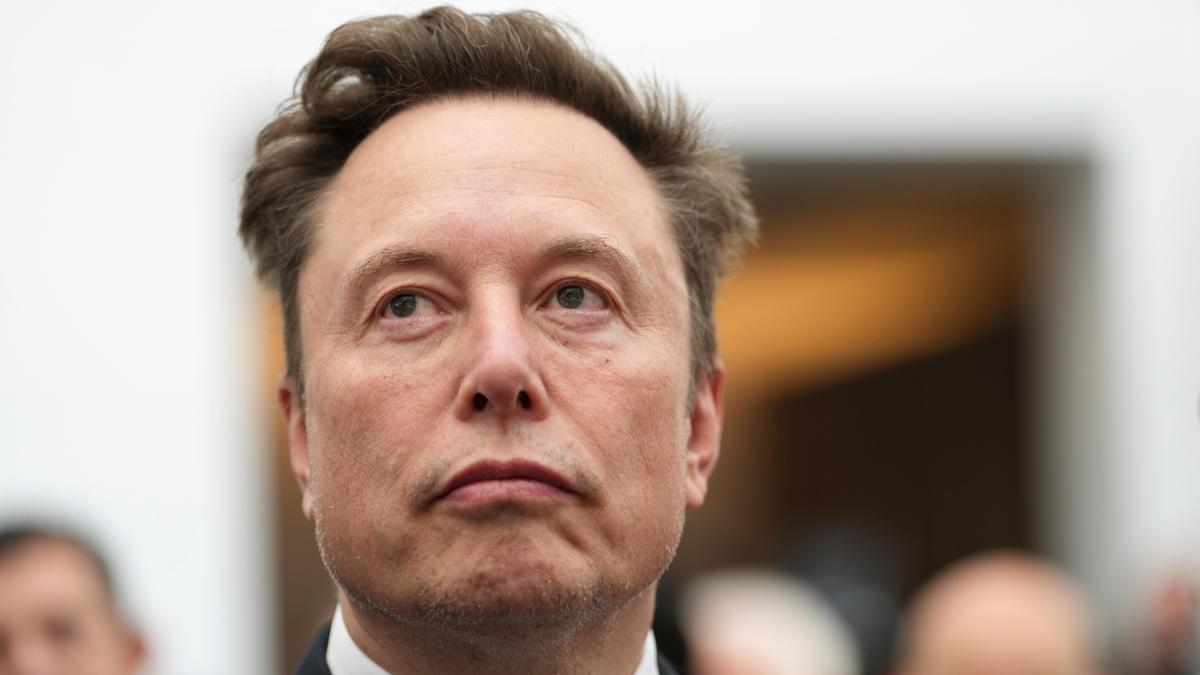
Elon Musk Criticises Mukesh Ambani Over Starlink Launch Delay