Iran Closes Strait of Hormuz Amid Ongoing Israel-Lebanon Strikes


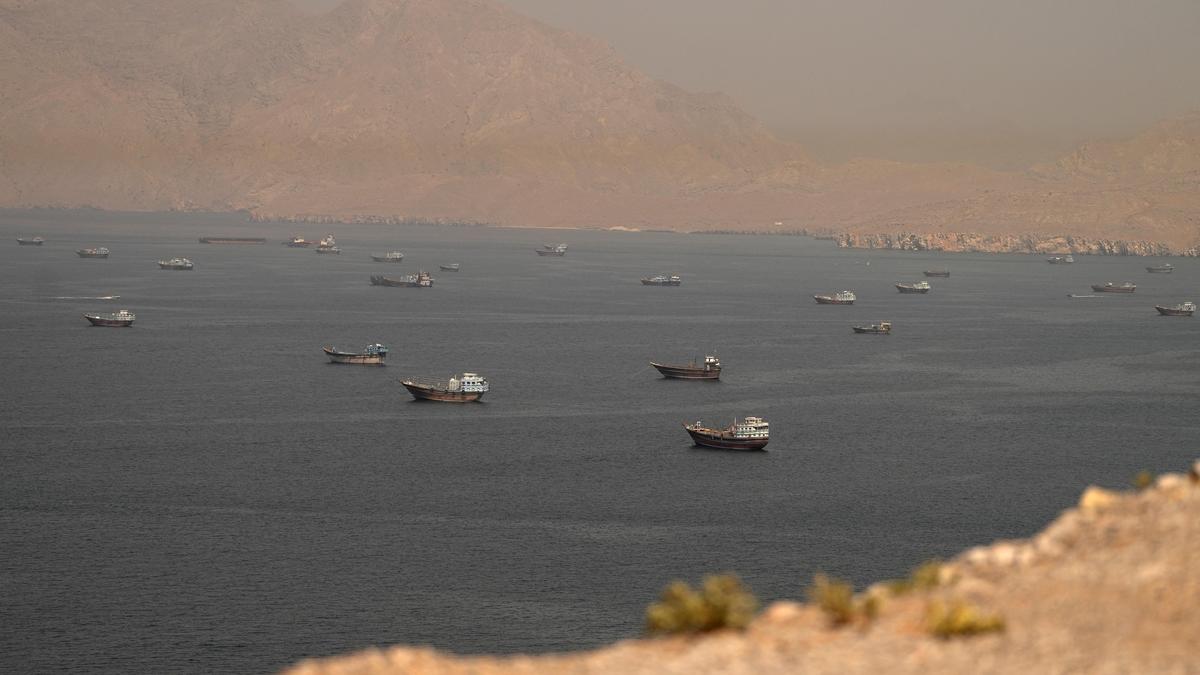
Iranian military officials confirmed on Saturday that the Strait of Hormuz has been shut to vessel traffic. This move follows accusations against the United States and Israel for breaching a recently signed ceasefire memorandum, particularly after Israel's air strikes on Lebanon persisted. According to Iran's Khatam al-Anbiya Central Headquarters, the action was in response to what they termed as consistent violations of the ceasefire agreement by Israel.
The memorandum of understanding (MoU), which came into effect on June 15, outlines the expectation of a ceasefire across all fronts, including Lebanon. The agreement was signed by US President Donald Trump and Iranian President Masoud Pezeshkian. The first clause of this document asserts the immediate and permanent cessation of military operations by both the US and Iran, as well as a commitment to preserving the territorial sovereignty of Lebanon. However, Israel has publicly expressed its intent to maintain military presence in the southern regions of Lebanon, where tensions between its forces and Hezbollah persist.
Reports indicate that numerous air strikes conducted by Israel have resulted in multiple casualties in Lebanon, with dozens killed over recent days. The Israeli military asserts these operations are retaliatory measures against alleged attacks from Hezbollah, the Iranian-supported militant group.
In light of the growing hostility, Iran's military command stated, 'This closure is the first step of response to the enemy’s breach of trust.' Additionally, they warned of potential escalated actions if Israeli aggression continued. As part of their announcement, Iran's Islamic Revolutionary Guard Corps cautioned ships to stay clear of the Strait of Hormuz, citing security threats to vessels approaching the area.
The strait is of considerable significance, as it serves as a crucial passage for global oil supplies. Earlier in the week, Iranian officials had relaxed restrictions on this strategic waterway following the MoU, prompting allegations that the US had also repealed its maritime blockade on Iran's ports. US Vice-President J.D. Vance has stated there is currently no evidence to suggest that the Strait of Hormuz remains closed, citing the passage of numerous vessels through the area in recent days.
Amidst the escalating conflict, Pakistan, acting as a mediator, has announced that technical discussions between the US and Iran are slated to resume in Geneva. Iran, asserting its grievance over the alleged ceasefire violations, intends to press the US to honour its commitments laid out in the agreement.
The turbulent situation between Israel, Iran, and Hezbollah raises concerns about the future of negotiations aimed at achieving a broader peace deal. Both Iran and its allies maintain that addressing the hostilities in Lebanon is critical for pursuing a meaningful resolution in the region. With recent ceasefire initiatives failing to uphold peace, the region faces heightened uncertainty as talks between the involved parties proceed.

ABVP Wins Majority in Delhi University Students' Union Elections

Rahul Gandhi Criticises Modi Government's Attitude Towards Students

Delhi Chief Minister Faces Scrutiny Over Ongoing Notices

Former Union Minister Detained in Punjab Protest Against CM