IndiGo Flight Disruptions Spark Outrage Among Passengers


The aviation landscape in India has faced a significant upheaval as IndiGo, the country's largest airline by market share, grapples with widespread flight cancellations and delays. Recent disruptions have left thousands of passengers stranded, raising concerns over the airline's operational management and customer service.
In a week marked by unprecedented flight cancellations, reports indicate that over 1,000 flights were grounded in a single day, causing chaos at major airports across the nation. For many travellers, the mere announcement of a delay has turned from a source of frustration to a sign of relief, as it signifies that their flight still exists amid the turmoil.
Passengers such as Soubik Majumder, who had booked a flight from Delhi to Agartala for his brother's wedding, found themselves scrambling for alternative transport after their flights were cancelled without prior notice. "I booked my ticket almost a month in advance so that I wouldn’t have to face any hassle. But due to the changes in the aviation law, I am now facing problems,” he stated.
The situation escalated when IndiGo's Chief Executive Officer, Pieter Elbers, issued a video message apologising for the turmoil, which he attributed to operational challenges. Delhi was the hardest-hit city, recording 235 cancellations, followed by Mumbai, Bengaluru, and Hyderabad.
Flight disruptions have not only impacted leisure travellers but also professionals and artists. Playback singer Abhijit Ghoshal expressed his frustration after experiencing a six-hour delay on a flight, which resulted in significant inconvenience. Other passengers reported being left without assistance, with some stranded at airports for over 14 hours.
As passengers sought clarity, many reported inadequate communication from the airline regarding their flight statuses. The lack of timely updates led to confusion and distress among those needing to reach their destinations for important events, including weddings and medical emergencies.
In response to the crisis, IndiGo announced automatic refunds for cancelled flights and waived cancellation fees for bookings made between December 5 and December 15. However, many passengers faced inflated ticket prices when trying to rebook, with some fares rising to nearly ten times their original cost. Ajay Prakash, CEO of Nomad Travel, described these price hikes as indicative of profiteering in the aviation sector.
The Ministry of Civil Aviation intervened, taking note of the soaring airfares and mandating that IndiGo process all outstanding refunds by December 7. The ministry emphasized the importance of fair pricing during such disruptions and instructed airlines not to charge rescheduling fees for impacted passengers.
As operations at IndiGo began to gradually resume, the airline's stock price took a hit, dropping over 7% in recent trading sessions. Additionally, the airline's on-time performance plummeted, with figures revealing that only 8.5% of flights were on schedule at one point during the crisis.
Looking forward, the Ministry of Civil Aviation has stated that restoring normalcy is their immediate priority, with close monitoring of IndiGo’s scheduling practices and compliance with operational norms. The turbulence in the aviation sector has exposed vulnerabilities within the system, prompting discussions on how to safeguard against future disruptions.
As passengers continue to navigate the fallout from IndiGo’s operational challenges, the emotional toll of uncertainty remains high. For many, the experience has highlighted the critical need for reliable air travel, where the most sought-after commodity is not just a seat, but the assurance of a timely departure.

Ceasefire Agreed in Oleshky Amid Ukraine's Humanitarian Crisis
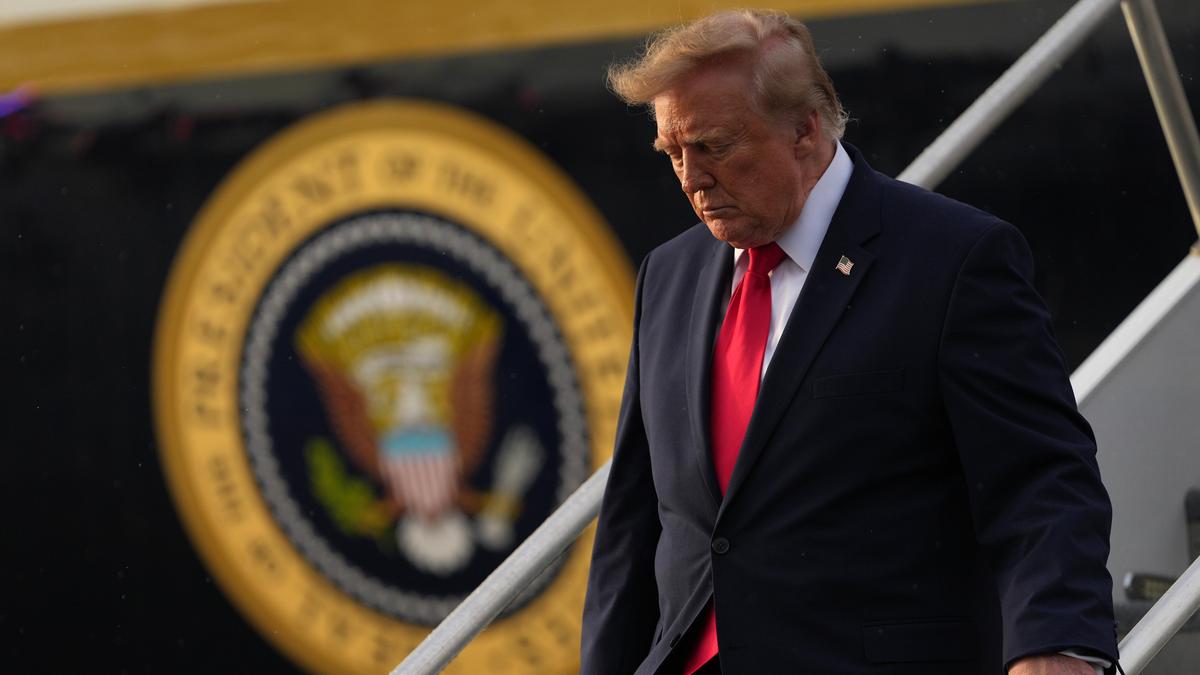
Donald Trump Hints at US Interest in Cuba After Conflict in Iran

UK Court Rules Against India in RAKIA Investment Dispute
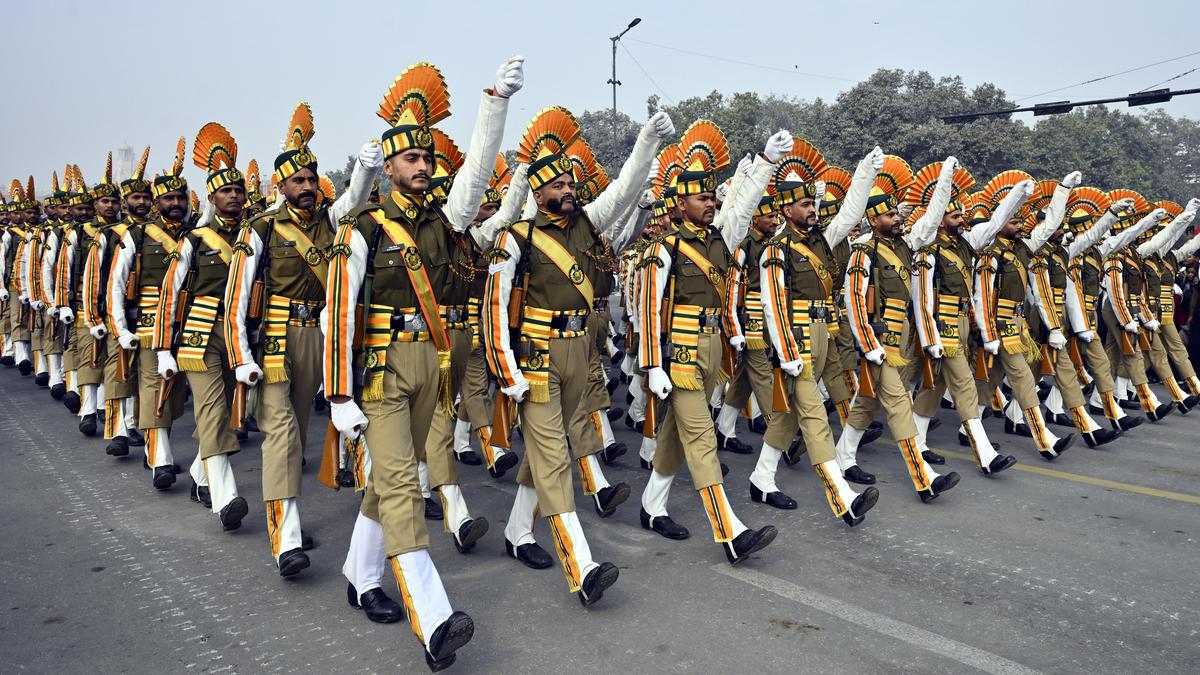
India Raises Concerns Over Chinese Border Patrolling Deviations