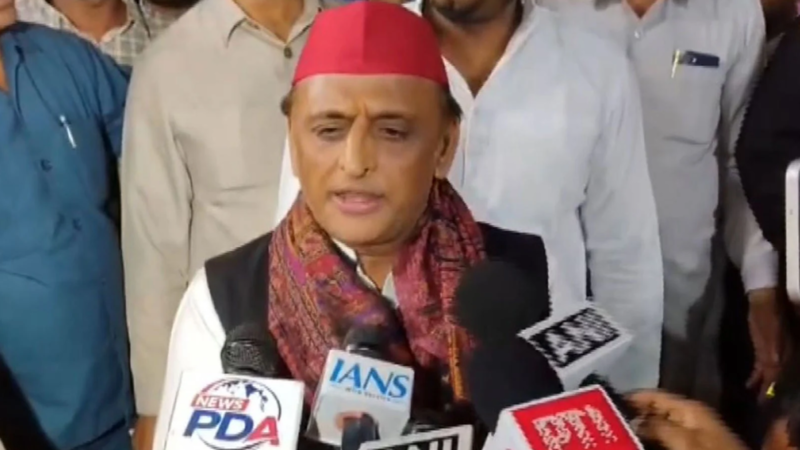
India's Right to Disconnect Bill Aims to Enhance Employee Wellbeing


The Indian Parliament's Lok Sabha has seen the introduction of a private member's Bill aimed at safeguarding employees' rights to disconnect from work after official hours. Supriya Sule, a member of the Nationalist Congress Party, presented the 'Right to Disconnect Bill, 2025' on 6 December 2025. This legislation seeks to address the increasing concerns over employee burnout and work-life balance in the context of a digital work environment.
Key Provisions of the Bill The Right to Disconnect Bill stipulates that all employees shall have the right to refrain from engaging in work-related communications, including calls and emails, outside of their designated work hours and on holidays. Companies that fail to comply with these provisions may face penalties amounting to 1% of the total remuneration paid to their employees.
In her statement on the social media platform X, Supriya Sule emphasised the need for a healthier work-life balance, stating, "It aims to foster a better quality of life and a healthier work-life balance by reducing the burnout caused by today's digital culture." The Bill highlights the detrimental impact of constant connectivity, which can lead to mental health issues such as sleep deprivation and emotional exhaustion.
Concerns Over Digital Work Culture With the advent of advanced digital communication technologies, the boundaries between personal and professional lives have become increasingly blurred. The Bill notes that a phenomenon termed 'telepressure'—the incessant urge to respond to work communications—has significantly eroded the work-life balance for many employees. Additionally, a study cited in the Bill warns of 'info-obesity,' a condition where constant monitoring of work messages overwhelms an employee's cognitive capacity.
The proposed legislation seeks to respect employees' personal spaces by allowing them to disconnect from work-related demands outside their official hours. It also acknowledges the necessity for flexibility, permitting individual companies to negotiate specific terms with their employees regarding out-of-hours work.
Addressing Unpaid Overtime The Right to Disconnect Bill further advocates for fair compensation for employees who may choose to work beyond their official hours. It suggests that such employees should receive overtime pay at their standard hourly rate. This provision aims to combat the rising trend of unpaid overtime, which has been exacerbated by the digital transformation of workplaces.
Promotion of Digital Detox Another significant component of the Bill is the establishment of counselling services designed to cultivate awareness about the reasonable use of digital tools for both professional and personal purposes. The Bill also proposes the creation of digital detox centres to help employees disconnect from their work-related digital distractions and foster genuine connections with their immediate surroundings.
Broader Legislative Context The Right to Disconnect Bill is part of a broader package of legislation introduced by Supriya Sule, which includes the Paternity and Paternal Benefits Bill, 2025, aimed at providing paid paternal leave, and the Code on Social Security (Amendment) Bill, 2025, which aims to protect gig workers. Sule's legislative efforts reflect a growing recognition of the need to modernise employment laws in India to better support the rights and welfare of employees.
Public Support for Disconnect Policies Recent surveys indicate substantial public support for formalising a Right to Disconnect policy in India. A study conducted by the global job platform Indeed revealed that 79% of employers viewed such measures positively, particularly in light of rising discussions regarding employee overwork and burnout. Notably, the survey found that 88% of employees reported being contacted outside of work hours, creating a culture of expectation to remain available at all times.
In conclusion, the Right to Disconnect Bill, if enacted, could represent a significant step towards improving employee wellbeing and establishing clearer boundaries between work and personal life in India's evolving digital landscape. The ongoing debates surrounding this legislation reflect a broader societal shift towards recognising the importance of work-life balance in the modern workplace.

Ceasefire Agreed in Oleshky Amid Ukraine's Humanitarian Crisis
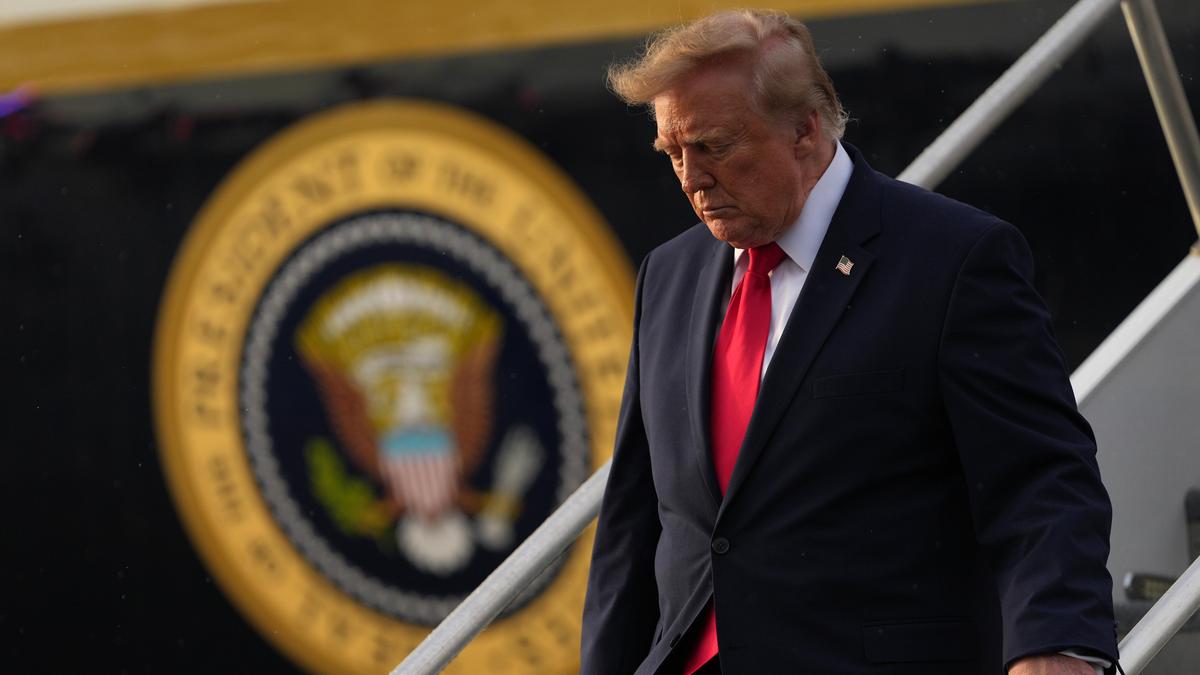
Donald Trump Hints at US Interest in Cuba After Conflict in Iran

UK Court Rules Against India in RAKIA Investment Dispute
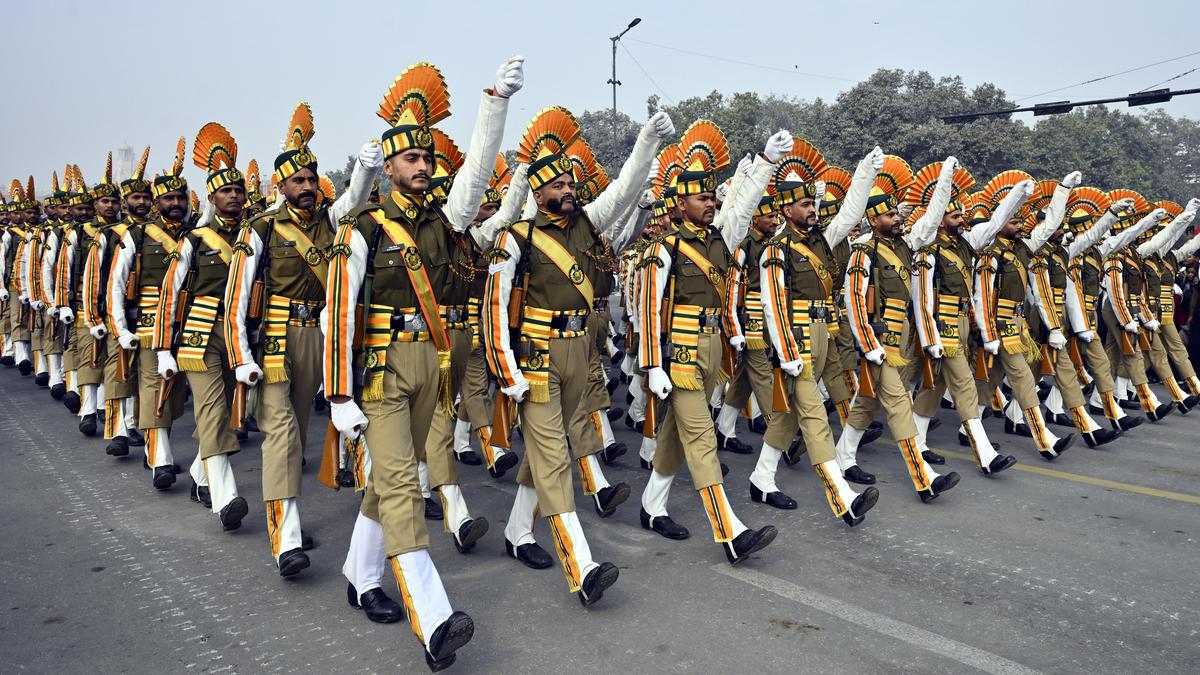
India Raises Concerns Over Chinese Border Patrolling Deviations