Indians Prioritise Symptoms Over Preventive Healthcare Measures


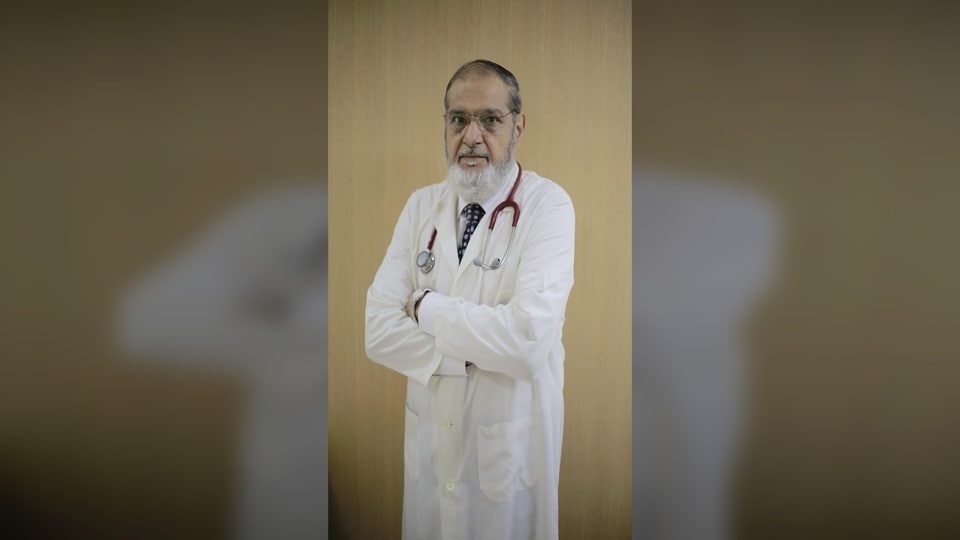
The approach of many Indians towards healthcare seems to hinge primarily on the presence of symptoms, leading to urgent reactions rather than preventive measures. While initial consultations and treatments occur swiftly once health issues arise, the reluctance to seek healthcare before symptoms appear raises concerns.
Currently, many people in India view their health status through the lens of illness rather than prevention. This perspective creates what is termed a 'prevention gap,' which refers to the distance between identifying health risks and acting upon them. Although awareness of health is not lacking, chronic reliance on reactive healthcare means that routine evaluations and preventive check-ups are frequently relegated to the background.
Busy lifestyles significantly contribute to this pattern. Non-urgent health assessments often take a back seat amid the competing priorities of work and family. Preventive tests are generally perceived as optional rather than essential, resulting in delayed action. Furthermore, there is an underlying apprehension about discovering potential health issues when one currently feels well.
The implications of this approach are serious. Non-communicable diseases such as diabetes, hypertension, and various cancers can remain undetected for years. Nearly half of those with diabetes in India may remain undiagnosed until the condition has progressed significantly. Such delayed identification often leads to the need for more intensive interventions than would have been necessary had the condition been identified earlier.
Preventive care needs to be redefined to close the prevention gap. While routine screenings are a necessary starting point, they alone cannot bridge this gap. A comprehensive health check-up programme is essential to identify potential health risks early. These assessments should consider individual factors such as age, gender, and personal risk profiles to make preventive care more relevant.
Healthcare providers must also evolve to meet this challenge. The responsibility should not fall solely on individuals to seek preventive measures. For many, hospitals and clinics are places solely associated with illness, rather than preventive care. By adopting a more continuous approach to health management, healthcare providers can help individuals understand risks and act accordingly before conditions become critical.
India has already made strides in improving access to preventive services through expanded community health infrastructure and increased focus on early detection. The ongoing challenge remains ensuring that the results of health assessments translate into actionable steps. The aim should be to foster a culture that values preventive health, recognising that good health extends beyond the absence of symptoms.
This paradigm shift is essential for a more effective healthcare strategy in India, where paying attention to health proactively could substantially enhance the quality of life and manage chronic conditions more effectively.

ISRO Successfully Launches NVS-03 Satellite to Enhance NavIC System
Indian Prime Minister Modi Criticises Opposition Amid Global Crisis

Helicopter Crash in Uttarakhand Claims Six Lives, Including Police Officer

Gujarat High Court Reinstates Meat Ban Near Somnath Temple