Gujarat High Court Reinstates Meat Ban Near Somnath Temple


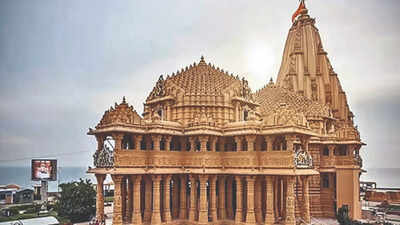
The Gujarat High Court has reinstated a ban on the sale of meat near the Somnath temple, mere hours after a single-judge bench lifted the restriction. This development occurred on Friday when the court was addressing a petition from six restaurants that opposed the state government’s directive, which was initially imposed on August 10.
The single-judge bench allowed the restaurants’ plea at 3 pm, striking down the ban on the condition that no changes had been seen on the ground since the original order. However, shortly after this ruling, the state government’s legal representatives sought to challenge the judgement, arguing for a stay, which the judge declined.
In response, the state filed an urgent appeal before a division bench, which heard the matter later in the day. By 7 pm, the division bench had reinstated the meat ban, stating that it would conduct a further hearing on the case on December 26.
During the earlier proceedings, the state government defended the ban, citing the temple's religious significance and the high number of pilgrims visiting the site. The government referred to past court decisions regarding similar restrictions in other religious locations such as Amritsar, Haridwar and Rishikesh, asserting that the Somnath area should not be regarded as an average commercial district.
The state argued that the ban was limited to specific routes frequented by worshippers rather than being imposed across the entire town of Somnath. In contrast, the restaurants contended that the ban extended beyond the authorities' legal powers under the Gujarat Police Act, which pertains to public place regulations but not to their businesses. They also claimed that the prohibition would severely impact the livelihoods of many employees and that there had been no evidence of disruptions linked to meat sales in the area.
This legal dispute highlights the ongoing tensions between religious practices and commercial freedoms in regions where cultural sensitivities are pronounced. The outcome of the re-instituted ban will likely have implications for local businesses and the tourism sector as it prepares for increased visitor numbers during the upcoming festive season.
In the context of Indian law, the debates surrounding public consumption and religious sentiments continue to shape legislative decisions and judicial interpretations, reflecting the complex intersections of culture, faith, and commerce.
ISRO Successfully Launches NVS-03 Satellite to Enhance NavIC System
Indian Prime Minister Modi Criticises Opposition Amid Global Crisis

Helicopter Crash in Uttarakhand Claims Six Lives, Including Police Officer
India Makes Significant Advances in Poverty Reduction, Says World Bank