Indian Gold and Silver Futures Suffer Historic Market Drop


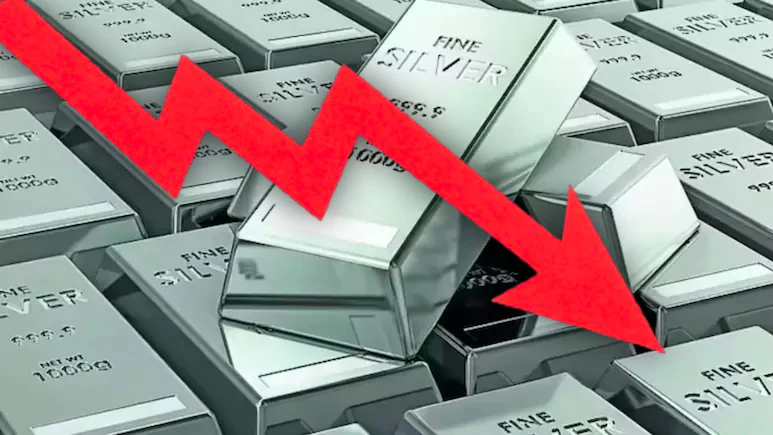
On January 30, 2026, India's gold and silver futures market witnessed its most significant drop since March 27, 1980. The plunge occurred amid rising fears regarding the appointment of Kevin Warsh as the next chair of the United States Federal Reserve. The sell-off was characterised by a sharp shift in global macroeconomic signals, leading investors to realise profits in the precious metals market.
Gold futures tumbled by 17.5 per cent, declining by ₹3,266 per gram on the Multi Commodity Exchange (MCX), closing at ₹1,53,119 per 10 grams. Similarly, silver futures plummeted by an astonishing 27 per cent, translating to a reduction of ₹1.08 lakh per kilogram, ultimately ending at ₹2,91,925 per kilogram.
In the global arena, gold prices had previously surged to $5,608 per ounce earlier in the week, but sharply reversed to $4,887 by the market's close on Friday. Similarly, silver experienced a decline from a weekly peak of $122 per ounce to $84.63 by the end of trading.
Traders attribute the drastic fall in precious metals to the implications of Warsh's appointment, who is perceived as a hawkish figure prioritising inflation control. His likely approach towards maintaining tighter monetary conditions has alarmed investors, prompting fear that higher interest rates will strengthen the dollar and reduce gold and silver's attractiveness as an investment.
Consequently, speculators who had previously invested heavily in exchange-traded funds (ETFs) began liquidating their positions. Data from the World Gold Council indicates that assets managed by ETFs surged to $558 billion in early January 2026, a 260 per cent increase since January 2024. This follows a year when investments in such funds reached $88.56 billion, while this year has seen a cash-out of approximately $14 billion as investors responded to the shifting economic landscape.
Despite the significant downswing, analysts note that both gold and silver are still showing overall gains for the year, with gold up by 13 per cent and silver by 18.5 per cent. Concerns over geopolitical tensions, including unrest in Iran and ongoing trade disputes, previously contributed to the robust performance of these precious metals.
Industry experts point out that the current volatile market conditions have redefined investor sentiment and strategies. A local trader noted, “The appointment of Warsh has created uncertainty in the market, leading many to reconsider their positions.” Although the current downturn has been stark, it remains to be seen how these developments will shape the longer-term trajectory for gold and silver investments in India and globally.
As traders await further announcements regarding the Bullion and Jewellers Association's price ratification for the weekend, many are keeping a close eye on future movements in both the stock and commodities markets. Past events such as the “Silver Thursday” collapse serve as reminders of the potential volatility characterising precious metals trading.
In the wake of this market turmoil, investors are advised to remain vigilant and informed about the ongoing shifts in macroeconomic conditions and their potential implications for the commodities market.

Mamata Banerjee Challenges Election Commission in Supreme Court
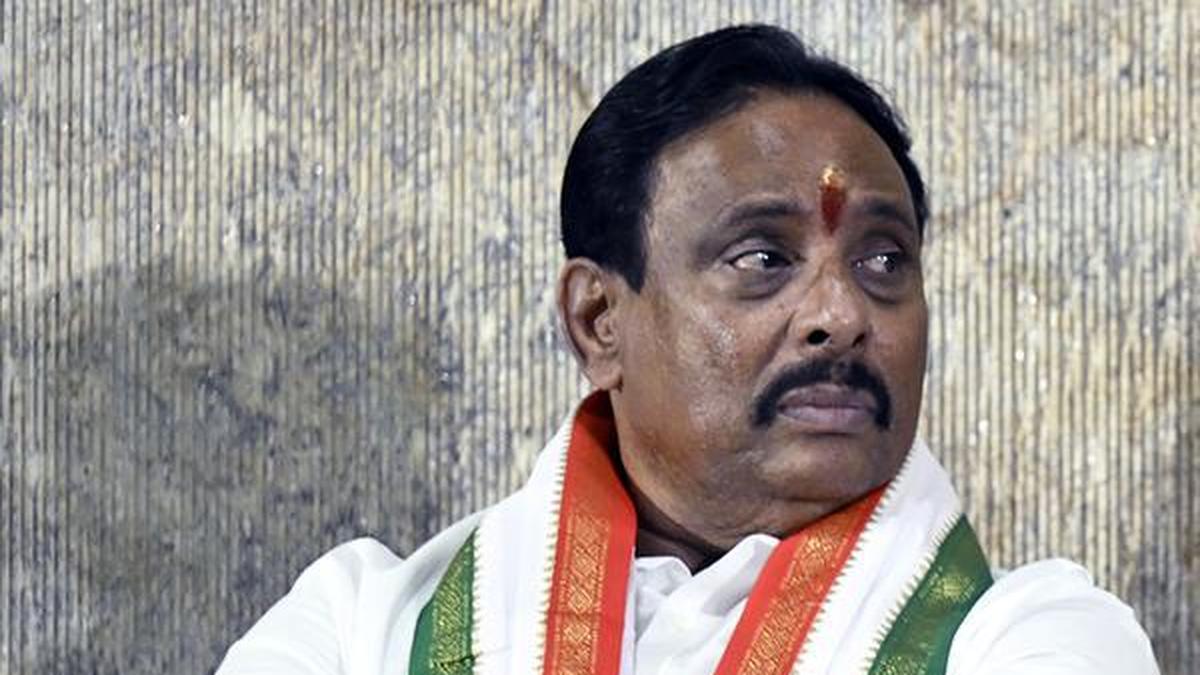
Telangana High Court Disqualifies MLA Danam Nagender Amid Political Fallout

Scottish Sikh Man Receives Bail in India After Nine-Year Detention

Delhi Police Investigate Gang-Rape and Murder of 16-Year-Old Girl