Putin Agrees to Cease Strikes on Kyiv Until February 1, 2026


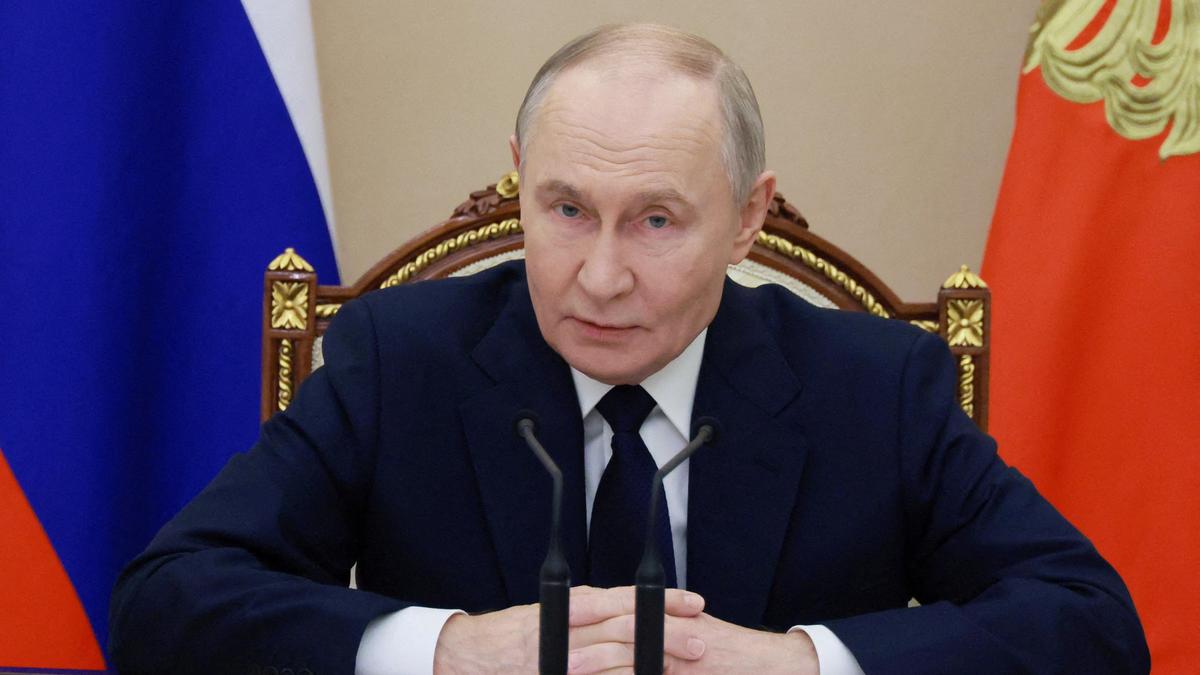
Russian President Vladimir Putin has confirmed that he will abide by a request from U.S. President Donald Trump to suspend military strikes on the Ukrainian capital, Kyiv, until February 1, 2026. This decision was made public on January 30, 2026, amid ongoing discussions about fostering a conducive environment for potential peace negotiations.
Dmitry Peskov, the spokesperson for the Kremlin, acknowledged in a media briefing that there was a direct plea from President Trump to refrain from attacking Kyiv for a limited period. Peskov stated, 'Yes of course, there was a personal request from President Trump.' However, he did not elaborate on whether this agreement extends solely to Kyiv or encompasses the entire nation of Ukraine.
President Trump initially revealed the agreement on January 29, indicating that Putin had consented to suspend attacks, citing cold weather as a contributing factor, although this detail was not mentioned by Peskov.
As winter intensifies, Kyiv has been undergoing severe disruptions. The strikes launched by Russian forces since the onset of the war in Ukraine in February 2022 have resulted in many residents facing harsh conditions, with numerous apartments experiencing a lack of heating and power. In response to Russia's decision, the Ukrainian government has indicated that it would reciprocate if Moscow opts not to target Ukrainian energy infrastructure during this period.
This pause in military actions comes as tensions remain high between the two nations, with hopes that a cessation could lead to more extensive peace talks in the future. The international community is closely observing these developments, as the ongoing conflict has significant implications for regional stability and global security.
The backdrop of these negotiations is significant, given the lasting impact of the Ukraine conflict, which has drawn widespread condemnation and sanctions against Russia from various countries. Both leaders are under pressure to demonstrate progress towards peace, with many citizens in the affected regions yearning for relief from the ongoing violence.
As the situation continues to evolve, both governments appear to be attempting to navigate the complex political landscape that surrounds the enduring conflict. The outcome of these negotiations could pave the way toward a potentially significant turning point in the relations between Russia and Ukraine.

Bilateral Meetings and Side Conversations Mark Global Summit
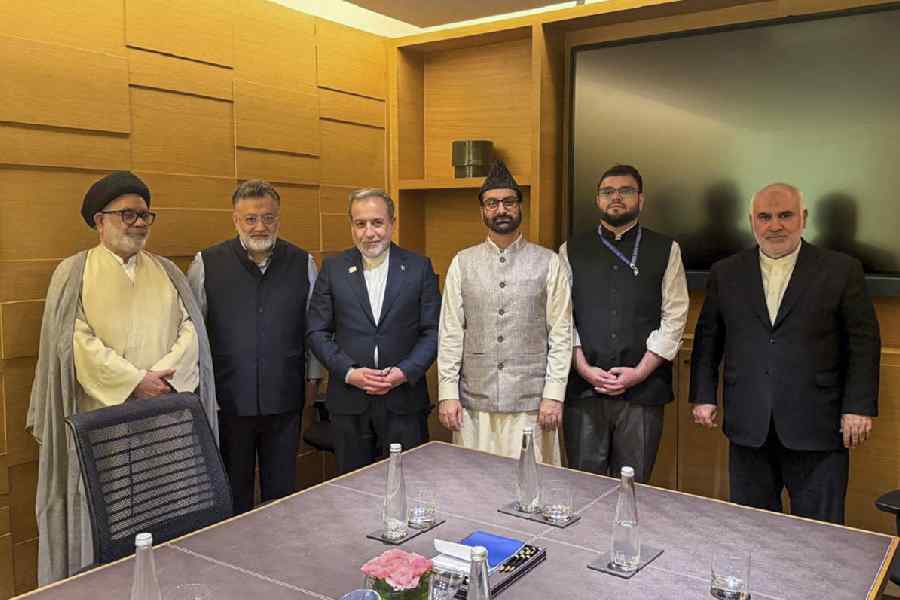
UAE and Iran Leaders Discuss Relations at BRICS Summit
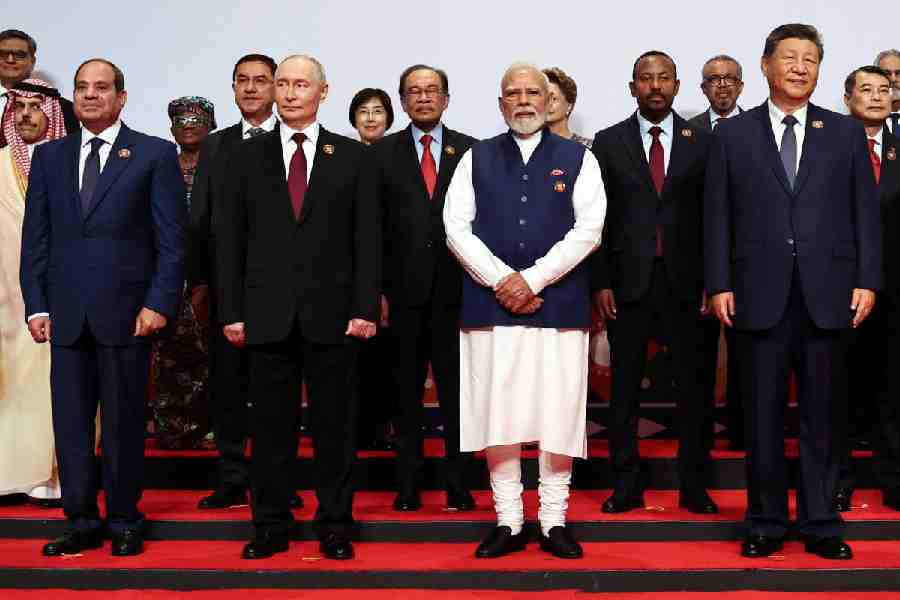
BRICS Summit Highlights Concerns Over Critical Minerals and Technology
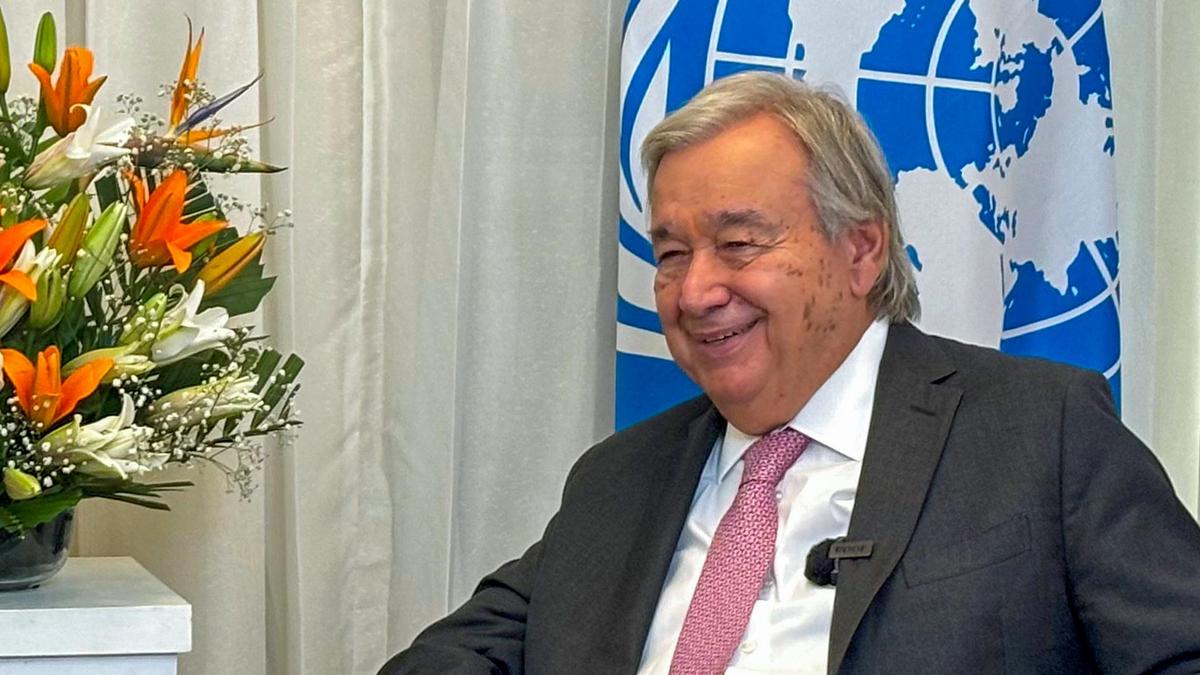
UN Secretary-General Discusses Security Council Challenges