Venezuelan Reform Law Promises Oil Sector Privatisation Amid US Sanctions Easing


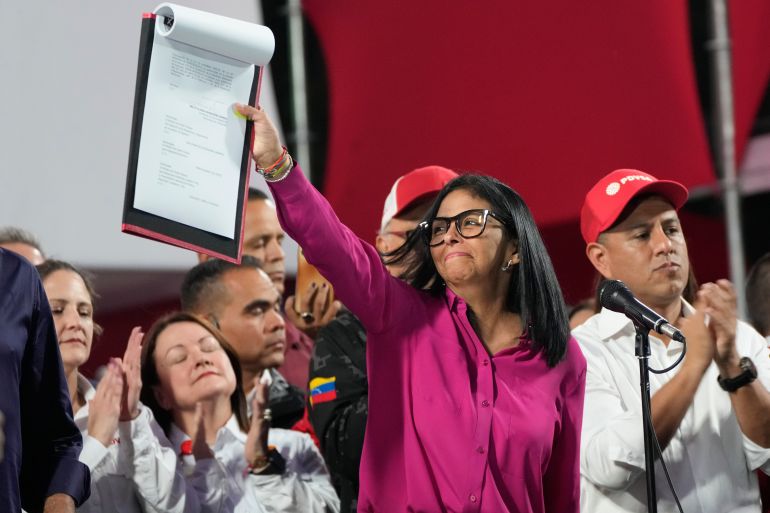
In a significant move, Delcy Rodriguez, the interim President of Venezuela, has enacted a reform bill aimed at privatising the country's nationalised oil sector. The legislation was signed during a ceremony on Thursday, which included participation from state oil workers, signifying a shift in the nation’s approach to foreign investment. Rodriguez described the reform as a crucial step for revitalising the Venezuelan economy, stating, “We are talking about the future. We are talking about the country that we are going to give to our children.”
The National Assembly, which is predominantly composed of members from Rodriguez's United Socialist Party, passed the reform bill shortly before the signing took place. Jorge Rodriguez, head of the assembly and Delcy's brother, echoed optimism about the changes, mentioning, “Only good things will come after the suffering.”
This legislative development follows increased pressure from the Trump administration, which has urged Venezuela to allow more foreign access to its extensive oil reserves. The United States has previously imposed stringent sanctions on Venezuela’s oil sector to disrupt funding for the government, particularly under the leadership of former President Nicolas Maduro. Following the US military's controversial abduction of Maduro and his wife on January 3, the Trump administration has pushed Delcy Rodriguez to open up the oil sector to foreign actors.
The new law will enable private enterprises to gain control over the production and sale of Venezuelan crude oil, including provisions that require disputes to be resolved in foreign courts rather than Venezuelan judicial systems. This particular change has been favoured by overseas companies, which have long voiced concerns over the strong influence of government on the judiciary.
Additionally, the reform will limit government royalties from oil production to 30 percent. This move is viewed as a strategy to make Venezuela's oil market more attractive to international investors, many of whom have remained hesitant due to the political and economic instability that has characterised the nation under Maduro's regime.
Simultaneously with Rodriguez's announcement, the US Treasury Department unveiled plans to ease certain sanctions on the sale of Venezuelan oil. These changes permit restricted transactions related to the export and sale of Venezuelan oil by US entities, a shift from the comprehensive sanctions imposed in 2019.
Supporters of the new measures argue they can stimulate investment in a sector that has suffered extensive declines. However, uncertainty remains regarding the overarching political climate in Venezuela. As Maduro is currently awaiting trial in a New York prison, criticisms have been directed towards the US for allegedly violating Venezuelan sovereignty in its handling of the country’s leadership and resource management.
Historically, Venezuela has had full control over its oil sector since nationalisation in the 1970s, a move that was further solidified under Hugo Chavez in 2007, who pursued policies to expand government control over oil resources.
In light of these recent developments, US officials have indicated that Washington will dictate the terms of oil sales and manage the proceeds, reportedly directing revenue into a US-controlled bank account. This strategy has raised legal and ethical questions regarding the sovereignty of Venezuela but has received backing from the Trump administration, which insists that Venezuelan oil should predominantly benefit American interests.

Mamata Banerjee Challenges Election Commission in Supreme Court
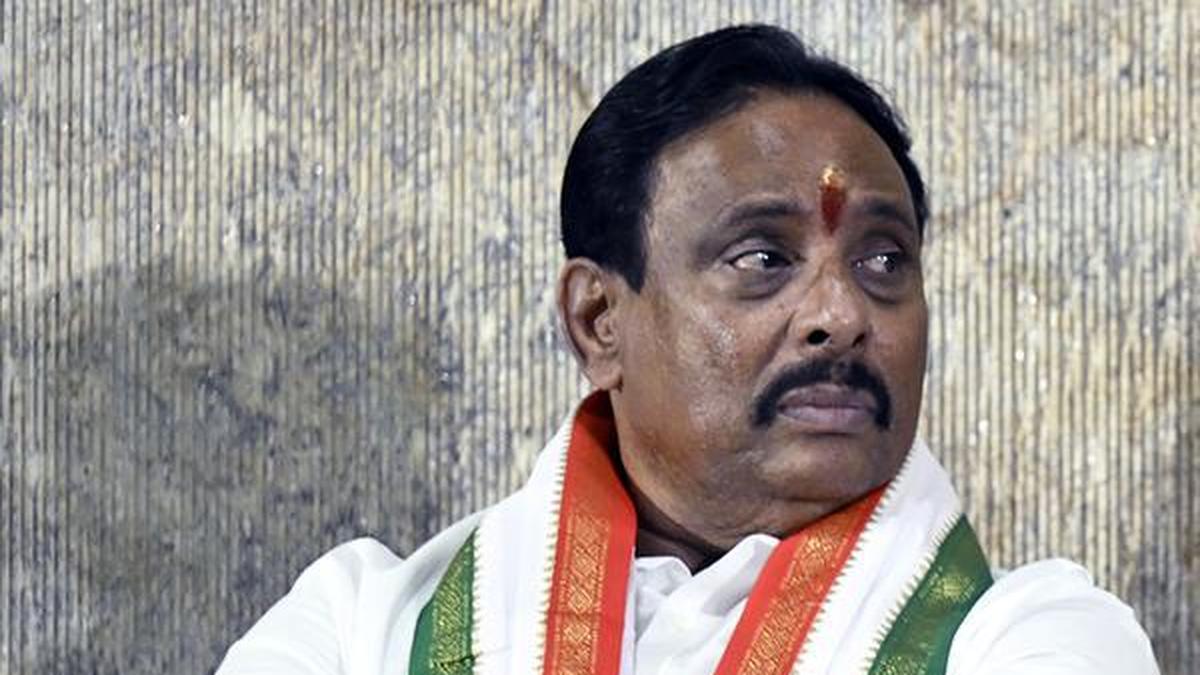
Telangana High Court Disqualifies MLA Danam Nagender Amid Political Fallout

Scottish Sikh Man Receives Bail in India After Nine-Year Detention

Delhi Police Investigate Gang-Rape and Murder of 16-Year-Old Girl