India Withdraws 14 Quality Norms to Support Key Manufacturing Sectors


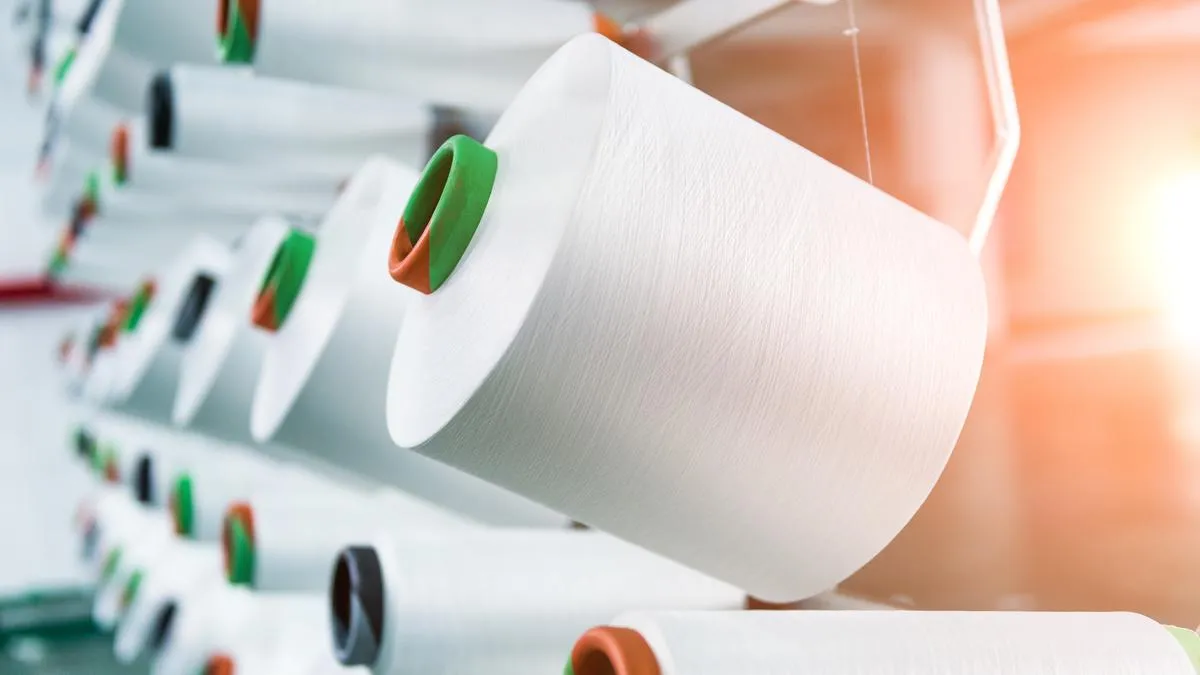
In a significant regulatory shift, the Indian government has announced the withdrawal of 14 Quality Control Orders (QCOs) issued by the Bureau of Indian Standards (BIS). This decision, effective immediately, aims to provide relief to vital manufacturing sectors, including chemicals, plastics, and textiles.
The Ministry of Chemicals and Fertilisers published the notification confirming the removal of these standards, which previously affected crucial polymer and fibre intermediates. The list of materials impacted includes Terephthalic Acid (PTA), Ethylene Glycol (EG), and various industrial plastics such as Polypropylene (PP), Polyethylene (PE), and Polyvinyl Chloride (PVC).
According to the Ministry, the primary objective of this withdrawal is to ensure a consistent supply of raw materials, simplify import processes, and reduce costs for downstream industries, particularly micro, small, and medium enterprises (MSMEs). These sectors are vital for manufacturing textiles, packaging, and moulded plastic products.
By eliminating the requirement for mandatory BIS certification, the government aims to streamline compliance for manufacturers and importers, thereby reducing redundant testing and expediting approval procedures. Industry leaders anticipate that these changes will enhance operational efficiency and allow companies to better manage production schedules.
The announcement has been met with a mixture of relief and concern within the manufacturing community. Some industry officials believe this decision will bolster global competitiveness, particularly for businesses reliant on imported materials. "This move is likely to improve our ability to compete internationally," noted an industry representative.
However, there are voices within the sector advocating for the retention of quality control norms, arguing that these standards have fostered local production and improved product quality. Frank Scholeder, the Managing Director of Hafele India, a subsidiary of a German furniture fittings company, expressed concerns about the removal of these regulations. He stated, "Quality control orders have helped accelerate our drive for localisation and enhance quality in India."
Similarly, manufacturers in various sectors, including insulated flasks and screws, have reported growth linked to the enforcement of these QCOs. Vikas Jain from Nanobot Houseware Solutions highlighted that the introduction of these standards had enabled 75 licenses to be issued to domestic manufacturers, encouraging major brands to shift focus towards local production.
While some manufacturers welcome the easing of regulations, others caution that such changes may hinder the momentum built over the past year. Anil Bedi from the Roller Chain Manufacturer Association called for more stringent QCOs, suggesting that their absence could undermine the government's "Make in India" initiative.
The withdrawal of these quality norms will likely have a lasting impact on the manufacturing landscape in India, as industry players navigate the balance between regulatory burdens and the need for competitive flexibility in a rapidly evolving global market.

BJP Allies Urge Election Commission to Address Public Concerns

Thousands of Ganesh Idols Immersed in Telangana Festivities

Jaishankar Calls Attacks on Civilian Shipping ‘Indefensible’
Indian Prime Minister Urges Integration of Social Reforms in Governance