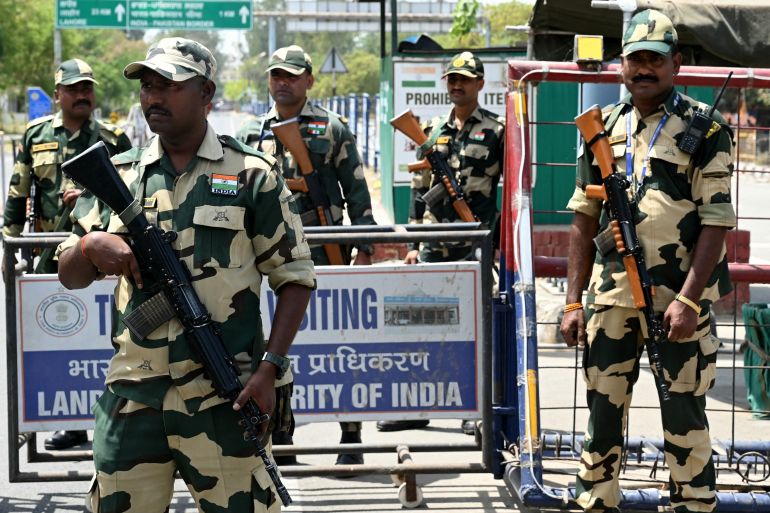
India Rejects Third-Party Involvement in Nepal Border Dispute


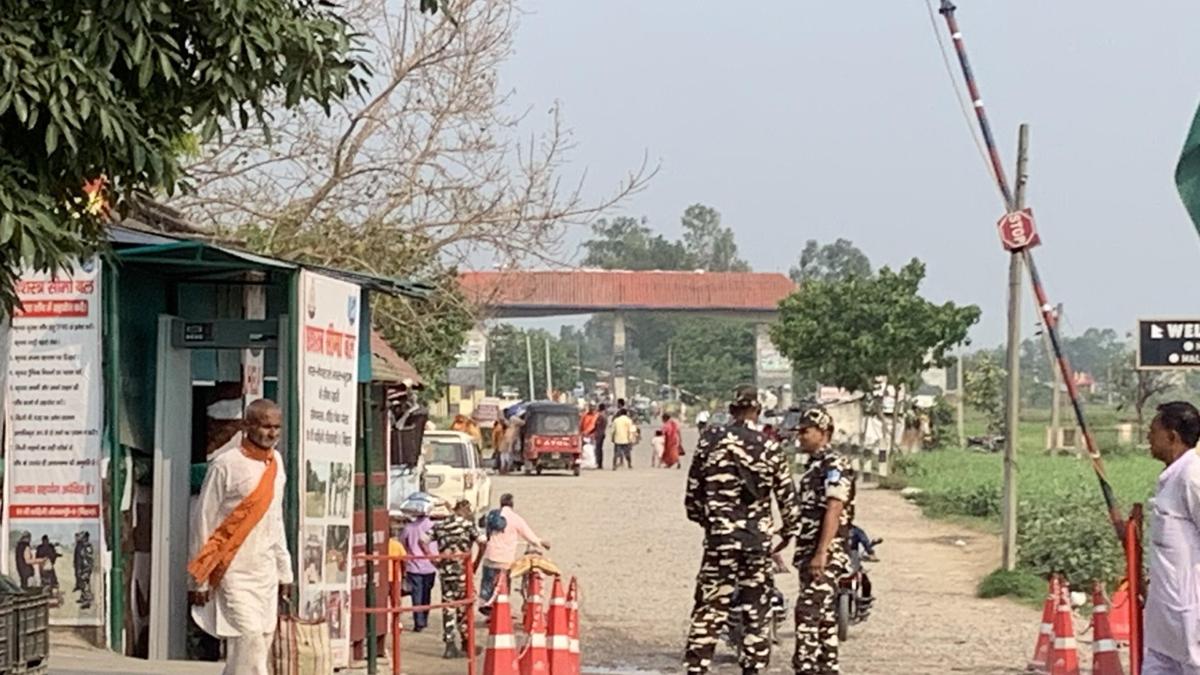
The ongoing border dispute between India and Nepal has prompted new discussions following remarks from Nepal's Prime Minister Balendra Shah. On 2 June 2026, the Indian Ministry of External Affairs (MEA) reasserted its stance that such issues must be resolved without third-party involvement.
The border conflict primarily concerns the regions of Kalapani, Limpiyadhura, and Lipulekh, which both countries claim. Historically, India maintains that these territories belong to Uttarakhand. The MEA's comments follow Prime Minister Shah's assertion in Nepal's Parliament that the dispute involves territory claimed by both nations. Shah indicated the need for mutual understanding and proposed seeking the assistance of historians and surveyors, even suggesting countries like the United Kingdom and China be involved, considering historical maps.
Responding, MEA spokesperson Randhir Jaiswal clarified that bilateral frameworks for handling border disputes have been established. He stated, "It should be clear to all concerned that there is no role for any third parties in a bilateral matter between India and Nepal.” This reiteration of India's position comes amidst Shah's controversial remarks, which have stirred significant political reactions in Nepal.
During his parliamentary address on 31 May, Shah claimed that not only has Indian territory been encroached upon by Nepal, but vice versa occurs at several points along the border. His comments have sparked outrage, with opposition parties and students in Nepal calling for his resignation. Protesters rallied in Kathmandu under slogans advocating for national sovereignty, expressing concern that acknowledging any encroachment could undermine Nepal's negotiating power.
With history as context, the border dispute traces back to the 1816 Treaty of Sugauli between Nepal and the British East India Company, which identified the Kali River as the western boundary of Nepal. Currently, disagreement revolves around the river's source, with Nepal asserting that it originates at Limpiyadhura, while India argues for a different location that supports its claim to Kalapani.
The MEA spokesperson indicated that approximately 98% of the India-Nepal border has been demarcated but acknowledged unresolved segments and instances of encroachments in no-man’s land. As negotiations continue, the Indian government emphasised its commitment to resolving boundary issues through established bilateral mechanisms.
The developments coincide with the visit of Rabi Lamichhane, Chairman of the Rastriya Swatantra Party in Nepal, who met with India’s External Affairs Minister S. Jaishankar. Jaishankar described the discussions as focusing on developmental partnerships and strengthening ties between the two nations.
The border issue remains a pivotal aspect of India-Nepal relations, underscoring the need for careful diplomacy and sustained dialogue. Both countries share shared cultural, economic, and social ties, necessitating a collaborative approach to resolve tensions regarding territorial claims.
Kerala Initiates Probe into 2006 Suicide Case Involving CEC
Extradition of Sheikh Hasina Feasible, Says Indian High Commissioner

Punjabi Makeup Artist Mad Sandhu Shot Dead in Amritsar
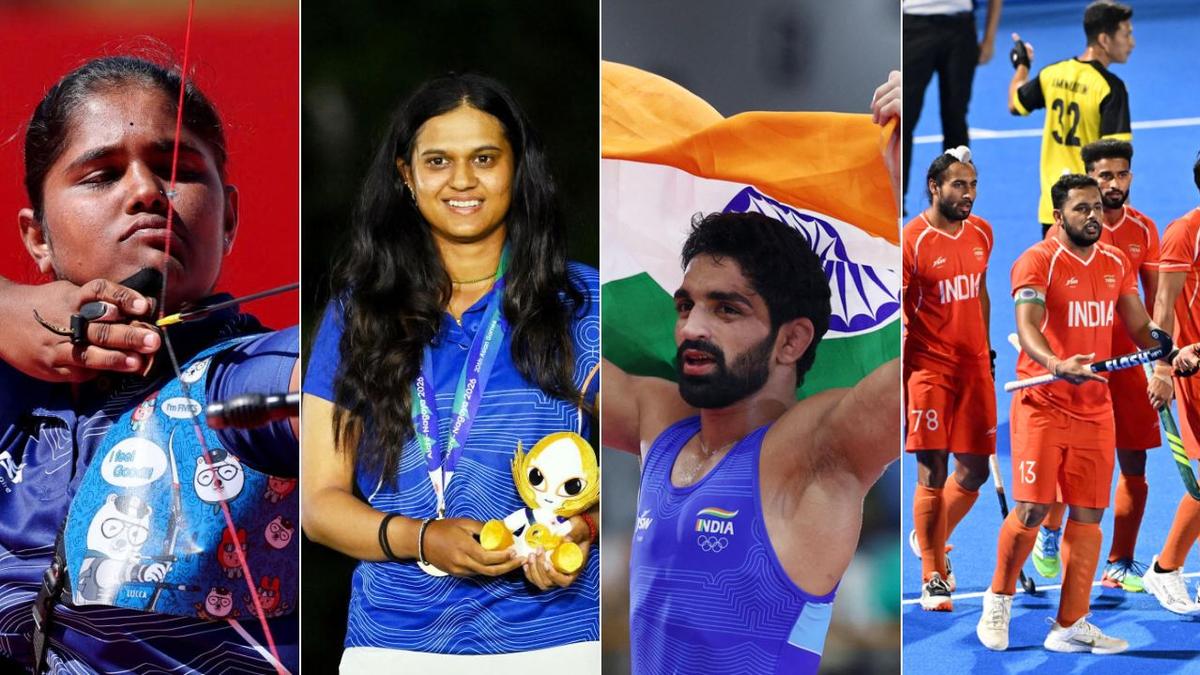
India Achieves Fourth Place at Asian Games 2026 Through Late Success