Iran President Signals Tougher Stance After Apology to Neighbours


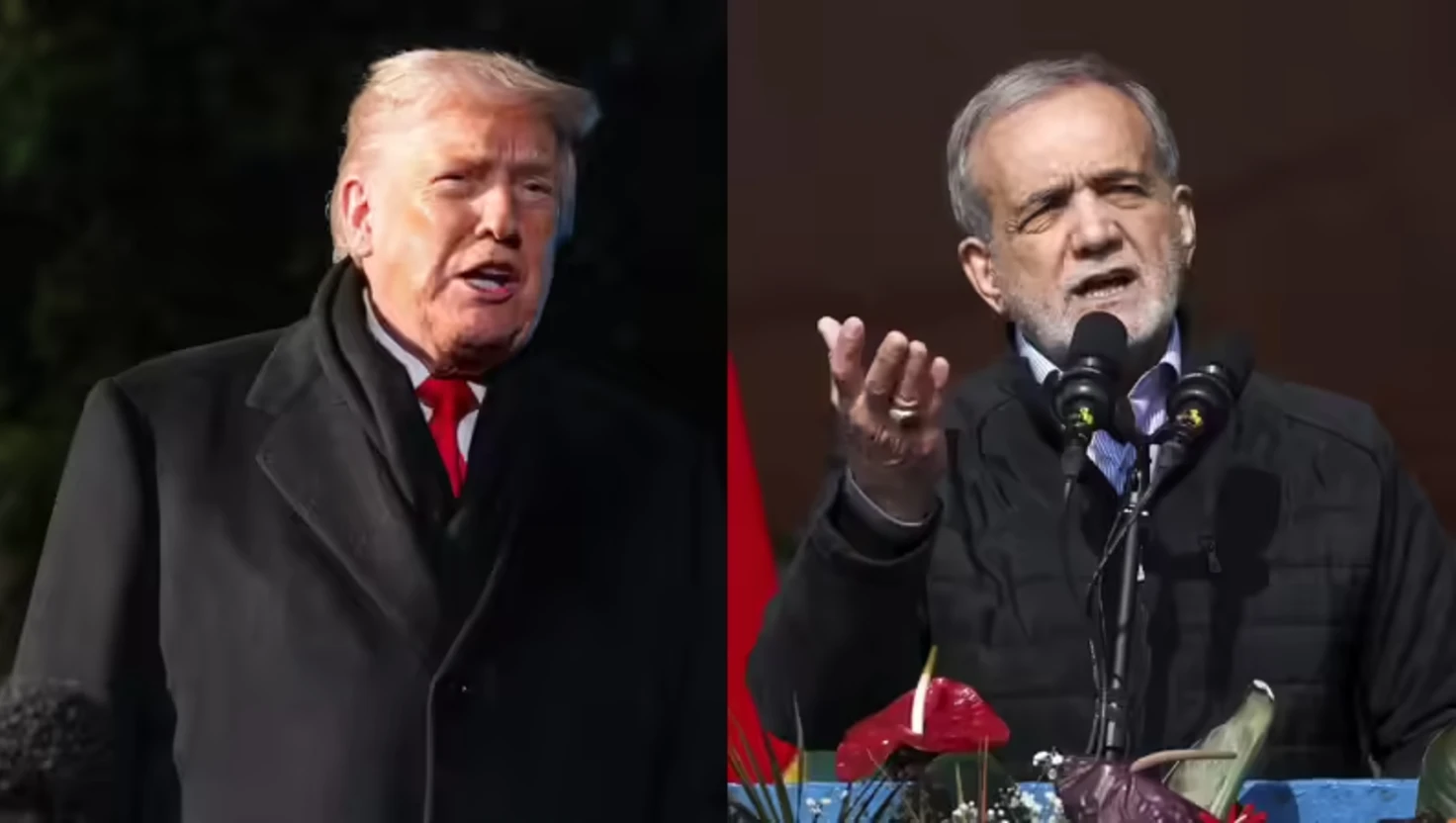
Iran’s President Masoud Pezeshkian has adopted a more assertive tone a day after apologising to neighbouring countries for attacks linked to the ongoing regional conflict, saying Iran will respond forcefully to any aggression against it.
In a video statement released on Sunday, the Iranian leader said his earlier remarks had been misinterpreted and stressed that Tehran would continue to defend itself if it came under attack.
“The enemy has had misconceptions about my words,” Mr Pezeshkian said. “When we are attacked, we have no choice but to respond. The more pressure they impose on us, the stronger our response will naturally be.”
The statement came as missile strikes, drone attacks and retaliatory bombardments continued across several parts of the Middle East, raising fears of a wider regional escalation.
Shift in Messaging from Tehran
The president’s remarks appeared to signal a shift in tone following an earlier statement in which he apologised to neighbouring countries that had been affected by Iranian attacks.
Speaking in a televised address a day earlier, Mr Pezeshkian had said he regretted the impact of Iranian operations on nearby states.
“I apologise on my own behalf and on behalf of Iran to the neighbouring countries that were attacked,” he said at the time.
He also suggested that Iran’s interim leadership council had agreed that Iranian forces should not strike neighbouring countries unless those countries directly attacked Iran.
However, the conciliatory message triggered criticism from hardline figures inside Iran’s political establishment, exposing divisions within the country’s leadership during the ongoing conflict.
Domestic Criticism and Hardline Response
Several influential officials reacted strongly to the president’s comments, arguing that Iran should continue military operations against targets they say are being used by hostile forces.
Iran’s judiciary chief, Gholamhossein Mohseni Ejei, who is a member of the country’s interim leadership council, warned that attacks on certain sites in neighbouring countries would continue.
According to statements attributed to him, there is evidence that some locations in the region are being used by Iran’s adversaries.
“The geography of some countries in the region is in the hands of the enemy,” he said, adding that “intense attacks on these targets will continue”.
Other political figures also criticised the president’s apology. Iranian parliament speaker Mohammad Bagher Ghalibaf argued that regional stability would remain difficult as long as United States military bases remained in the area.
Hardline cleric and lawmaker Hamid Rasai also criticised the statement, describing the president’s remarks as “weak and unacceptable”.
Escalating Military Activity
The exchange of statements comes amid continuing hostilities involving Iran, Israel and the United States, with the conflict now entering its second week.
Iran has launched missile and drone strikes targeting locations across the region, including sites believed to host United States military personnel. In response, the United States and Israel have carried out strikes on Iranian targets.
Air raid sirens have reportedly sounded in several countries in the region, including Israel, Qatar, Bahrain and the United Arab Emirates.
Explosions were also reported in several cities as air defence systems intercepted projectiles. In Dubai’s Marina district, debris from an intercepted missile reportedly struck a residential tower, causing a fire.
Additional strikes were reported in Kuwait and Bahrain, while blasts were also heard in Iraq’s capital, Baghdad.
Military analysts say the attacks demonstrate Iran’s capacity to launch coordinated missile and drone operations across a wide geographical area.
Meanwhile, Iranian authorities reported explosions inside Iran as well, including a large blast in the capital, Tehran, following retaliatory attacks.
Exchange of Warnings with the United States
The tensions have been accompanied by increasingly sharp rhetoric between Iranian leaders and the United States government.
United States President Donald Trump warned that Iran could face severe consequences if the conflict continues to expand.
According to remarks reported in international media, the US president said Iran would be “hit very hard” and warned that additional locations and groups could become targets.
Mr Pezeshkian rejected the demand that Iran surrender unconditionally, describing the idea as unrealistic.
Calling the suggestion a “dream”, the Iranian leader said the country would not yield to external pressure.
President Trump responded with his own statement, saying that the conflict could reach a point where “there will be nobody left to say ‘we surrender’”.
Role of the Revolutionary Guards
The Islamic Revolutionary Guard Corps, a powerful branch of Iran’s armed forces that reports directly to the country’s supreme leadership, has also been active in the conflict.
Iranian state media reported that drones operated by the force struck a United States air combat centre at Al Dhafra Air Base near Abu Dhabi in the United Arab Emirates.
The group also claimed responsibility for attacks targeting US forces stationed in Bahrain.
Security analysts note that the Revolutionary Guards control much of Iran’s ballistic missile capability and play a central role in military operations beyond the country’s borders.
Context: Rising Regional Tensions
The latest developments underline the growing risk of a broader regional confrontation involving several Middle Eastern states.
Countries across the Gulf region host military facilities used by the United States and its allies, making them strategically important in any conflict involving Iran.
At the same time, political divisions within Iran’s leadership appear to be shaping the country’s messaging, with more moderate diplomatic language from the president facing pushback from hardline factions.
Observers say the contrasting statements reflect competing pressures inside the Iranian government as it balances domestic politics, military strategy and diplomatic concerns during a rapidly evolving conflict.
With missile exchanges continuing and diplomatic efforts yet to produce a ceasefire, the situation remains volatile across much of the Middle East.
Kerala Initiates Probe into 2006 Suicide Case Involving CEC
Extradition of Sheikh Hasina Feasible, Says Indian High Commissioner

Punjabi Makeup Artist Mad Sandhu Shot Dead in Amritsar

India Achieves Fourth Place at Asian Games 2026 Through Late Success