India's Jaishankar Addresses Trade Tensions with the US


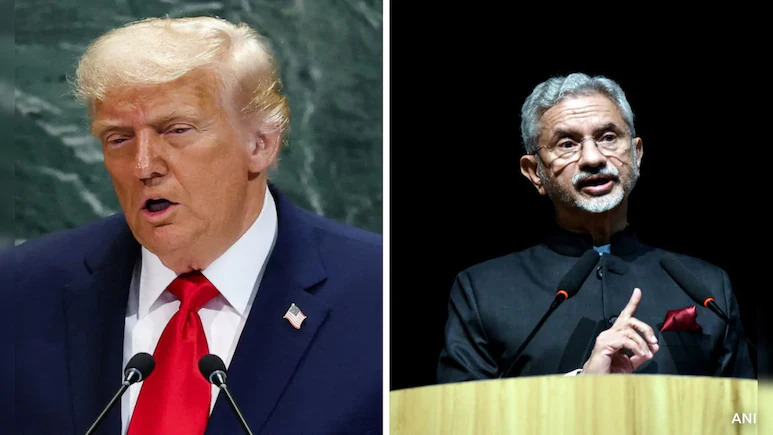
External Affairs Minister S. Jaishankar delivered remarks on Saturday in Kolkata, addressing the increasing influence of politics over economics in light of ongoing trade tensions with the United States. Speaking at a ceremony where he was awarded an Honorary Doctorate from the Indian Institute of Management Calcutta, he underscored the necessity for India to diversify its supply sources to protect its national interests.
Jaishankar remarked, "This is an era where politics increasingly trumps economics. In an uncertain world, it is essential that we continuously diversify supply sources to ensure our national needs are met." His comments come as the backdrop of recent trade disputes and significant tariffs imposed by the US, including a 50 per cent tariff on Indian imports introduced during the administration of former President Donald Trump.
Reflecting on the changing nature of US trade policy, Jaishankar noted, "The United States, long the underwriter of the contemporary system, has set radically new terms of engagement. It is doing so by dealing with countries on a one-on-one basis." This shift has left India and the US engaged in complex negotiations aimed at addressing tariff issues and establishing a comprehensive trade agreement.
Despite the tensions, recent data indicates that India's exports to the US have not declined as severely as anticipated. Officials have stated that India has "avoided the worst impact of the 50% US tariffs" and are prepared to negotiate for a more advantageous deal in the future.
Both nations aim to double bilateral trade to USD 500 billion by 2030, a significant increase from the current level of USD 191 billion. The US is advocating for enhanced access to India's agricultural and high-tech markets, while India is seeking improved mobility for its professionals and clearer regulations regarding digital trade and data flows.
Jaishankar also discussed the conduct of other major economies, particularly China, stating that it "has long played by its own rules". He suggested that this behaviour contributes to a fragmented global landscape, leading many nations to adopt a hedging strategy in their foreign policies.
"In this scenario, other nations are uncertain whether to focus on visible competition or on the trade-offs and understandings that punctuate it. Faced with the pressures of globalisation, fragmentation, and supply insecurity, the international community is responding by hedging against all contingencies," he explained.
The minister highlighted India's commitment to self-reliance and developing a robust industrial base. "India has been actively pursuing self-reliance and establishing itself as a manufacturing hub. We are making significant advancements in infrastructure and scientific developments," he added.
As one-third of global production is currently concentrated in China, Jaishankar emphasised the importance of supply chain resilience, particularly in light of conflicts and climate-related disruptions. He pointed out that India is narrowing infrastructural gaps through substantial improvements in transport, energy, and power sectors.
Looking ahead to 2047, the year marking 100 years of India's independence, Jaishankar stated that the country's foreign policy will focus on expanding India's global presence. "In terms of trade, we will be guided by our people-centric vision," he stated, further asserting that India's diplomatic approach is now "active rather than passive". He concluded by asserting that for a major power like India, having a strong industrial base is crucial, and promoting advanced manufacturing sectors—ranging from semiconductors to electric vehicles and biosciences—is essential for achieving this goal.
Kerala Initiates Probe into 2006 Suicide Case Involving CEC
Extradition of Sheikh Hasina Feasible, Says Indian High Commissioner

Punjabi Makeup Artist Mad Sandhu Shot Dead in Amritsar
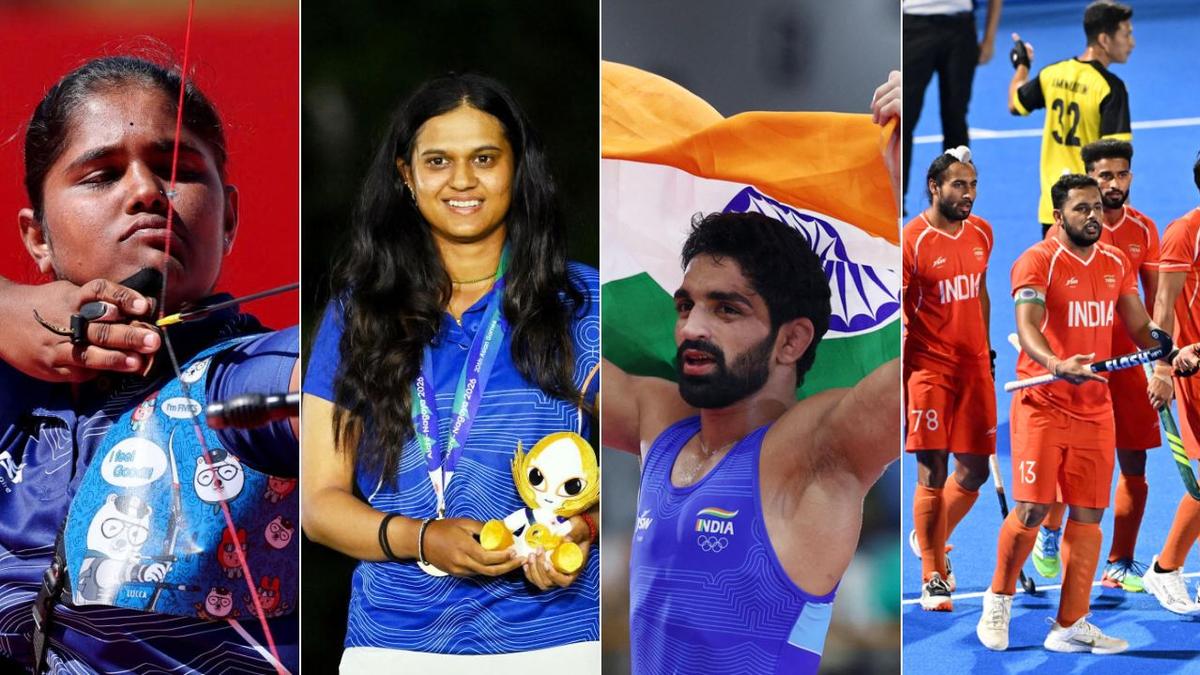
India Achieves Fourth Place at Asian Games 2026 Through Late Success