India defeat Pakistan by 61 runs to reach T20 World Cup Super Eights


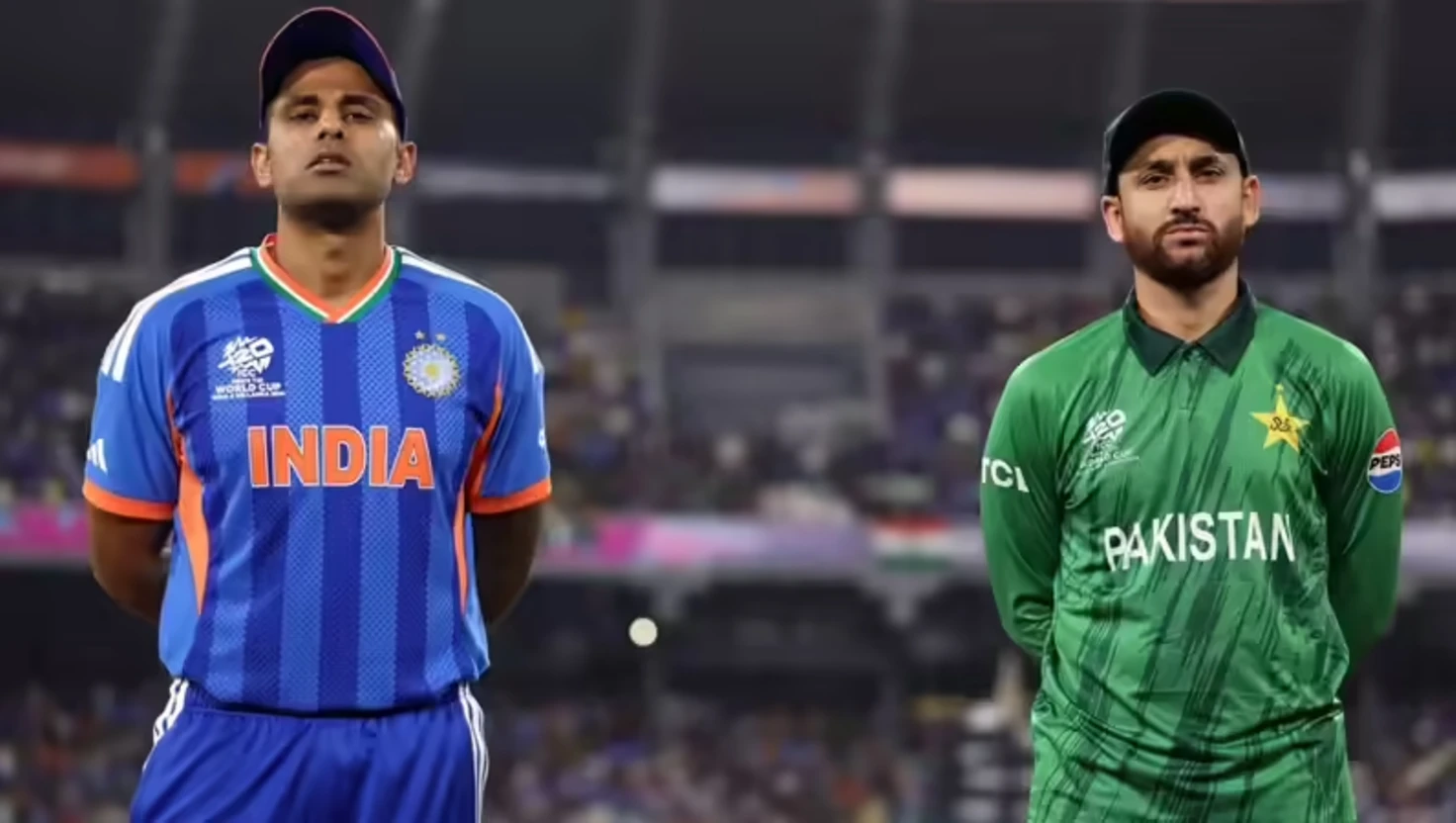
Defending champions India produced a one-sided display against Pakistan in a high-profile Group A match at the R. Premadasa Stadium, reinforcing their status as tournament favourites and leaving their rivals facing a nervous wait to progress.
Batting first on a surface that proved challenging for most players, India posted 175 for seven, a total that ultimately proved well beyond Pakistan’s reach. The innings was built around a decisive contribution from Ishan Kishan, who scored 77 runs from 40 deliveries, striking the ball cleanly while others struggled for timing and fluency.
India’s captain, Suryakumar Yadav, said his team had backed its plans from the outset. “Batting first was the better option on this wicket,” he said after the match. “Someone had to take responsibility after the early wicket, and Ishan did that amazingly.”
Pakistan had earlier won the toss and elected to field, hoping that the turning pitch would favour their spinners. Their captain, Salman Agha, even opened the bowling himself, a rare move that briefly paid off when Abhishek Sharma was dismissed for no score in the first over.
However, that early breakthrough failed to slow Kishan, who quickly adapted to the conditions. While other batters found scoring difficult, he repeatedly pierced the field and lifted the tempo, hitting ten fours and three sixes. By the time he was dismissed, he had contributed the vast majority of India’s runs, underlining his dominance on a surface where run-making was at a premium.
Support came from Tilak Varma, who made 25, and Suryakumar Yadav, who added 32, while Shivam Dube’s late 27 ensured India crossed the 170 mark. Pakistan’s bowlers, relying heavily on spin, struggled to contain Kishan and were unable to apply sustained pressure during the middle overs.
Reflecting on his team’s performance, Salman acknowledged that Pakistan had fallen short. “Our spinners had an off day,” he said. “We didn’t bowl according to the situation, and we didn’t apply ourselves with the bat.”
Pakistan’s chase never gathered momentum. Any hopes of an early platform were dashed when Hardik Pandya struck in the opening over, removing Sahibzada Farhan without a run. Jasprit Bumrah then delivered a decisive spell, dismissing Saim Ayub with a sharply swinging yorker before claiming the wicket of Salman Agha shortly afterwards.
With wickets falling regularly, Pakistan’s top order failed to establish partnerships, a crucial factor in a chase of this scale. Their first four batters managed only 15 runs between them, leaving the middle order with an increasingly improbable task.
Usman Khan offered brief resistance with a composed 44, sharing small partnerships that momentarily steadied the innings. However, his dismissal ended any realistic chance of a comeback, and India’s bowlers tightened their grip as the required run rate climbed.
Kuldeep Yadav and Varun Chakaravarthy chipped in with key wickets, while Pandya returned at the death to finish the match by bowling Usman Tariq, sealing victory with two overs remaining. Pakistan were dismissed for 114 in 18 overs, marking one of their lowest totals in T20 World Cup history.
Suryakumar Yadav praised the collective effort from his side. “It was great to see everyone contributing with the ball,” he said, adding that the team would now turn its attention to the next phase of the competition.
Context
The result confirms India’s progression to the Super Eights with a game to spare and strengthens their position as one of the leading contenders for the title. The win also carried broader significance, given the intense rivalry between the two teams and the global attention their encounters attract.
For Pakistan, the defeat leaves their campaign finely balanced. With one group match remaining, they must secure victory to ensure qualification, while also keeping an eye on net run rate. The loss, both in margin and performance, has placed additional pressure on a side already seeking consistency in the tournament.
The match underlined the importance of adaptability in T20 cricket, particularly on demanding surfaces. India’s ability to identify a match-winning role for Kishan, and then support it with disciplined bowling, proved decisive. As the tournament moves into its knockout stages, such clarity of execution may prove crucial in determining the eventual champions.
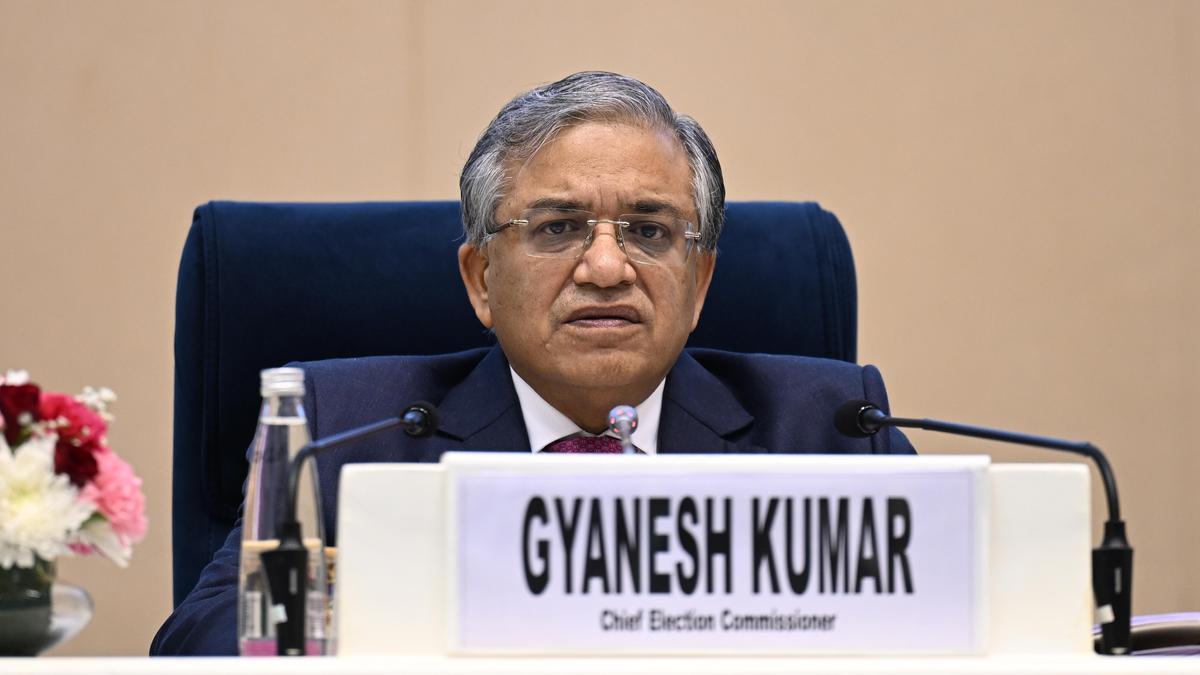
Supreme Court to Consider Plea Against Chief Election Commissioner
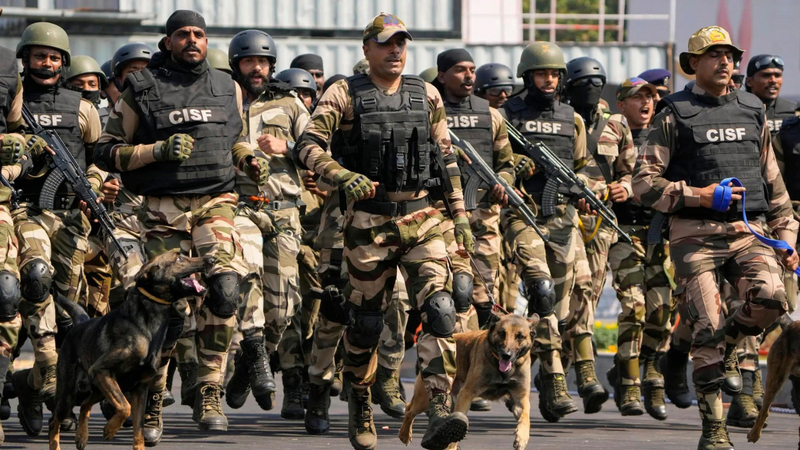
Fratricide Incident in Jammu and Kashmir Claims Four CISF Lives
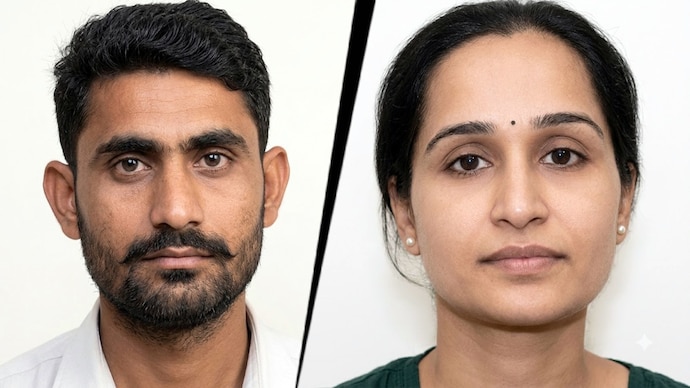
Three Residents from Gujarat Missing After Alleged Kidnapping in Ethiopia

Supreme Court Justice Dedicates Judgment to Late Law Clerk