India Achieves Record Power Capacity Growth of Over 52 GW in FY26


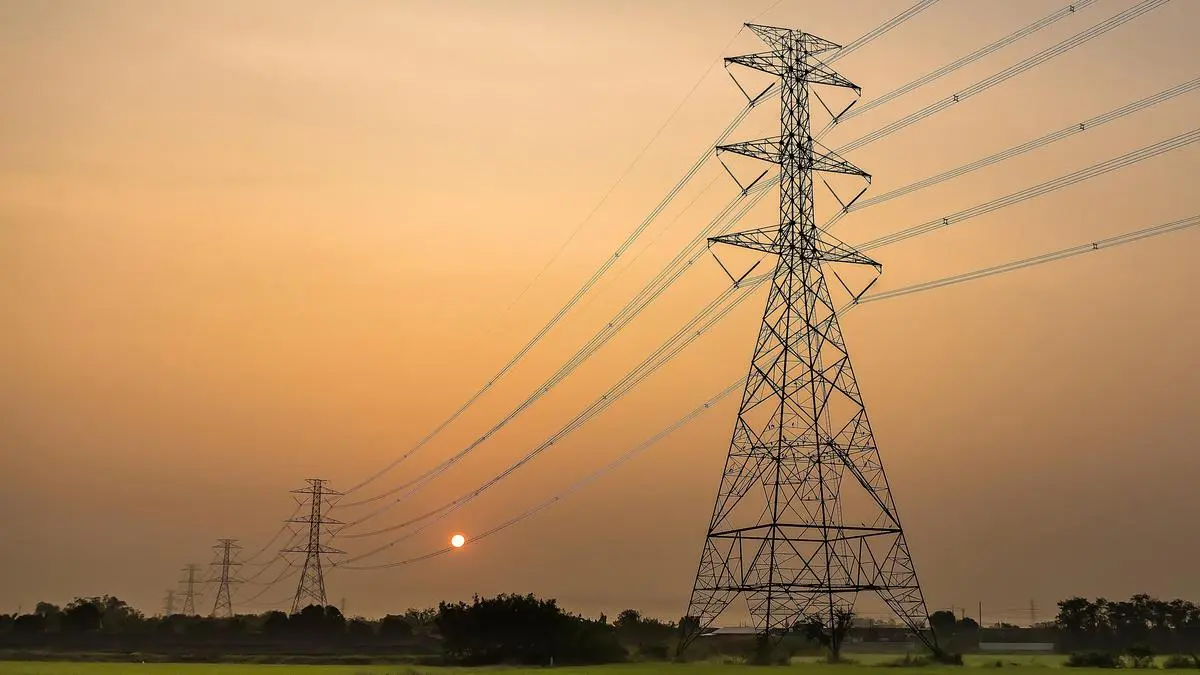
India has set a new record by adding over 52 gigawatts (GW) of power generation capacity during the first ten months of the financial year 2026. According to the Power Ministry's announcement on Sunday, a total of 52,537 megawatts (MW) of capacity from various sources has been integrated into the grid. This significant increase surpasses the previous record of 34,054 MW achieved in financial year 2025.
Of the total new capacity, 39,657 MW has been sourced from renewable energy options, which includes 34,955 MW generated from solar power and 4,613 MW from wind power. In addition to renewable sources, the country has added 8,810 MW of capacity from thermal power plants during this time.
The data indicates that the increase in power generation capacity represents over an 11 per cent growth in India's total installed capacity. As of January 2026, the country's overall installed power generation capacity has reached 520,510.95 MW. This total comprises fossil fuel-based capacity of 248,541.62 MW, non-fossil fuel capacity of 271,969.33 MW, nuclear energy at 8,780 MW, and renewable sources at 263,189.33 MW.
During 2025, India added a total of 48,436 MW of renewable energy capacity, consisting of 37,945 MW from solar and 6,347 MW from wind energy. The current energy availability in the nation remains sufficient, with the gap between energy supplied and energy required decreasing from 0.5 per cent during financial year 2023 to virtually nil in the year to date. Furthermore, the percentage of peak demand unmet has similarly improved from 4 per cent in FY23 to almost nil in the current financial year.
In June 2025, India achieved a significant milestone in its energy transition by reaching 50 per cent of its installed electricity capacity from non-fossil fuel sources. This achievement was realised more than five years ahead of the targets established under its Nationally Determined Contributions (NDCs) to the Paris Agreement. The rapid expansion of power generation capacity signifies India's commitment to enhancing energy security and promoting sustainable development in line with global climate commitments.

Trump, Putin, and Xi to Meet at APEC Summit in Shenzhen, China
Congress Criticises Adani for Dramatic Cost Cut in Maharashtra Project

Urban Infrastructure Crucial for India's Manufacturing Growth

India Extends Ban on Zakir Naik's Islamic Research Foundation