Historic Victory for Japan's Takaichi as Stocks Reach New Heights


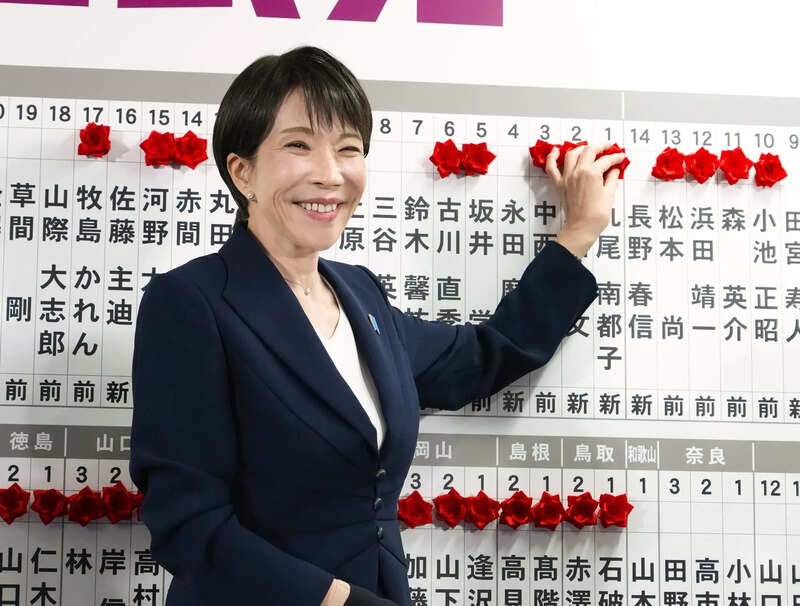
Japanese stock markets soared to unprecedented levels following a significant electoral win by Prime Minister Sanae Takaichi and her Liberal Democratic Party (LDP). In the parliamentary elections held on Sunday, the LDP secured 316 of the 465 available seats, marking a historic accomplishment as it is the first time since the establishment of Japan's current parliamentary system in 1947 that a single party has achieved a two-thirds majority. The LDP's coalition partner, the Japan Innovation Party, added 36 more seats, bringing their combined tally to 352.
This resounding endorsement comes with expectations for Takaichi as she aims to rejuvenate Japan's sluggish economy and address escalating cost-of-living issues. The Nikkei 225 index saw an impressive jump, climbing over 5% early on Monday and briefly surpassing the 57,000 mark for the first time, before closing at a record high of 56,363.94, reflecting a 3.9% increase.
The substantial support for the LDP positions Takaichi to implement her pro-business initiatives without the hindrance of extensive negotiations with opposition parties. Upon her election victory, she communicated her commitment to pursuing a "responsible yet aggressive" fiscal policy, stating she would maintain her current Cabinet, which took office just four months ago. Takaichi's tenure began in October, and her recent electoral success starkly contrasts the challenges faced by her predecessors, who struggled with corruption scandals and the loss of the party's parliamentary majority.
Market analysts suggest that Takaichi's strategies could invigorate the Japanese economy. Investment analyst Yuka Marosek noted that the election results, combined with potential actions such as stimulus measures, tax adjustments, and deregulation, could serve as "additional fuel for an existing bull trend". Chris Scicluna, from Daiwa Capital Markets Europe, indicated that investors are optimistic about Takaichi's plans to move away from austerity, promising increased investment to stimulate growth, particularly in key sectors like defence and artificial intelligence.
Despite the positive stock market response, scepticism remains among investors in government bonds and currency, who are concerned about Japan's significant debt levels. As Scicluna remarked, there is a pressing need for clarity regarding how Takaichi intends to fund her proposed economic agenda. With historically low inflation, rising living costs have become a pressing issue for many Japanese citizens. During this election, voters expressed apprehension about rising expenses associated with food and housing.
Japan's economy is further pressured by its ageing population, which has resulted in a smaller workforce and increasing social care expenditures. Takaichi's proposed measures—including tax reductions and increased spending to stimulate economic growth—have raised concerns among critics who warn of potential instability within the already fragile economy. In a statement following her party's decisive win, Takaichi highlighted the urgent responsibility her administration holds to fulfil the campaign promises made.
Takaichi ascended to the role of Prime Minister after her predecessor, Shigeru Ishiba, oversaw a decline in the LDP's fortunes. By calling a snap election, Takaichi aimed to secure a direct mandate from the public after her appointment by the party rather than by popular vote. Her popularity has surged, with approval ratings around 70%, and analysts suggest she sought to capitalise on this momentum before any potential decline.
Significant to her campaign has been Takaichi's ability to connect with younger voters, amidst her emphasis on traditional values and long-ignored policies such as revising Japan's pacifist constitution. This appeal is notable in her chosen fashion, which has sparked interest in young demographics. Amid her political journey, Takaichi has drawn support from international figures. Notably, U.S. President Donald Trump praised her election victory, highlighting his endorsement ahead of the polls, a rare occurrence for a sitting U.S. President in foreign elections.
Looking ahead, Takaichi is scheduled to visit Washington in March for a follow-up meeting with Trump. The coming months will be critical as she faces hurdles such as inflation and diplomatic tensions with China, which are paramount to voter concerns.
In summary, Prime Minister Sanae Takaichi's recent electoral triumph has laid the groundwork for significant legislative influence, with high expectations attached to her policies aimed at economic revitalisation amid rising cost pressures in Japan.
Kerala Initiates Probe into 2006 Suicide Case Involving CEC

Extradition of Sheikh Hasina Feasible, Says Indian High Commissioner

Punjabi Makeup Artist Mad Sandhu Shot Dead in Amritsar

India Achieves Fourth Place at Asian Games 2026 Through Late Success