Gulf Energy Attacks: Iran Strikes LNG Facilities Across Region


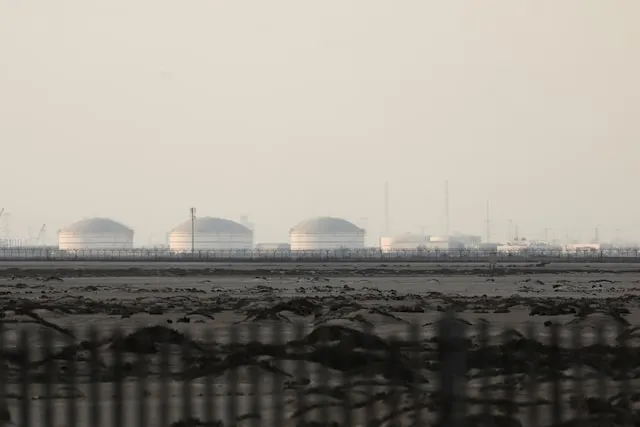
Iranian strikes on energy infrastructure across the Gulf have caused significant damage to major oil and gas facilities in Qatar, Saudi Arabia, Kuwait and the United Arab Emirates, marking a sharp escalation in the ongoing regional conflict.
The attacks follow Israeli strikes on Iran’s key gas installations, including the South Pars field, and come amid a widening confrontation involving multiple countries in the Middle East.
Escalation of strikes on energy infrastructure
Qatar’s state-owned energy company, QatarEnergy, said missile attacks on the Ras Laffan Industrial City caused extensive damage to facilities at the site, which is the world’s largest liquefied natural gas production hub.
The company reported that several installations were hit, triggering large fires that were later brought under control. Authorities said no casualties had been recorded, and emergency teams were deployed immediately to contain the damage.
Ras Laffan, located north of the capital Doha, is a central pillar of global energy supply, accounting for a substantial share of the world’s liquefied natural gas exports.
A spokesperson for Shell, one of the international companies operating at the site, said it was assessing the impact on its assets. “We are currently assessing any potential impact,” the spokesperson said, adding that further updates would follow.
The Pearl gas-to-liquids plant, one of the largest facilities of its kind, was among those affected, according to company statements.
Regional impact widens
The strikes were not limited to Qatar. In Saudi Arabia, the defence ministry said a drone fell on the Saudi Aramco-ExxonMobil refinery in Yanbu, a key Red Sea port that serves as the country’s primary crude export outlet.
Officials added that a ballistic missile targeting the same area was intercepted before it could reach its intended destination. Damage assessments at the refinery are ongoing.
In Kuwait, drones targeted operational units at the Mina al-Ahmadi and Mina Abdullah refineries, resulting in fires at both sites, according to the state news agency.
Meanwhile, authorities in the United Arab Emirates said gas facilities at Habshan and the Bab oil field were affected by debris from intercepted missiles. Operations at the gas complex were suspended as a precaution, although no injuries were reported.
The Habshan facility, operated by the Abu Dhabi National Oil Company, is among the largest gas processing complexes globally.
Political tensions and international response
The Iranian attacks came shortly after Tehran issued warnings advising the evacuation of certain energy facilities in neighbouring Gulf states.
The escalation follows Israeli strikes on Iran’s South Pars gas field, part of the world’s largest natural gas reserve shared between Iran and Qatar.
United States President Donald Trump condemned the Iranian actions and warned of a strong response if further attacks target critical infrastructure. In a social media statement, he threatened severe retaliation against Iran’s energy sector if the strikes continued.
Qatar’s foreign ministry described the attack on Ras Laffan as a direct threat to national security and announced that Iranian diplomatic and military personnel in the country had been ordered to leave within 24 hours.
Saudi Arabia also signalled that its response options remain open. Foreign Minister Prince Faisal bin Farhan Al Saud said the country’s restraint “is not unlimited”, indicating the possibility of further action if attacks persist.
Global energy concerns
The latest strikes have raised concerns about the stability of global energy supplies. Analysts warn that damage to facilities such as Ras Laffan could have lasting effects on liquefied natural gas production.
Qatar is one of the world’s leading exporters of LNG, supplying energy to markets in Europe and Asia. Disruptions at its facilities could tighten supply and contribute to rising prices.
Early market reactions have already been significant. European gas prices have climbed sharply, while global oil prices have surged above pre-conflict levels, reflecting fears of prolonged instability.
Experts say that although some production had already been disrupted earlier in the conflict, the scale of the latest damage may delay recovery timelines for months.
Context: Strategic importance of Gulf energy hubs
The Gulf region hosts some of the most critical energy infrastructure in the world. Facilities such as Ras Laffan in Qatar and South Pars in Iran are central to global gas production.
The South Pars field alone supplies the majority of Iran’s domestic gas needs, while its Qatari counterpart, known as the North Field, underpins Qatar’s export capacity.
The Strait of Hormuz, located nearby, is another key chokepoint through which a significant portion of global oil and gas shipments passes. Any disruption in this area can quickly affect international markets.
Analysts say the targeting of energy infrastructure represents a dangerous phase in the conflict, as it risks drawing in additional countries and destabilising global supply chains.
With multiple facilities damaged and tensions still high, the situation remains fluid, with governments and energy companies closely monitoring developments.
India to Supply Nepal with Daily Electricity After Flood Damage

US Space Force confirms weapons deployed in space orbit

Maruti Suzuki Exports One Lakh Units of Jimny and Fronx to Japan
China's Foreign Minister Urges Strengthening International Ties
