Global Oil Prices Surge Amid Escalating US-Israeli Conflict with Iran


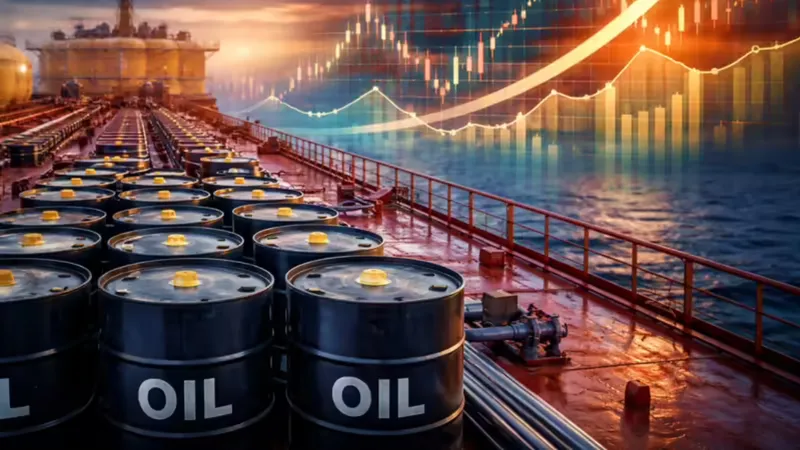
The US-Israeli military actions against Iran have dramatically affected global energy markets, pushing the price of Brent crude oil to around $120 per barrel. This price is comparable to its peak of $147 recorded in July 2008. Unlike the volatility experienced during the Russia-Ukraine conflict, which saw prices spike before stabilising, many analysts believe the impact of the current conflict will be more persistent.
Analysts note that while prices may eventually stabilise, they are expected to do so at a much higher cost to both regional economies and global markets. The energy shock in 2022 was escalated primarily due to sanctions on Russia and the subsequent need to reroute much of its oil and gas exports. Notably, Russia continued to function as a significant global supplier despite sanctions, largely through third-party sales.
In stark contrast, the ongoing US-Iran conflict has led to the closure of key maritime routes, particularly the Strait of Hormuz. This chokepoint is critical for global oil supply, seeing traffic of approximately 20 million barrels per day prior to the conflict. According to the International Energy Agency (IEA), this situation represents the largest disruption to supply in the history of the oil market, with estimates indicating that Gulf producers are forced to cut output by at least 10 million barrels per day.
Iranian strikes on oil infrastructure have exacerbated these challenges, causing further damage and triggering precautionary shutdowns of production facilities. As a result, logistical complexities arise in managing the strategic petroleum reserves that are primarily stationed in regions such as the US and Europe. Movement of these reserves to the regions most impacted will require significant time and resources.
Despite the IEA deciding to release 400 million barrels to mitigate the energy price shock, experts argue that this measure may fall short of addressing the underlying problem of physical supply outages. Rerouting oil and gas routes will not offer immediate relief. Current alternative pipeline options lack the capacity to offset the significant shortfall.
Natural gas markets are also feeling the impact. Nearly 20% of global liquefied natural gas trade typically transits through the Strait of Hormuz, but this flow has been severely disrupted. Limited alternatives, such as the Dolphin pipeline, provide insufficient capacity to bridge the gap left by these supply chain interruptions.
The energy market landscape in 2022 demonstrated the sector's ability to absorb shocks through substitution and policy interventions. However, the current conflict presents an anomaly. The sustained blockage of the Strait of Hormuz indicates a more serious and lengthy challenge for producers, forcing a reconfiguration of the market rather than simple readjustment.
As a result of these developments, energy-intensive industries—including petrochemicals and metal producers—can expect to feel immediate pressure. Higher oil prices will also ripple through the transportation sector, resulting in increased costs for shipping, aviation, and road transport.
Households are likely to feel the crunch as higher energy costs begin to impact disposable income, leading to broader economic implications. The longer the conflict persists and the Strait remains blocked, the longer oil and gas prices are expected to stay elevated, reshaping consumption patterns and potentially triggering long-term structural changes in global energy markets.

Concerns Rise Over Delhi Voter Registration Discrepancies

Controversy Erupts Over Rahul Gandhi's PM Modi Mimicry at Event

Father of IIT Bombay Student Calls for Action Against Discrimination

India and Japan Conduct Joint Air Exercise 'Veer Guardian-2026'