Oil Crisis: 700 Tankers Block Strait of Hormuz, India Faces Fuel Pressure


Global energy markets are under mounting pressure as maritime data show severe congestion in the Strait of Hormuz, a critical chokepoint for international oil trade. According to analytics firms Windward and Kpler, only three tankers carrying 2.8 million barrels of crude passed through the strait on March 1, a sharp decline from the daily average of 19.8 million barrels in 2026. By early March 2, traffic had slowed further, with just one small tanker and one cargo vessel transiting the main lanes.
In total, 706 non-Iranian vessels are reported to be stacked along both sides of the strait. This includes 334 crude oil carriers, 109 “dirty” product tankers, and 263 “clean” product vessels, while an additional 26 ships remain drifting in the Gulf without defined destinations. Many more vessels are waiting in the Gulf of Oman, effectively freezing global oil flows.
The disruption has sent immediate ripples through energy markets. Brent crude surged nearly 10% to around $80 per barrel, and European natural gas prices jumped more than 40% following attacks on Saudi Arabia’s Ras Tanura refinery and a Qatari liquefied natural gas (LNG) plant. These incidents forced temporary shutdowns of key facilities, further intensifying supply concerns.
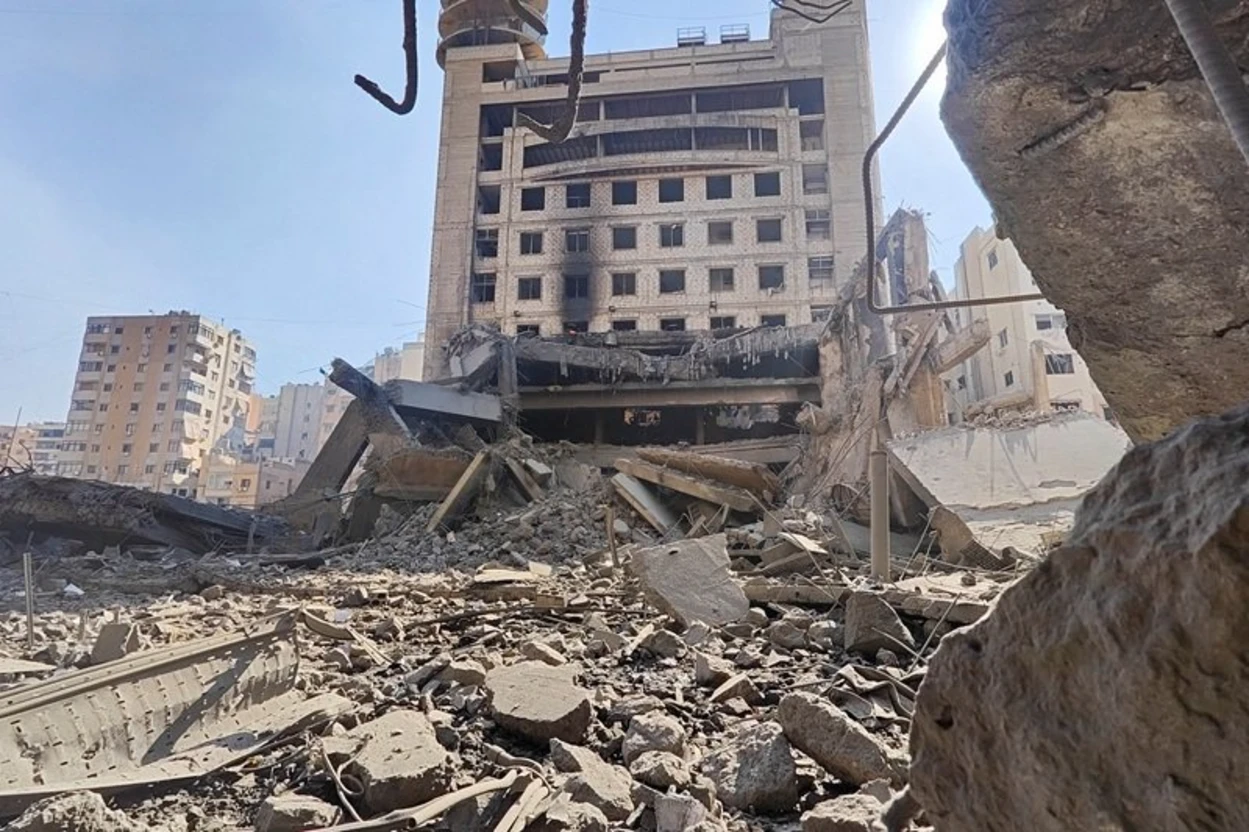
The situation is compounded by ongoing military tensions in the Middle East. Israeli forces recently struck targets in Tehran, Iran, and in Beirut, Lebanon, targeting command centres and weapon stockpiles of the Iran-backed group Hezbollah. In response, Iran has continued retaliatory attacks across the region, including minor damage to the U.S. embassy in Saudi Arabia.
The conflict has also affected global logistics and aviation. Drone strikes have impaired Amazon Web Services facilities in the United Arab Emirates and Bahrain, while Dubai International Airport remains partially suspended. Emirates and Etihad Airlines have extended flight pauses, although limited cargo and repatriation operations continue.
Financial markets have reacted sharply to these developments. U.S. stock indices fell more than 2% in early trading, reflecting investor concerns about rising energy costs and inflationary pressures. Laurence Booth, Global Head of Markets at CMC Markets, told Investing.com: “The sharp move reflects a rapid repricing of supply risk as markets grapple with the prospect of prolonged conflict and constrained energy exports.”
For India, the blockade poses particular challenges. The country relies heavily on crude imports through the Strait of Hormuz, and sustained disruption could lead to fuel shortages or rationing. The Ministry of Petroleum and Natural Gas has yet to comment, but analysts suggest that strategic reserves and alternative supply routes may be explored to mitigate immediate impacts.
Context:
The Strait of Hormuz, situated between Oman and Iran, handles about one-fifth of the world’s oil supply, making it a strategic chokepoint. Even short-term closures or delays can trigger spikes in global crude prices and ripple effects in downstream energy markets. India imports more than 80% of its crude oil, and disruptions in Gulf flows historically lead to temporary price increases at fuel pumps and higher import bills.
This latest escalation follows a period of heightened tensions in the Middle East, including previous clashes between Israel and Iran-backed groups. Analysts warn that if hostilities continue, energy supply chains could face prolonged instability, keeping oil prices volatile and straining importing economies worldwide.
If you want, I can also create a shorter, punchy version specifically optimised for SEO headlines and snippets suitable for online publication, keeping all keywords and Google ranking factors in mind. This can help maximise click-through rates for international readers.
Do you want me to do that next?
Kerala Initiates Probe into 2006 Suicide Case Involving CEC

Extradition of Sheikh Hasina Feasible, Says Indian High Commissioner

Punjabi Makeup Artist Mad Sandhu Shot Dead in Amritsar

India Achieves Fourth Place at Asian Games 2026 Through Late Success