Global Health Sector Faces $200 Billion Deficit Ahead of Davos 2026


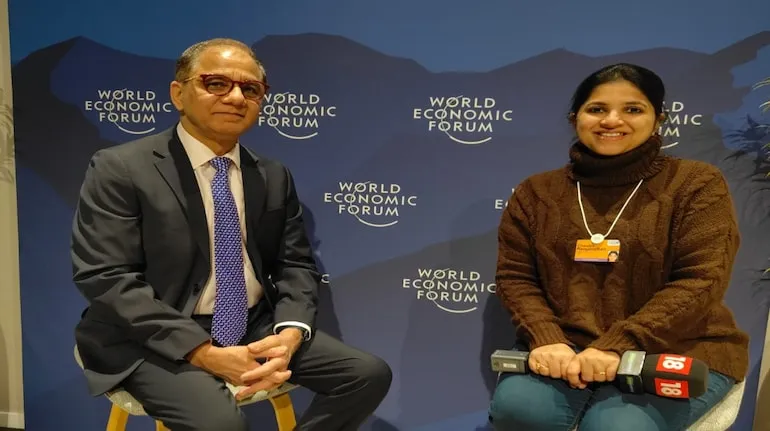
The upcoming World Economic Forum annual meeting in Davos in 2026 is expected to highlight a significant funding gap in the global health sector, which is projected to reach approximately $200 billion. This shortfall has been attributed to reductions in financial contributions from the United States, impacting multilateral health systems worldwide.
Shyam Bishen, head of the Global Health Initiative at the World Economic Forum, emphasised the urgency of addressing this deficit in a recent statement. He noted the critical role that funding plays in developing health systems, particularly in low- and middle-income countries. "If we do not bridge this funding gap, we risk jeopardising progress made in global health over the past decades," Bishen said.
The conversation around this issue is urgent, as many health programmes heavily rely on consistent funding to operate effectively. The decrease in support from the US, historically one of the largest contributors to global health initiatives, raises concerns about the future of health accessibility and quality for vulnerable populations.
As governments and funding agencies prepare for the pivotal discussions at Davos, there is an ongoing exploration of innovative ways to address the funding void. Among the solutions being considered is the integration of Artificial Intelligence (AI) into healthcare systems. Experts argue that AI has the potential to improve operational efficiency, reduce healthcare costs, and enhance overall patient care, thereby maximising the impact of existing funds.
Additionally, discussions are also focusing on engaging the private sector in supporting global health initiatives, which could help alleviate some of the pressure caused by declines in governmental funding.
The World Health Organisation (WHO) has voiced its concerns regarding this financial deficit, stressing that without adequate investment in health systems, global efforts to combat diseases, improve maternal health, and provide essential services will falter.
As the global community looks towards Davos 2026, stakeholders are encouraged to collaborate and innovate solutions to ensure sustainable funding in global health. The spotlight will undoubtedly fall on how international leaders plan to respond to this challenge and the role that technology could play in shaping a more resilient healthcare future.
Kerala Initiates Probe into 2006 Suicide Case Involving CEC

Extradition of Sheikh Hasina Feasible, Says Indian High Commissioner

Punjabi Makeup Artist Mad Sandhu Shot Dead in Amritsar

India Achieves Fourth Place at Asian Games 2026 Through Late Success