Court Justice D.Y. Chandrachud Discusses Pre-Trial Detention Rights


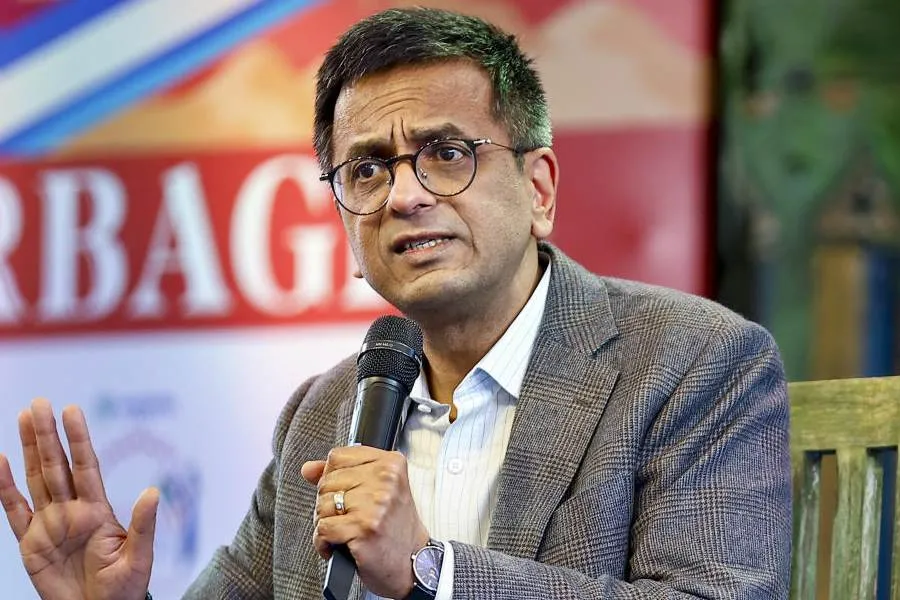
In a recent address, former Chief Justice of India, D.Y. Chandrachud, highlighted the critical distinction between pre-trial detention and punishment within the judicial system. His remarks come amid ongoing discussions regarding the rights of individuals awaiting trial.
Chandrachud emphasised that pre-trial detention must not be equated with punitive measures. He stated, "Every person accused of a crime is presumed innocent until proven guilty, and thus, their freedom should not be unduly compromised prior to a conviction."
This statement resonates with concerns raised by human rights activists who argue that prolonged detention before trial can lead to significant personal and societal consequences. Reports indicate that many individuals in pre-trial detention are eventually acquitted, raising questions about the fairness of their confinement.
The former Chief Justice also noted the need for reform in this area, stressing the importance of upholding the presumption of innocence, which is a fundamental principle of law. He argued that judicial authorities must scrutinise the necessity of detaining individuals before adjudicating their cases, suggesting alternatives such as bail or other measures to ensure that justice is served without compromising personal liberty.
D.Y. Chandrachud's comments align with a broader movement in several countries advocating for judicial reforms to address the ramifications of pre-trial detention. These reforms aim to balance the need for public safety with the rights of individuals awaiting trial, ensuring that justice is accessible and equitable.
Legal experts believe that addressing these issues could transform the judicial landscape. As courts grapple with the implications of detention policies, it is crucial for the judiciary to revisit existing laws and practices to reflect contemporary understandings of justice and human rights.
Chandrachud's advocacy underscores the importance of maintaining a legal framework that prioritises human dignity, even amidst serious allegations. His insights are likely to influence ongoing legal debates and policymaking regarding how pre-trial detention should be handled in India and beyond.
Kerala Initiates Probe into 2006 Suicide Case Involving CEC

Extradition of Sheikh Hasina Feasible, Says Indian High Commissioner

Punjabi Makeup Artist Mad Sandhu Shot Dead in Amritsar
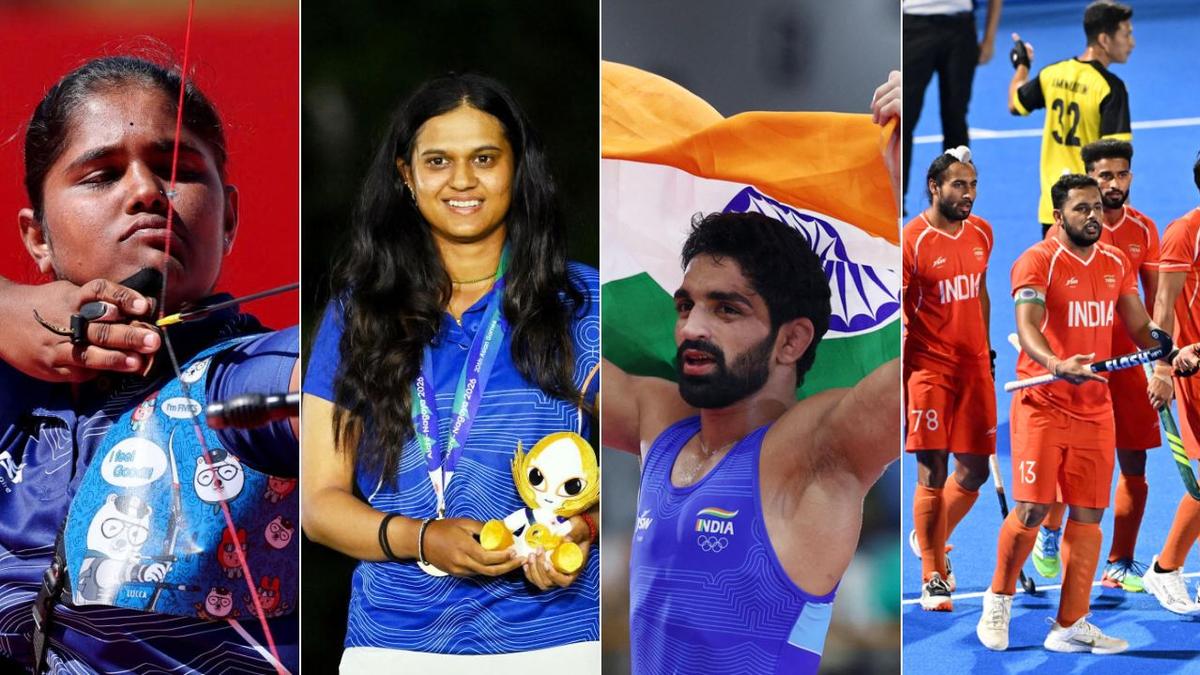
India Achieves Fourth Place at Asian Games 2026 Through Late Success