France Secures Diesel Supply Deal with Gulf States Amid Price Surge


France has entered into a significant arrangement with Saudi Arabia, the United Arab Emirates (UAE), and Bahrain to secure a supply of diesel that corresponds to 10 per cent of its regular consumption. This agreement comes at a time when European diesel prices have surged to around $200 a barrel, a dramatic increase from approximately $80 at the beginning of 2026, largely driven by ongoing military conflicts in the region, particularly in Iran.
The International Energy Agency (IEA) has warned that diesel shortages may continue well into 2027, as the oil market is expected to remain tight due to maintenance challenges at refineries. A substantial release of diesel reserves could potentially lower wholesale prices by between $20 to $30 per barrel. Consequently, this might translate to a reduction of about €0.10 to €0.15 per litre at fuel stations.
Experts emphasise that while this deal will not lead to an immediate decrease in diesel prices in France, it will help prevent rising costs. Naeem Aslam, Chief Investment Officer at Zaye Capital Markets, commented on the significance of this agreement. He stated, "This deal will not make French diesel cheap overnight, but it can stop it from becoming scarcer and increasingly expensive. The larger value lies in the psychological aspect; France is no longer purchasing in a state of panic."
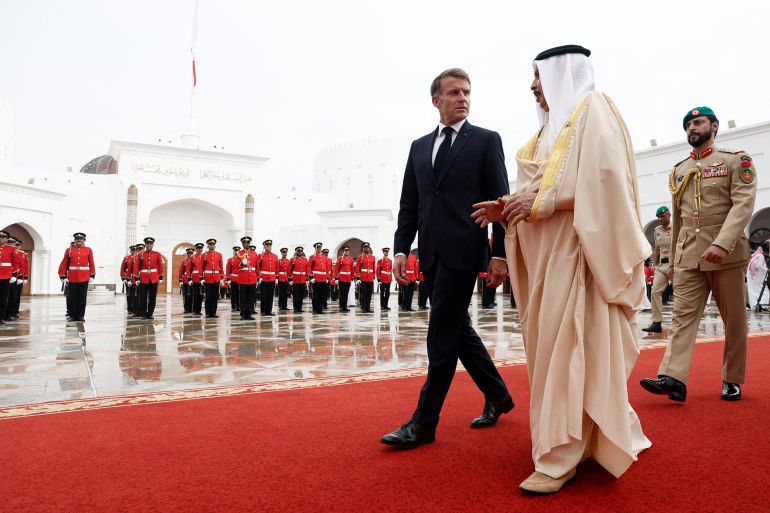
French government sources confirmed that the Gulf states would supply the equivalent of 10 per cent of France’s usual diesel usage in the upcoming weeks. This deal was announced during President Emmanuel Macron's visit to the region, as protests erupted in France over escalating living costs influenced by soaring energy prices.
The arrangement includes an earlier commitment from Saudi Arabia to deliver 95,000 tonnes of diesel in both October and November, totalling 190,000 tonnes. Furthermore, separate agreements from the UAE and Bahrain are expected to add an additional 100,000 tonnes of diesel supply each month to France.
Despite the potential short-term relief from this deal, analysts suggest it may not lead to a sustained decline in fuel prices. According to Vijay Valecha, Chief Investment Officer at Century Financial, the extra diesel supply might alleviate competition among importers for scarce fuel resources, thus reducing the premiums that buyers typically pay for immediate availability, particularly if stock levels are low. However, the overall diesel supply crunch remains substantial, exacerbated by global refinery maintenance and geopolitical tensions.
In a broader context, with the threat of a diesel shortage translating to higher prices at the pump, Macron’s diplomatic engagements aim at not only securing France's energy future but also addressing the public's growing discontent regarding living costs. As the G7 nations have recently emphasised, the urgency of increasing diesel supplies cannot be overstated, particularly as European gasoil inventories are reportedly at their lowest in 25 years.
The French presidency highlighted Macron’s efforts to forge deeper connections in the Gulf region, proclaiming, "We are not going to run out of diesel in February," as the head of French oil giant TotalEnergies accompanied him during the Gulf tour. The priority remains on securing energy resources while concurrently reassuring the public amidst rising prices.
As various countries tread the uncertain waters of energy supply amid geopolitical strife, the importance of maintaining stable supply lines becomes ever clearer. Analysts believe meaningful adjustments will be necessary, including exploring alternate import avenues and diversifying energy sources to mitigate sole reliance on specific regions.
Moreover, while the current deal from the Gulf is set to bring some relief, experts warn that significant improvements in diesel exports from the region may take time, with expectations of sustained tightness in oil product markets prevailing. Addressing the underlying issues behind the price surge, including potential refinery issues and geopolitical threats, will be critical for longer-term stability in France's fuel sector. The French government appears keen to navigate these challenges while securing its energy future and responding to public pressures effectively.

Indian Embassy Advises Nationals in France Amid Ongoing Protests

Apple Limits Stock for iPhone Duo on Launch Day Amid Demand

Anahat Singh Triumphs Over World Champion at Silicon Valley Open

Actor Divya Vinekar of 'Darlings' Fame Passes Away Unexpectedly