Former Nepal Prime Minister K.P. Sharma Oli Remanded Amid Protests


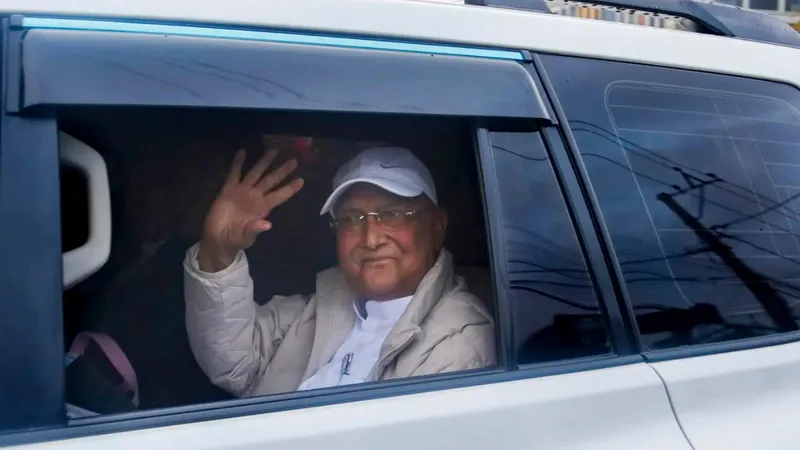
KATHMANDU – Former Prime Minister of Nepal, K.P. Sharma Oli, has been remanded in judicial custody for five days following his arrest on March 28, 2026. This decision was made by the Kathmandu District Court amidst ongoing protests across the nation regarding his detention.
Oli, who is also the Chairman of the Communist Party of Nepal (Unified Marxist-Leninist), was apprehended alongside former Home Minister Ramesh Lekhak. Both are accused of being involved in actions that led to the suppression of the Gen Z movement during protests on September 8-9, 2025, which resulted in the deaths of 76 individuals, including around two dozen youths.
The arrests took place shortly after the new government, led by Balendra Shah, convened and chose to implement the findings of a probe commission that investigated the incidents surrounding the Gen Z protests. Officials requested a ten-day remand for Lekhak to facilitate a deeper investigation into the allegations against both men. Lekhak was also granted five days of custody by the court.
Due to his deteriorating health, K.P. Sharma Oli attended the court session virtually. He is currently receiving treatment at Tribhuvan University Teaching Hospital in Maharajgunj, Kathmandu. Hospital officials note that he is a post-renal transplant patient suffering from a range of health issues, including hydronephrosis and diabetes.
During the five days of custody, he will remain in the hospital for medical care.
In response to the arrest of their leader, members of the Communist Party of Nepal (Unified Marxist-Leninist) have staged protests in various locations, including Maitighar in Kathmandu. The party has also submitted a formal protest to District Administration Offices (DAOs) across Nepal, opposing what they perceive as unjust legal action against their leaders.
In addition to the controversy surrounding Oli and Lekhak, the Nepal police announced the arrest of Deepak Khadka, a former Energy Minister and member of the Nepali Congress party, in connection with a money-laundering investigation. Khadka’s arrest followed the discovery of burnt banknotes at his residence and alleged misconduct related to the issuance of licences and contracts while he was in office.
The situation in Nepal remains tense as protests continue, with the public calling for an end to what they regard as political repression. The Communist Party of Nepal (Unified Marxist-Leninist) has also filed a habeas corpus petition at the Supreme Court regarding the releases of both Oli and Lekhak.
As of now, the judicial proceedings continue, and both legal and social ramifications of these arrests are being closely monitored by observers within and outside the country.
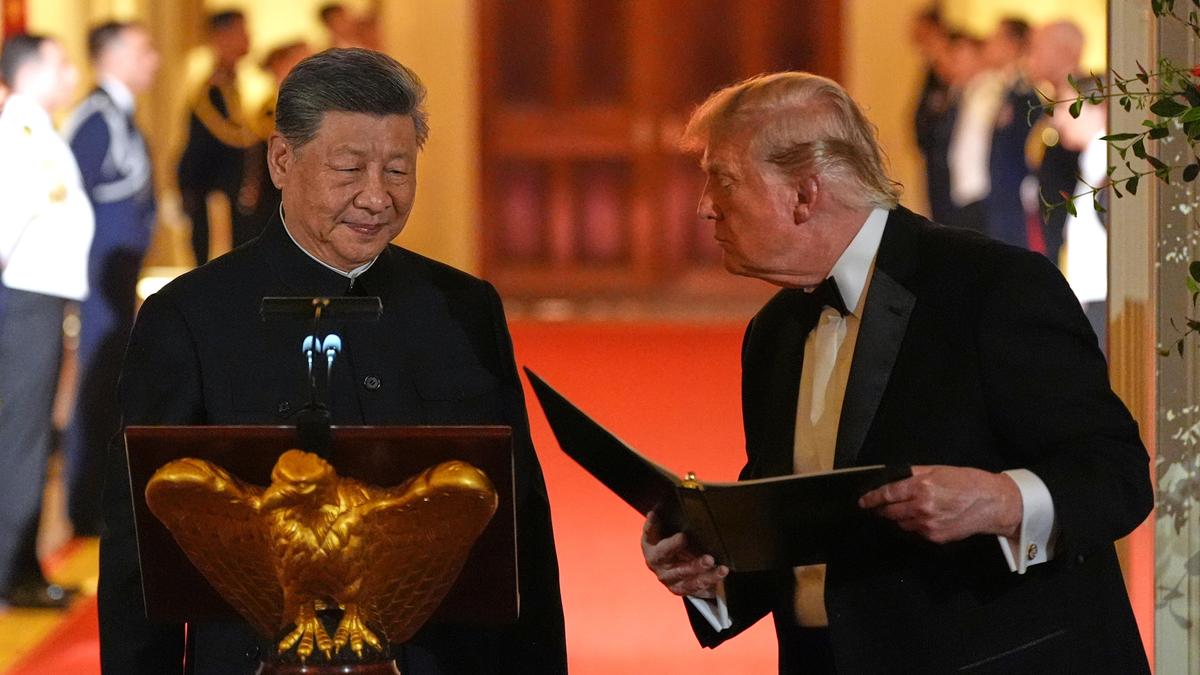
Trump and Xi Discuss Trade, AI, and Taiwan Amid Diplomatic Tensions
Xi Jinping Seeks Greater Concessions from Trump Amid Trade Talks
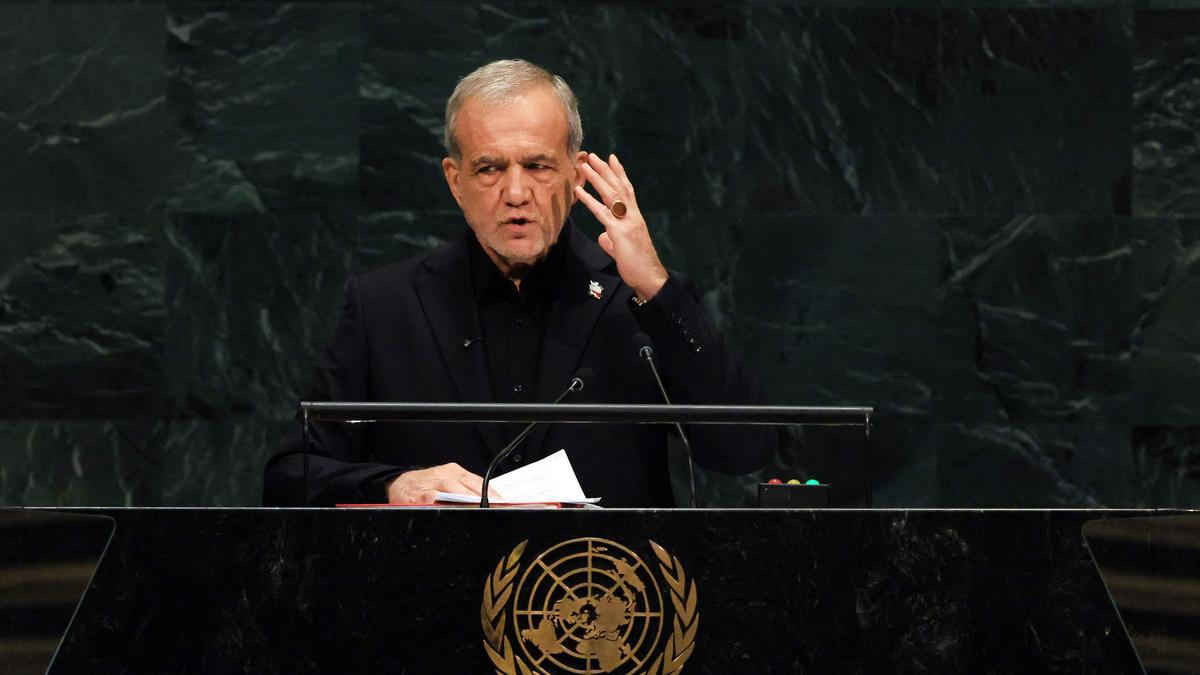
Iran's President Addresses Ongoing Conflict and External Threats
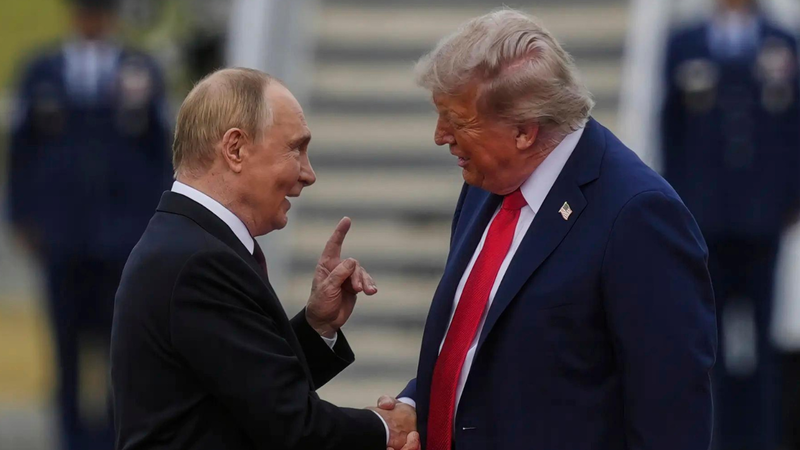
United States Invites Vladimir Putin to Miami G20 Summit