Finnish and Norwegian Leaders Engage with Putin Amid Ongoing Conflict


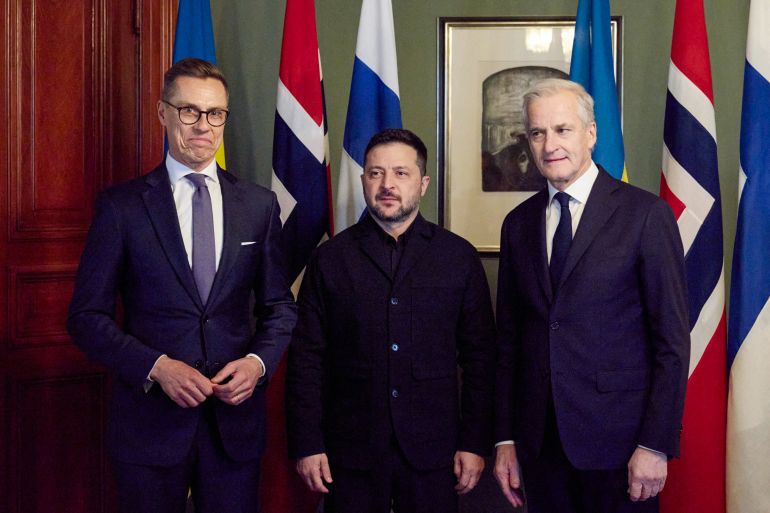
Leaders from Finland and Norway have engaged in a rare direct phone conversation with Russian President Vladimir Putin, marking significant diplomatic activity amid the ongoing conflict in Ukraine. The call, which lasted approximately 90 minutes, was initiated by Finland's President Alexander Stubb and Norway's Prime Minister Jonas Gahr Støre to address Russia’s military actions and the prospects for peace in Europe.
In a statement released by Stubb's office, the discussion aimed to communicate messages regarding potential future negotiations. The Finnish leader asserted that a resolution to the conflict cannot be achieved through reluctance and silence. Støre echoed this sentiment, noting the immense human and material costs of the war, which are likely to affect future generations.
Following the call, both leaders spoke with Ukraine’s President Volodymyr Zelenskyy, who expressed appreciation for their diplomatic efforts and described the conversation as a proper course of action. Ukraine's Foreign Minister Andrii Sybiha also stated that the dialogue had been coordinated with Kyiv and aligned with their ongoing peace process.
Despite the apparent goodwill in dialogue, the Kremlin downplayed the significance of the call. Putin's office reported that any enduring peace would require acknowledgment of Russia’s interests, which have been a continual point of contention. Additionally, Russia’s Foreign Minister Sergey Lavrov described the outreach by Finnish and Norwegian leaders as opportunistic, indicating that Western nations were striving for a role in post-conflict negotiations rather than seeking genuine resolution.
This diplomatic contact comes in a context where most Western European leaders have largely refrained from engaging directly with Moscow since the onset of Russia's full-scale invasion of Ukraine in February 2022. For instance, Danish Prime Minister Mette Frederiksen expressed her scepticism regarding outreach to Putin, advocating instead for a united European front.
Similarly, Swedish Prime Minister Ulf Kristersson was cautious about the impacts of the new dialogue and noted that previous engagements with Russia had yielded little progress. He reflected on the 90-minute conversation, stating, “If talks lead to peace, talks are good, but past experiences suggest little evidence of good faith from Russia.”
Moreover, there are concerns within Finland about the implications of such outreach, with Mika Aaltola, a member of the European Parliament, warning that the visibility of the call could serve as propaganda for Moscow. He emphasised the need for a more coordinated European approach to maintain a unified stance.
In Ukraine, President Zelenskyy reiterated that peace negotiations hinge on halting Russian attacks, which have included relentless strikes aimed at Ukraine's infrastructure. He remarked, “There must be peace, de-escalation is needed, and Russia must stop dragging out the war.”
On the same day as the diplomatic call, Russian military actions intensified, with strikes on key transport infrastructure in Kyiv, including a major bridge. Reports indicated that these attacks included the use of 16 ballistic missiles and over 280 drones. Ukrainian officials described this situation as a serious escalation, with casualties reported in cities such as Kharkiv and Pavlohrad.
As preparations for potential further talks continue, representatives from Kyiv and Moscow have agreed to enter United States-mediated discussions set for early November in Abu Dhabi. The ongoing exchange of fire and military strikes underscores the challenging environment in which these diplomatic efforts are taking place.
While the recent communication between European leaders and Putin holds the potential for dialogue, there remains significant uncertainty regarding its ability to alter the course of the conflict in Ukraine significantly.

BRICS Forum Voices Concern Over Tensions in West Asia

Supreme Court Ruling Revives Controversy Surrounding Yes Bank AT1 Bonds
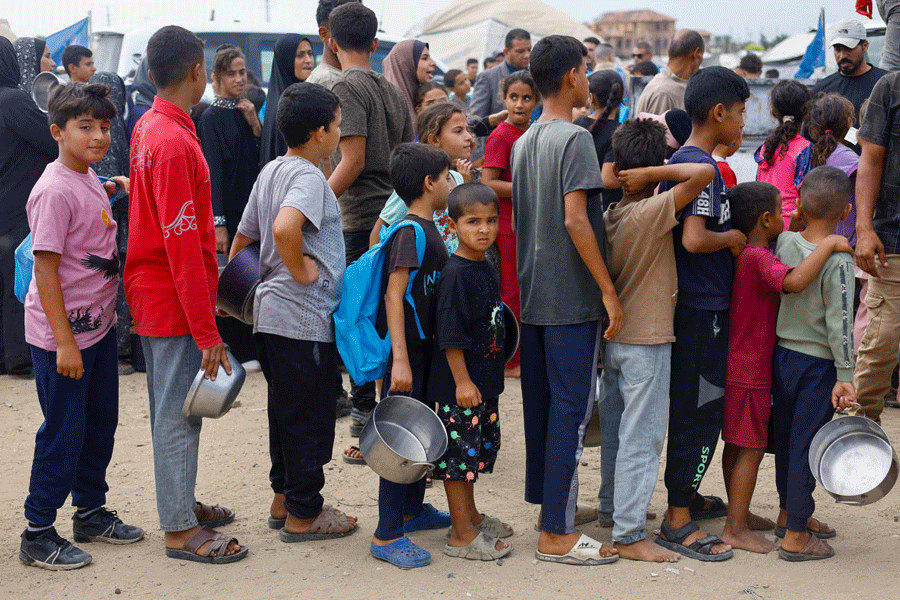
World Food Programme Reduces Gaza Aid Amid Funding Shortages

Shifts in Diet: Whole Foods Linked to Reduced Bowel Cancer Risk