Supreme Court Ruling Revives Controversy Surrounding Yes Bank AT1 Bonds


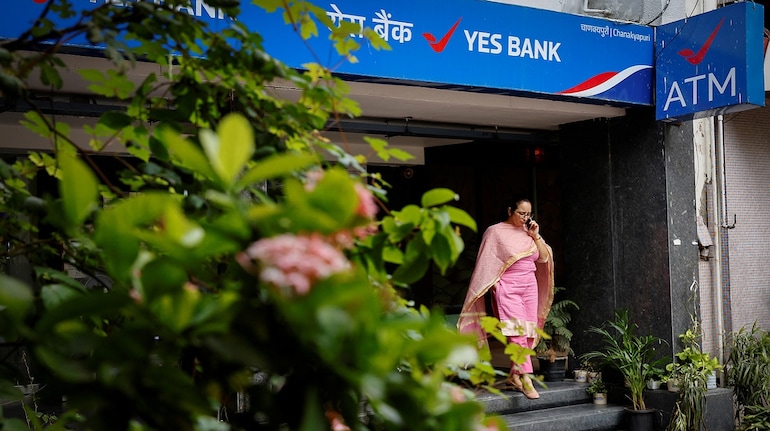
Yes Bank's Additional Tier 1 (AT1) bonds have returned to public attention following a recent ruling by the Supreme Court of India. The court upheld a previous decision that invalidated the ₹8,415-crore write-off of these bonds, implemented during the bank's rescue efforts in 2020. This verdict has reignited discussions on the risks associated with AT1 bonds and the implications for investor protection in the banking sector.
AT1 bonds are a type of high-yield debt that allows banks to bolster their capital base. They carry unique risks, as holders can see their investments wiped out in times of financial distress, as occurred with Yes Bank when it faced significant financial challenges in early 2020. The Supreme Court’s ruling has prompted many investors to seek clarity on the repayment of unpaid coupons, which are regular interest payments made to bondholders. Many AT1 bondholders who believed their investments had been effectively erased are now reconsidering their financial standing in light of this development.
The implications of this ruling extend beyond Yes Bank, casting a spotlight on the broader regulatory framework governing AT1 bonds. Observers are questioning how regulatory bodies manage and protect investor interests, particularly in instances where financial institutions launch aggressive capital strategies that place bondholders at risk.
This case draws parallels with other international instances involving AT1 bonds, notably the situation with Credit Suisse, which faced similar challenges, leading to contentious discussions around the world about the viability and safety of such financial instruments. With the Supreme Court's decision, it becomes crucial for both investors and issuers to re-evaluate the risk-reward balance of AT1 bonds amidst unfolding events.
Industry stakeholders are urging for more robust guidelines and clearer communication regarding the obligations of banks towards their bondholders. The Yes Bank ruling serves as a pivotal reminder for financial institutions to ensure transparency and honour commitments made to investors. The ongoing discourse will likely shape future policies surrounding AT1 bonds and similar financial instruments, impacting how banks manage their capital strategies in the face of potential economic instability.

Ceasefire Agreed in Oleshky Amid Ukraine's Humanitarian Crisis
Donald Trump Hints at US Interest in Cuba After Conflict in Iran

UK Court Rules Against India in RAKIA Investment Dispute

India Raises Concerns Over Chinese Border Patrolling Deviations