Ferritin Face: Online Trend Raises Questions About Iron Deficiency Signs


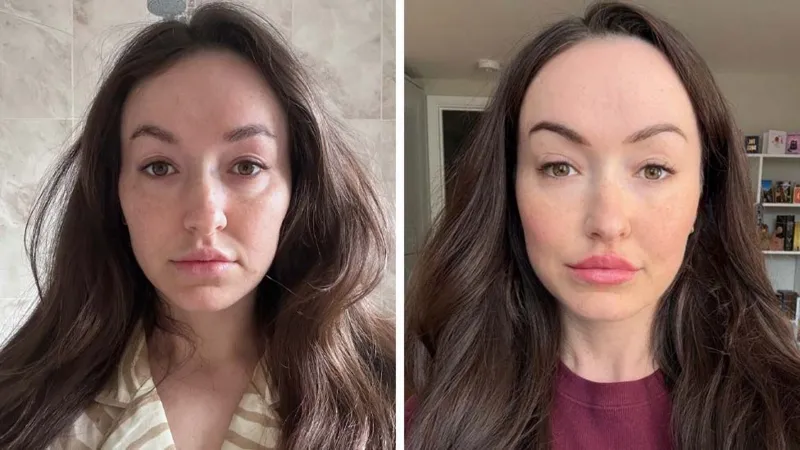
A new online phenomenon known as 'ferritin face' has emerged, with users on platforms such as TikTok and Instagram claiming that certain visible features may indicate low iron levels in the body. Proponents of the trend highlight characteristics such as pale skin, dark circles under the eyes, brittle nails, and dull hair as potential signs of iron deficiency.
The term 'ferritin face' has gained significant traction, with many videos garnering millions of views. However, medical professionals are urging caution regarding the identification of iron deficiency based solely on physical appearance. Dr Aziza Sesay, a general practitioner based in the West Midlands, emphasised, "Ferritin face is not a medical diagnosis. However, it may be a clue to tell us that something is going on."
Ferritin is a protein that stores iron in the body, and while low levels of this protein can be symptomatic of deficiency, other conditions can present similar signs. For instance, conditions such as dehydration, stress, or different nutritional deficiencies may also result in symptoms that overlap with those associated with low ferritin.
Dr Drew Provan, a consultant haematologist, explained that iron levels can drop before resulting in the state of anaemia, which is characterised by low haemoglobin levels in the blood. "You can have no stored iron but still maintain normal haemoglobin, creating a disconnect that complicates self-diagnosis," he added.
Currently, UK guidelines from the British Society of Gastroenterology suggest that a ferritin level below 15 micrograms per litre indicates absent iron stores. Levels below 30 micrograms typically signify low iron stores. These benchmarks reflect the seriousness of iron deficiency and the importance of proper diagnosis through blood tests rather than reliance on appearance.
Lucy M, a 32-year-old social media user, described how the trend resonated with her personal experiences. After developing symptoms such as heart palpitations and fatigue and receiving a diagnosis of generalised anxiety disorder, a subsequent test showed her ferritin level was critically low at 12 micrograms per litre. She stated, "I looked 'grey', and my hair had become dull and brittle. The difference in how I felt was 'night and day' once my levels improved."
Although many social media posts about 'ferritin face' encourage viewers to look out for physical symptoms, experts remind the public that these signs can often vary widely between individuals. Dr Sesay noted that individuals with darker skin tones may not exhibit the same visible changes, thus making it challenging to self-assess accurately.
Healthcare professionals agree that symptoms and patients' feelings are more valuable indicators of health than visual markers. Blood tests are crucial not only for confirming low iron levels but also for identifying underlying causes. Conditions such as heavy menstrual periods, inadequate dietary iron, gastrointestinal bleeding, and malabsorption of iron are common contributors to iron deficiency.
Oral iron supplements are frequently prescribed to address deficiency. Dr Sue Pavord, another consultant haematologist, recommended taking iron tablets on an empty stomach, preferably first thing in the morning, and advised avoiding tea or coffee at that time, as these can inhibit iron absorption. Dietary sources rich in iron include meat, beans, lentils, green leafy vegetables, and fortified cereals.
Taking iron supplements without a proper diagnosis can be harmful, and self-treatment may delay addressing significant underlying issues. Lucy expressed the sentiment that social media has empowered many women to question their health and advocate for themselves. "There are so many women saying, 'Oh my gosh, this is me,'" she said. Dr Sesay remarked that while social media can be a double-edged sword—encouraging individuals to seek medical assistance or incorrectly self-diagnose—it ultimately supports awareness.
Understanding when to seek help and ask pertinent questions about health is critical, and medical experts advocate for seeking a diagnostic test rather than relying solely on online trends. As this online trend continues to spread, both support and caution from healthcare professionals will play a vital role in educating the public about iron deficiency and its implications.

India Advocates for Veto Powers for All UN Security Council Members
Indian Defence Acquisition Council Approves Major Procurement Deals

Violence Erupts in Arunachal Pradesh Over Proposed Dam Project
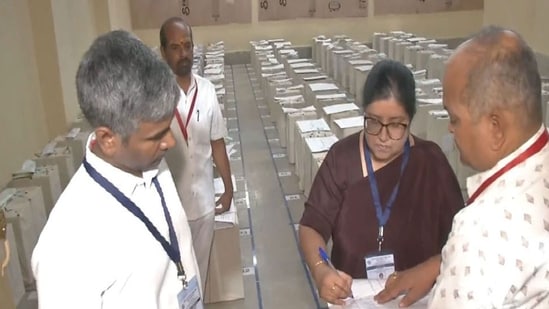
Six Uttar Pradesh Officials Suspended Over Election Irregularities